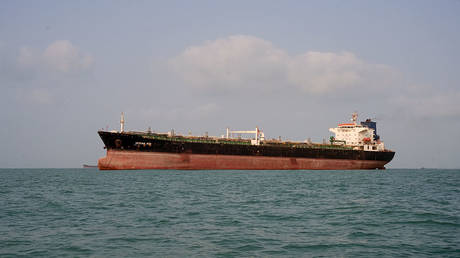
When Tehran declares that not a single drop of oil will leave the Persian Gulf if regional neighbors cooperate with American strategic plans, global energy markets shake. You cannot simply brush this off as routine political posturing. The ongoing confrontation around the Strait of Hormuz has transformed from a regional standoff into an existential threat to international commerce.
The Reality Behind the Oil Blockade
The Iranian Revolutionary Guard Corps made it crystal clear that any compliance with Washington's security frameworks will trigger an immediate and total freeze on hydrocarbon transit. We are looking at a complete chokehold on a waterway that handles a massive share of the world's daily petroleum consumption.
If you think alternative pipelines completely solve this problem, you are missing the scale of the bottleneck. Most regional producers rely heavily on maritime export routes through the strait. When tanker traffic drops near zero, spare capacity vanishes almost instantly.
- Tanker traffic through the strait faces severe disruptions.
- Insurance rates for commercial vessels operating in the Gulf have skyrocketed.
- Major Asian and European economies remain heavily exposed to these supply shocks.
Why Gulf States Are Caught in the Middle
Neighboring Arab nations find themselves in an impossible position. Washington expects cooperation on regional security, yet Tehran views that exact cooperation as a hostile act. Iranian officials have communicated blunt warnings to capitals like Riyadh and Doha: help enforce Western pressures, and local energy and water infrastructure becomes a target.
Saudi Arabia and Qatar are desperately pushing for renewed diplomatic channels instead of military escalation. They know their desalination plants, refineries, and export terminals sit directly in the crosshairs of retaliatory drone and missile strikes.
The Economic Fallout You Can't Ignore
Markets hate uncertainty more than bad news. Brent crude prices already experienced historic volatility following initial air campaigns and subsequent maritime blockades. Energy traders aren't just pricing in current supply losses; they are pricing in the terrifying probability of a prolonged, unresolvable maritime siege.
Refiners in China and other major importing nations are scrambling to secure non-Middle Eastern grades, driving up competition and costs globally. Even when cargo volumes clear the blockade, the logistical delays eat into profit margins and trickle down to consumer fuel pumps.
What Comes Next for Global Energy Security
Governments are running out of easy diplomatic off-ramps. The hardline factions within Tehran believe that inflicting economic pain globally is their best leverage against superior military force. Meanwhile, Western strategists are trying to secure naval escorts that can withstand asymmetric swarm tactics and sea mines.
Keep a close eye on bilateral talks mediated by Oman and Qatar rather than official public declarations. Real policy shifts happen behind closed doors when the cost of inaction becomes too high for all parties involved. Diversify your energy sourcing assumptions now, because the vulnerability of global supply chains has just been brutally exposed.
Iran warns the US: not “a single liter of oil” will leave the Persian Gulf
This video provides direct news coverage and footage regarding Iran's official statements and warnings concerning oil transit through the Persian Gulf.
http://googleusercontent.com/youtube_content/1