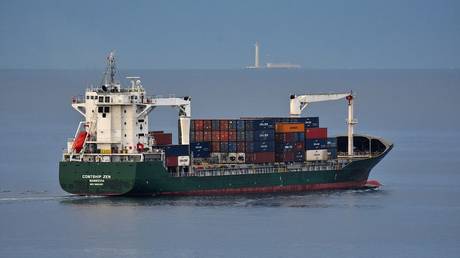
Geopolitics rarely moves in straight lines, but a single shipping lane can dictate global economic panic overnight. Right now, the vital maritime passage that carries a fifth of global energy shipments sits at the center of a high-stakes chess match. If you've been watching oil futures drop from recent peaks, you know markets are reacting to fresh diplomatic signals. Tehran just floated a concrete proposal on the world stage. They want to untangle the seven-month standoff.
The core question driving every energy trader and policymaker is simple: Can diplomacy actually reopen the Strait of Hormuz before winter energy crunches hit? The answer depends entirely on whether Washington and Tehran can break a paralyzing stalemate over who moves first.
Breaking Down the Seven Day Proposal
Here is what is actually on the table. Iranian officials communicating through Qatari intermediaries laid out a phased roadmap during the United Nations General Assembly in New York. The terms are surprisingly explicit. Iran claims it can fully clear and reopen the strategic waterway within seven days.
The catch? It requires immediate reciprocal actions from the United States.
- Lifting the Naval Blockade: Washington must ease military pressure and roll back economic restrictions choking Iranian ports.
- Resuming Nuclear Dialogues: Both sides would immediately jump back into comprehensive talks regarding Tehran's atomic program.
- Phased De-escalation: Neither side wants to surrender its primary point of leverage first, making a synchronized schedule mandatory.
Traffic through the corridor has languished at a fraction of pre-war levels, forcing global supply chains to adapt through painful alternatives. Tanker tracking data confirms that throughput plummeted significantly from historical baselines as the U.S. Navy and Iranian forces engaged in a severe dual-blockade scenario earlier this year.
What Washington and Tehran Get Wrong
Most mainstream commentary treats this as a straightforward binary choice of peace versus war. It isn't. Both administrations face intense domestic pressures that complicate straightforward compromises.
President Donald Trump noted after a three-hour meeting with envoys that momentum is building toward a potential deal, hinting that an agreement might crystallize following domestic midterm elections. Yet, hardliners inside Iran's parliament continue to push opposing measures, approving steep fines for unauthorized commercial vessels transiting the region.
You have to look past the fiery rhetoric coming from podiums. While Trump threatens severe economic isolation or military retaliation if a comprehensive framework isn't reached, backchannel discussions mediated by international partners show a genuine appetite for a phased off-ramp.
Why This Matters For Your Portfolio and Energy Costs
Global markets hate uncertainty more than bad news. When Brent crude fluctuates near the upper double digits, every consumer feels the pinch at the fuel pump.
If this seven-day reopening plan materializes, expect an immediate correction in energy commodities. Insurance premiums for commercial shipping in the Persian Gulf, which spiked multiple times over baseline rates during the peak of the conflict, would finally stabilize.
Pay attention to how mediators handle the sequencing of these demands over the coming week. Watch the actual transit volumes reported by independent shipping agencies rather than official press releases.
Take immediate steps to hedge against volatile shipping and energy costs in your supply chain if you operate internationally. Do not wait for a formal treaty announcement to adjust your operational exposure.