Sanctions sound terrifying on paper, but reality often tells a very different story. When the United States treasury rolls out heavy economic restrictions, the assumption is that the targeted nation will watch its financial system collapse. Yet, reality proves stubborn. Iran's Persian Gulf Petrochemical Industries Group recently pulled in a staggering ten billion dollars through oil and petrochemical exports over a two-year span, completely bypassing the ironclad walls built by Washington.
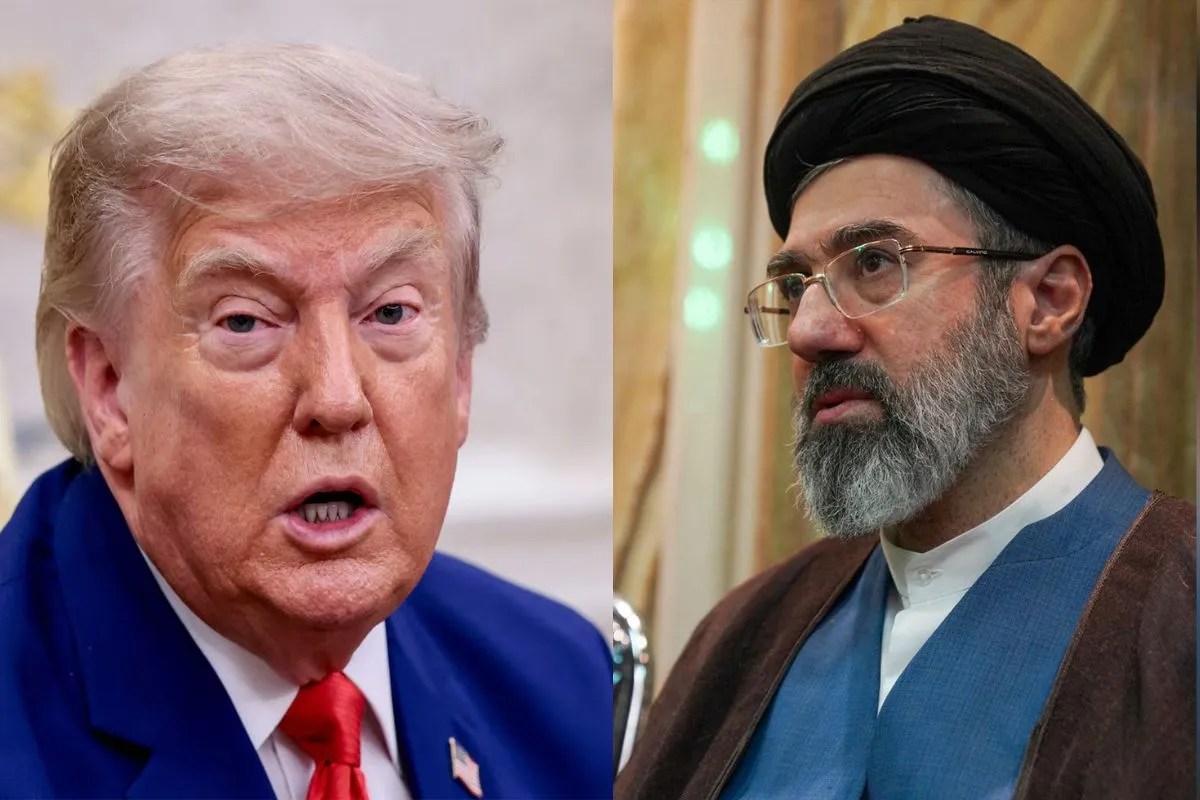
If you think sweeping economic bans stop global trade, you haven't been paying attention to how modern shadow economies operate. Donald Trump's "maximum pressure" campaign aimed to choke off Tehran's revenue by targeting the very lifelines of its economy. Instead, major state-backed entities found creative workarounds, keeping their cash registers ringing while defying global superpowers.
Inside the Mechanism of Financial Defiance
How does a sanctioned corporate titan rake in billions without triggering immediate blockades? It comes down to a deeply entrenched network of shadow tankers, alternative banking channels, and high-demand energy markets that care more about cheap fuel than western foreign policy.
The Persian Gulf Petrochemical Industries Group, better known as PGPIG, didn't just survive the restrictions; it scaled its operations. Official corporate filings point to a massive net profit jump reaching hundreds of millions of dollars, alongside a surge in total output. When you look at the numbers, production didn't slow down during maritime blockades or heightened regional tensions. It ramped up.
The revenue didn't vanish into thin air, either. Over the two-year period, massive chunks of export earnings made their way back through domestic banking networks. Western officials often point to these companies as financial conduits for the Islamic Revolutionary Guard Corps, linking corporate balance sheets directly to military and nuclear funding. That exact connection is why Washington slapped sweeping restrictions on PGPIG back in 2019. But enforcement is messy, and a piece of paper signed in Washington doesn't control every port, tanker, or buyer on the planet.
Why Maximum Pressure Fails Against Resource Wealth
The core flaw in modern sanctions strategies is simple: energy hunger overrides geopolitical compliance. Energy markets operate on supply and demand, not moral alignment. When a major producer sits on vast oil and gas reserves, buyers facing global inflation or energy shortages will quietly find alternative routes to secure supply.
Shadow fleets turn off transponders, ship-to-ship transfers happen in the dead of night, and transactions shift away from the US dollar. By moving money through regional financial hubs that maintain friendly ties with Tehran, companies avoid traditional SWIFT banking channels where western regulators hold absolute veto power.
You're dealing with a system built out of sheer survival instinct. When a nation faces isolation for decades, it develops an immune system against trade restrictions. Every new round of penalties merely forces these enterprises to innovate faster, building tighter supply chains that are harder to track and nearly impossible to dismantle entirely.
What This Means for Global Energy Politics
The takeaway here isn't just about one company dodging restrictions. It exposes the widening cracks in unilateral economic statecraft. When superpowers rely solely on financial bans without securing global compliance, the policy loses its teeth.
As long as Asian and Middle Eastern markets need petrochemical products and crude, companies like PGPIG will find willing buyers. The ten-billion-dollar milestone proves that economic blockades leak like sieves if you know where to look and who to trade with. Stop expecting sanctions to act as magic bullets. In the real world, trade finds a way.