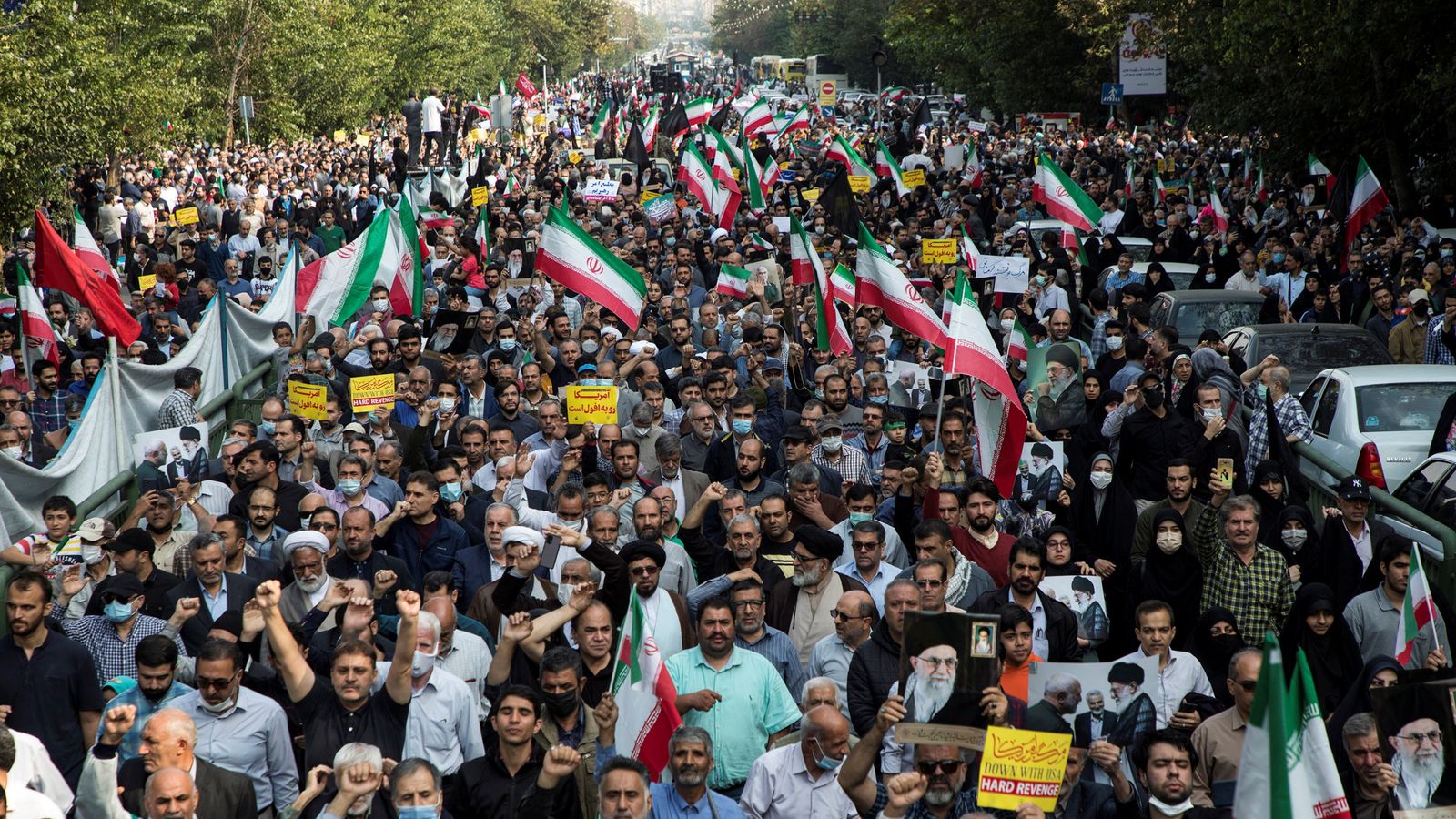
Iran wants to tax the very lifeblood of global energy shipping. The latest proposal coming out of Tehran outlines an aggressive move to collect billions from commercial vessels navigating the Strait of Hormuz. It sounds wild because it is. For decades, this narrow strip of water has operated under strict international maritime laws that guarantee free passage. If Iran pushes through with this toll plan, it will fundamentally rewrite the rules of global commerce and send shockwaves through energy markets.
Let's look at the raw mechanics of what is happening. This is not just a minor regulatory fee or a routine port tariff. We are talking about a massive geopolitical gamble designed to capitalize on one of the world's most critical choke points. Roughly a fifth of the world's petroleum passes through this exact waterway every single day. If you control the gate, you control the price of keeping the lights on in major economies across Asia and Europe.
The immediate justification from Iranian officials frames this as a necessary measure to cover security costs and environmental monitoring. They argue that commercial shipping creates immense ecological strain on their coastal waters. They also claim their naval forces shoulder the financial burden of keeping the area safe from piracy and conflict. But regional analysts see right through that narrative. This is about leverage, pure and simple. Tehran is feeling the squeeze of long-term economic isolation, and capitalizing on its geography is the fastest way to generate hard currency while forcing the international community to the negotiating table.
Why the Strait of Hormuz Shipping Toll Changes Everything
The economic math behind this initiative is staggering. Initial estimates floating around legislative circles suggest the framework aims to extract substantial revenue from the thousands of tankers passing through yearly. Think about the scale here. We are talking about supertankers carrying millions of barrels of crude oil from Saudi Arabia, Iraq, the United Arab Emirates, and Kuwait. Throw in Qatar's massive liquefied natural gas fleets, and the financial scale becomes clear.
Strait of Hormuz Daily Traffic Share:
- Global Crude Oil via Maritime Routes: ~20%
- Global Liquefied Natural Gas (LNG): ~25%
Shippers operate on razor-thin margins where a delay of a few hours can destroy profitability. If Iran introduces a mandatory checkpoint or electronic tolling system backed by naval enforcement, it creates an instant logistical bottleneck. Captains will face a brutal choice. They can pay a steep, legally dubious fee or risk interception by the Islamic Revolutionary Guard Corps Navy.
We have seen what happens when tensions spike in these waters. Insurance premiums do not just tick upward. They skyrocket overnight. During previous periods of instability, war-risk insurance premiums for vessels entering the Persian Gulf multiplied by a factor of ten within weeks. A formalized toll system enforced by military presence would permanently bake these elevated costs into every single barrel of oil shipped out of the region. Consumers at the pump in Tokyo, New Delhi, and London will ultimately pay the bill.
The Legal Reality Behind Maritime Transit Rights
This is where the entire proposal hits a massive legal wall. Maritime traffic through the strait is governed by international frameworks, specifically the 1982 United Nations Convention on the Law of the Sea. Under these rules, ships enjoy the right of transit passage. This means as long as a vessel is moving continuously and expeditiously, coastal states cannot impede, suspend, or tax their journey.
Iran signed this convention but never formally ratified it. Because of that, Tehran often argues it is not bound by the specific transit passage clauses. Instead, they look toward older customary laws that grant them more authority over their territorial waters. The strait is incredibly narrow. At its tightest point, the shipping lanes lie entirely within the territorial waters of Iran and Oman.
Geographic Dimensions of the Choke Point:
- Total Width at Narrowest Point: 21 nautical miles
- Width of Shipping Lanes: 2 nautical miles wide in each direction
- Buffer Zone: 2 nautical miles separating the lanes
Because the deep-water channels suitable for supertankers sit right inside these territorial zones, Iran believes it has a legitimate right to regulate the traffic. International maritime experts strongly disagree. The global community views the strait as an international highway that cannot be blocked or monetized by any single nation. If Tehran tries to force compliance, it sets up a direct legal and potentially military showdown with major naval powers like the United States and its allies, who routinely deploy warships to guarantee the freedom of navigation.
How Shippers and Insurance Markets Will React
If you talk to anyone running a major shipping fleet, they will tell you uncertainty is the ultimate profit killer. The mere discussion of an Iranian toll creates immediate corporate headaches. Marine underwriters are already recalculating risk models for the remainder of the year.
When a nation threatens to enforce a toll unilaterally, the risk profile changes from a static environmental factor to an active operational threat. Shipping companies cannot just absorb these fees. They will have to pass them down the supply chain. This means maritime freight rates will climb globally, not just for oil tankers, but for the container ships carrying consumer electronics, vehicles, and industrial machinery through the region.
Many global operators will look for ways to bypass the strait entirely, though options are incredibly limited. Saudi Arabia has pipelines that can transport crude westward toward the Red Sea, bypassing the choke point completely. The United Arab Emirates also operates a pipeline running to the port of Fujairah on the Gulf of Oman. But these pipelines have capacity limits. They simply cannot handle the sheer volume of oil that currently relies on maritime transit through the gate. Bypassing the strait completely is a logistical impossibility for the current global energy infrastructure.
What This Means for Global Energy Security
The timing of this proposal could not be worse for global markets. Energy supply chains are already stretched tight by ongoing geopolitical fragmentation across Eastern Europe and the Middle East. Major Asian economies are particularly vulnerable to any disruptions here. Nations like Japan, South Korea, and China rely on the Persian Gulf for the vast majority of their crude imports.
A permanent toll or the resulting military friction would force these nations to look elsewhere for energy security. We would likely see an accelerated push toward alternative suppliers in West Africa, the Americas, and Central Asia. The strategic value of alternative shipping routes, like the Northern Sea Route across the Arctic, might see renewed interest from non-Western states looking to insulate themselves from Middle Eastern volatility.
Primary Asian Reliance on Persian Gulf Energy:
- Japan: Over 90% of crude imports
- South Korea: Over 65% of crude imports
- China: Over 40% of crude imports
This structural shift would take years to materialize. In the short term, any attempt to collect fees by force would trigger immediate retaliatory measures. We could see convoy systems where international warships escort commercial tankers through the strait, effectively daring Iranian forces to intervene. This creates a volatile environment where a single miscalculation by a ship captain or a coastal missile battery could spark an international conflict.
Actionable Steps for Global Supply Chain Managers
If you are managing logistics or supply chains that touch Middle Eastern energy or freight routes, you cannot afford to wait and see how this political theater plays out. The threat alone is enough to distort market pricing. You need to insulate your operations immediately.
First, audit your freight contracts. Ensure your agreements have explicit, well-defined clauses covering unexpected maritime tolls, war-risk surcharges, and forced rerouting. You do not want to get stuck holding the bill if an ocean carrier suddenly slaps a massive geopolitical risk premium on your shipment mid-transit.
Second, diversify your sourcing points. If your business depends heavily on petroleum derivatives or plastics manufactured in the Gulf region, start building relationships with suppliers based in North America or Southeast Asia. Having alternative vendors vetted and ready to scale production will save your bottom line if shipping lanes become congested or economically unviable.
Third, increase your inventory buffers for critical materials. The old model of just-in-time logistics is dangerous in an era of weaponized choke points. Holding an extra three to four weeks of raw materials might increase your storage costs slightly, but it protects you from a total production shutdown if a shipping crisis erupts.
Monitor the situation closely by tracking marine insurance rate adjustments rather than mainstream news headlines. Insurance companies are the real barometers of risk. When underwriters start rewriting policy terms for the Persian Gulf, you know the threat is moving from political rhetoric to operational reality.