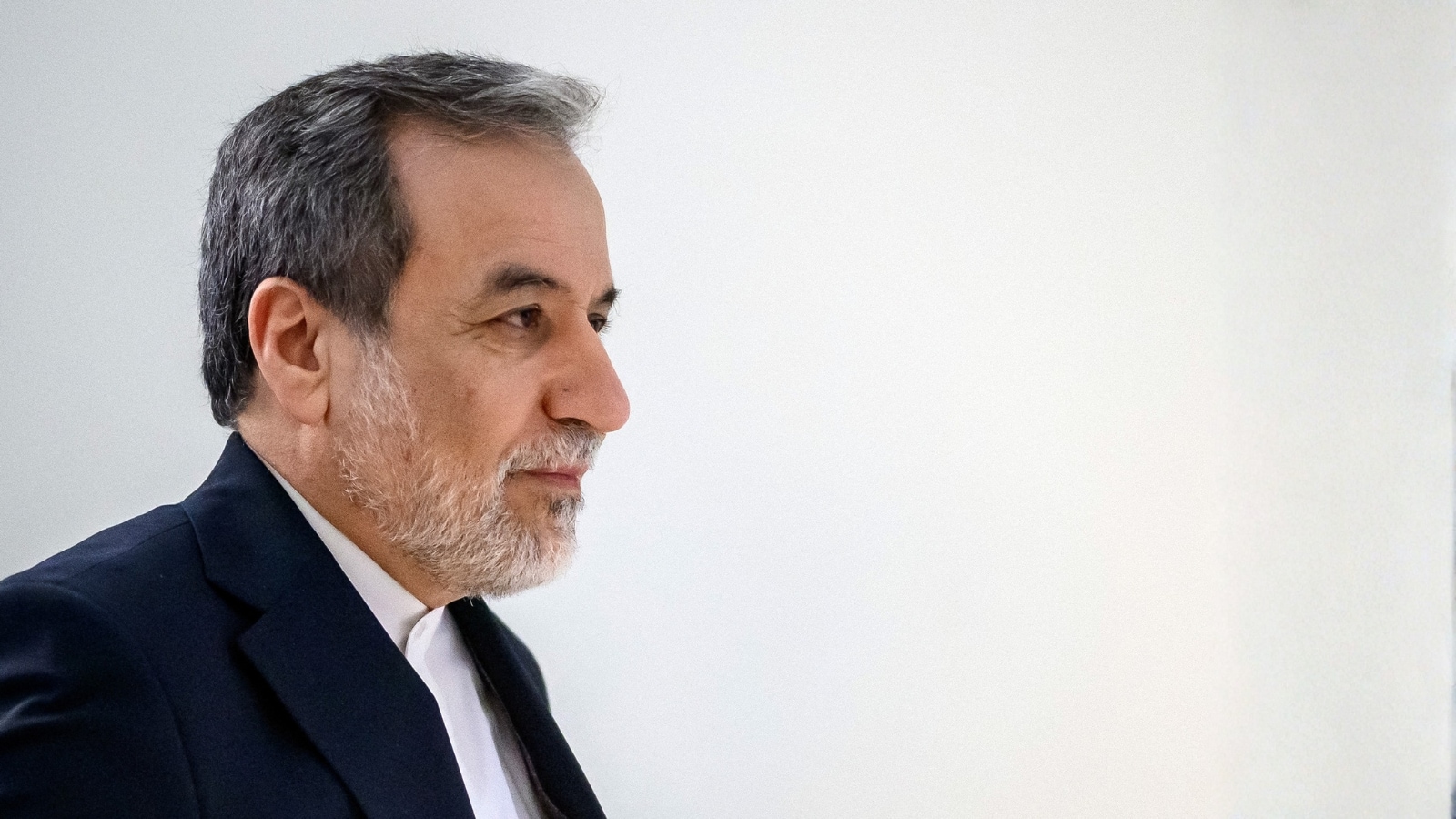
Iranian Foreign Minister Abbas Araghchi touched down in Beijing for high-stakes talks with his Chinese counterpart Wang Yi, and the timing isn't accidental. With the Strait of Hormuz effectively locked down and energy markets sweating through a severe crisis, Tehran is trying to anchor its diplomatic footing before major superpower summits take center stage.
If you want to understand why this matters, you have to look past the standard diplomatic handshakes. This is a calculated scramble for leverage. Discover more on a connected subject: this related article.
The Core Message From Beijing
Wang Yi didn't mince words during the meeting. China wants Washington and Tehran to back away from the ledge, urging both sides to return to the Islamabad Memorandum of Understanding. Beijing's stance is pragmatic. They buy the bulk of Iran's oil, meaning a prolonged closure of vital maritime lanes hits China's economy just as hard as anyone else's.
Araghchi came bearing a specific signal. He stated publicly that Iran has no appetite to keep dragging out the conflict with the United States and is looking for a path back to diplomatic channels. At the same time, Tehran insists it is ready to defend its sovereignty. Additional analysis by Wikipedia explores comparable perspectives on this issue.
You see the tightrope walk here. Iran wants relief from economic pressure, but they refuse to look weak.
The Strait of Hormuz Bottleneck
The real elephant in the room is the Strait of Hormuz. Energy transit through the corridor has stalled, sending shockwaves through global markets. Araghchi briefed Beijing on discussions with Oman regarding potential arrangements to reopen the crucial shipping lane.
China is pushing hard for a resolution on this front. Beijing cannot afford prolonged instability in energy supply chains, nor do they want the regional conflict to spill over further into Yemen and the Red Sea. Wang Yi warned against widening the theatre of war, calling on all regional players to exercise absolute restraint.
Setting the Table for Xi and Trump
This visit serves another major purpose. Chinese President Xi Jinping is heading to Washington to sit down with US President Donald Trump. Iran will be near the top of the agenda.
Araghchi's trip to Beijing is classic last-minute alignment. Tehran wants to ensure that its positions, security concerns, and economic survival tactics are baked into Beijing's calculus before Xi meets with Trump. Washington has tried hard to choke off Iran's financial lifelines and pressure its trade partners, but China's support remains an immovable pillar for Tehran.
Expect the next few weeks to dictate whether diplomacy actually takes hold or if the region slips deeper into logistical gridlock. Watch the shipping lanes, because they'll tell you the truth long before any joint statement does.


