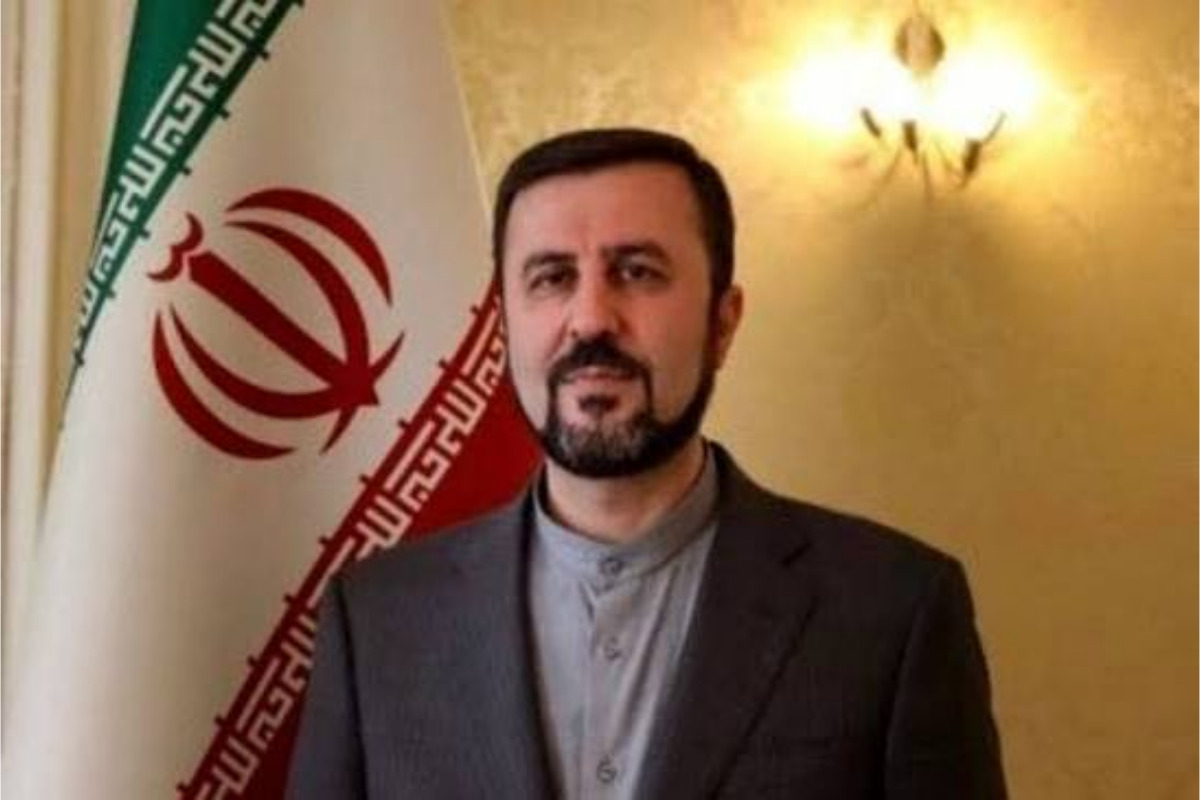
Tehran has drawn a hard line. Iranian Deputy Foreign Minister Kazem Gharibabadi made it clear that Iran has no plans to negotiate with the US, pushing back against Washington's narrative on recent regional tensions.
If you're trying to figure out what's really happening behind the scenes of Middle Eastern diplomacy, you have to look past the usual public posturing. Washington claims Tehran asked for a pause, while Iranian officials insist it was the US that sent messages pleading for an end to the conflict. This isn't just standard political theater. It's a fundamental clash over who gets to dictate the terms of engagement. If you found value in this article, you might want to look at: this related article.
The Reality Behind the Standoff
Gharibabadi didn't mince words during his state TV interview. He pointed out a core frustration in Tehran. Why should America get to pick fights whenever it wants and then demand a seat at the negotiating table on its own timeline?
"We should not get America used to fighting whenever it wants and sitting at the negotiating table whenever it wants," Gharibabadi stated. For another look on this story, refer to the recent update from Al Jazeera.
💡 You might also like: san diego muslim prayer
This stance comes directly on the heels of statements from US President Donald Trump, who claimed that Washington paused its recent military strikes because Tehran asked for a halt. Iranian leadership rejects that version of events entirely. They argue that Washington's pressure campaigns failed to break their resolve, leaving open channels only through intermediaries like Oman rather than direct bilateral talks.
Why Dialogue Remains Stalled
Direct diplomacy between Washington and Tehran has always walked a tightrope, but the current breakdown runs deeper than usual. Several factors explain why Iranian officials refuse to jump into new talks:
- Distrust over past commitments: Tehran points to historical withdrawals from agreements and heavy economic pressure, arguing that future concessions mean nothing without guaranteed enforcement.
- Strategic maritime control: Iran maintains strict positions regarding regional waterways like the Strait of Hormuz, asserting that local defense capabilities are non-negotiable.
- Domestic political messaging: Hardline factions within Iran want to project total independence, making any move toward direct talks with Washington politically toxic.
What Happens Next
While high-level direct talks are off the table, back-channel discussions via regional mediators continue on specific technical matters. Oman is still facilitating step-by-step communication regarding transit corridors and localized de-escalation.
Don't expect a sudden breakthrough. Tehran's current strategy relies on maintaining pressure and refusing to give Washington a quick diplomatic win. Until both sides find a way to bridge the massive gap in their narratives, expect more friction than compromise.