When an administration starts calling for absolute domestic unity while its currency hits rock bottom, you know the pressure cooker is about to blow. Iranian President Masoud Pezeshkian finds himself trapped in a tightening vise. Washington has unleashed what it calls an "Economic D-Day" sanctions regime, designed to choke off every remaining financial lifeline supporting Tehran and the Islamic Revolutionary Guard Corps.
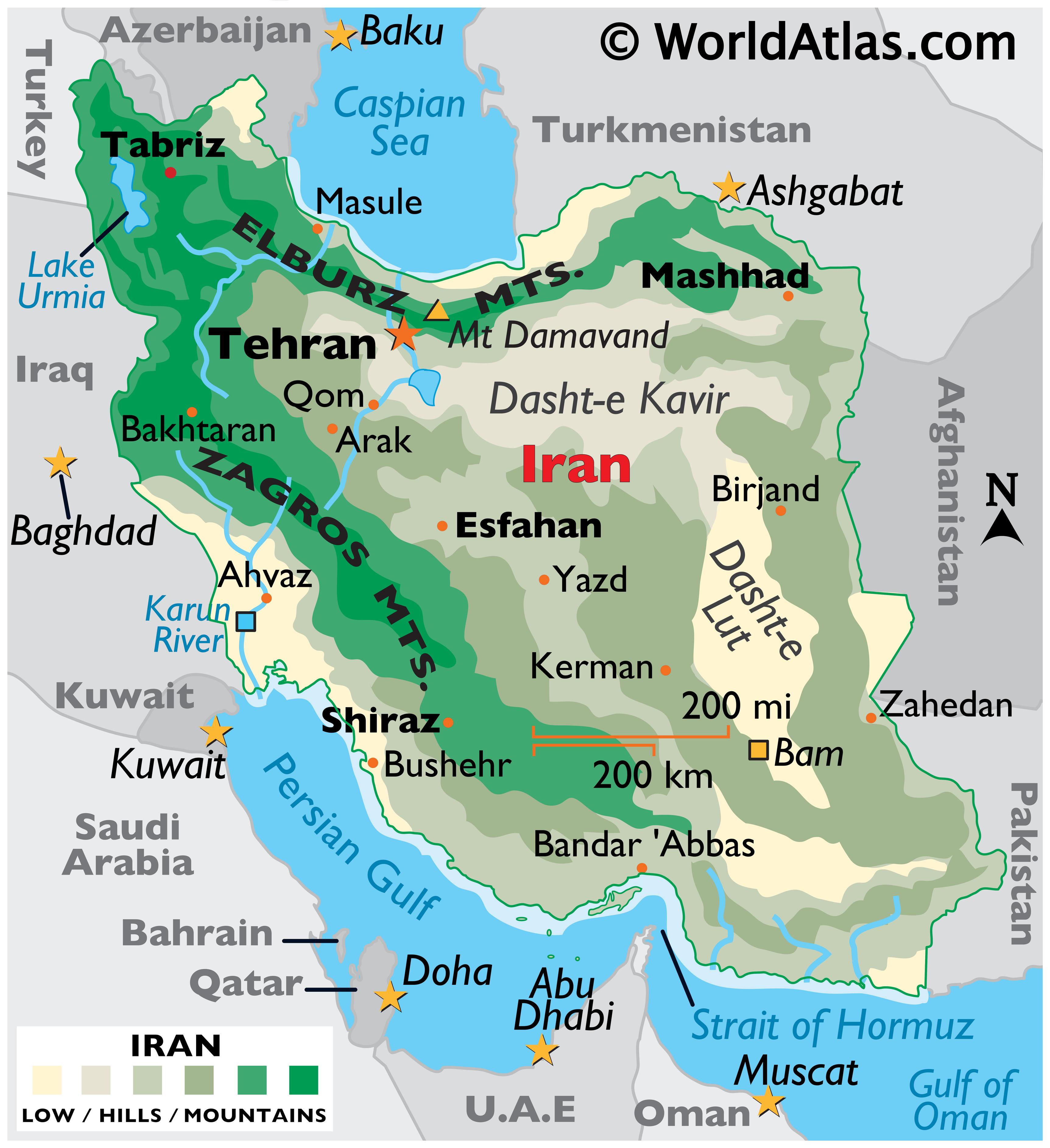
If you look past the standard political rhetoric coming out of Tehran, the raw numbers tell a brutal story. Iran's national currency recently crashed to a historic low of over 2.25 million rials per US dollar. At the same time, the US military has stepped up kinetic operations, blockading crude exports and hitting oil tankers near Kharg Island. Pezeshkian isn't just dealing with foreign adversaries. He's trying to keep a lid on a domestic population crushed by rampant inflation, soaring energy costs, and a looming threat of widespread public unrest.
The Crunch Point Inside Iran
Why is President Pezeshkian pushing so hard for national cohesion? Honestly, he doesn't have many options left. When economic sanctions bite this hard, ordinary citizens feel it immediately at the grocery store and the fuel pump.
Tehran faces severe energy shortages driven by chronic infrastructure neglect, rampant fuel smuggling, and gas-guzzling domestic vehicles. To counter this, the government has moved forward with controversial policy shifts, including adjusting petrol prices and quotas. But any adjustment to fuel costs risks triggering the exact kind of explosive street protests that shook the country in previous years.
The state apparatus is sweating. Judiciary chief Gholam-Hossein Mohseni-Ejei and police commanders have openly warned that security forces will crack down hard on anyone attempting to turn economic grievances into security threats. Intelligence directorates within the IRGC claim foreign intelligence agencies are actively engineering internal discord. Whether you buy that narrative or see it as a convenient scapegoat for local policy failures, the reality on the street remains tense. Citizens are caught between an aggressive naval blockade by Washington and a government struggling to stabilize basic living standards.
What Washington's Economic D-Day Actually Means
Let's be clear about what the United States is attempting here. Washington's strategy relies on maximum economic isolation. By tightening the naval blockade around southern Iranian ports and targeting petroleum logistics, the goal is simple: starve the state of hard currency.
Yet, history shows that sweeping sanctions rarely force regime collapse overnight. Instead, they usually squeeze the middle class and working families into a corner. Pezeshkian's administration claims it remains open to reviving aspects of previous diplomatic understandings—such as an unraveled memorandum of understanding once discussed with Washington—provided the US honors its commitments first. But trust between the two capitals is practically non-existent. Every time diplomats hint at back-channel talks, a fresh military strike in the Strait of Hormuz or a tanker incident resets the board to zero.
Navigating the Fallout
If you are tracking where this crisis goes next, keep your eyes on a few specific indicators rather than empty threats.
- Currency Black Market Rates: Watch how far past 2.25 million rials per dollar the open market slides. Currency free-falls are the fastest triggers for merchant strikes in Tehran's Grand Bazaar.
- Energy Policy Rollouts: Pay attention to how the Iranian public absorbs upcoming petrol price adjustments. Fuel hikes have historically served as the spark for wider anti-government mobilization.
- Regional Proxy and Shipping Friction: Monitor activity around Kharg Island and the Strait of Hormuz. Any direct escalation involving commercial shipping instantly prices more risk into global oil markets.
Pezeshkian wants his people to believe that unity can neutralize foreign bombs and blockades. But slogans won't lower inflation or fill empty gas tanks. As the standoff with Washington drags on, the real test won't be how loudly Tehran calls for solidarity, but whether the state can keep its economy from flatlining completely.

:max_bytes(150000):strip_icc():focal(749x0:751x2)/lindsay-lohan-necklace-tout-1-030624-21527f0fffb74b09b15dfdbc45d071ea.jpg)