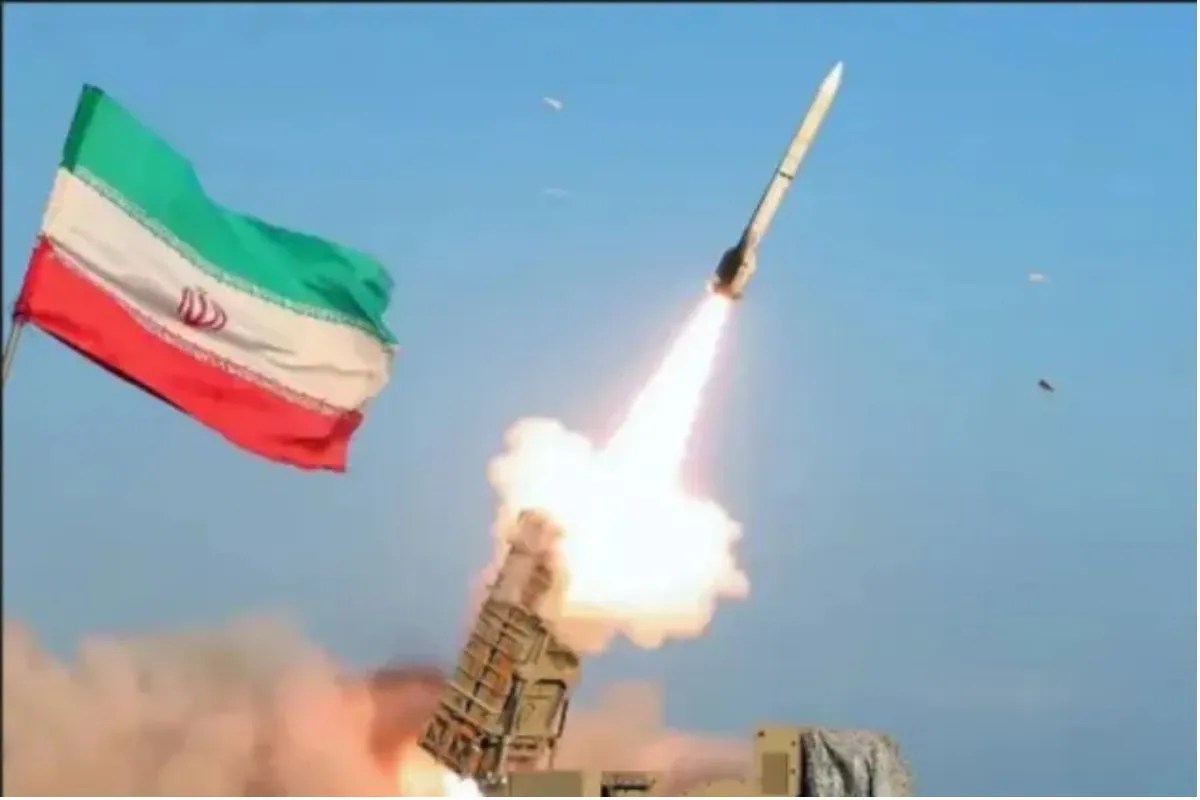
Things are breaking down fast in the Persian Gulf. Missiles and drones hit Kuwait. Air defense systems fired up in response. If you think this is just another regional skirmish, you're missing the bigger picture.
The tension between Washington and Tehran just spilled over into neighboring states in a massive way. Let's look at what's actually happening on the ground and why this crisis is turning into a regional nightmare.
The Strike on Kuwait and Air Defense Chaos
When air defense systems start lighting up the night sky over Kuwait, daily life stops instantly. Citizens reported hearing heavy explosions across the country. Those loud booms weren't enemy warheads hitting their targets directly. They were interceptors. Kuwaiti military forces quickly confirmed that their defense shields intercepted incoming hostile projectiles.
Reports indicate that Iranian assets targeted American military infrastructure situated inside Kuwait. Tehran's state-linked agencies signaled that US facilities were the primary objective. Yet, direct official confirmation from Iranian leadership remains guarded, and Washington has stayed surprisingly quiet on the immediate aftermath of these specific strikes.
Kuwaiti authorities took to social media to manage panic. They urged everyone to stay indoors and follow safety protocols strictly. When air defense systems activate like this, falling debris becomes a massive hazard for civilians on the ground.
The Wider Middle East Chessboard
This isn't happening in a vacuum. Just before these drones flew toward Kuwait, US military strikes inside Iran left 18 people dead, including women and children. Ministry spokespersons in Iran released numbers showing over a hundred wounded civilians, creating deep public outrage.
The United Nations didn't stay silent. UN Secretary-General António Guterres openly condemned the civilian casualties and warned that a full-blown cycle of retaliation is spinning out of control. Nobody wants an open regional war, but both sides keep pushing the gas pedal.
Meanwhile, shipping lanes are turning into flashpoints.
The Chokepoint Crisis in the Strait of Hormuz
You can't talk about Gulf security without talking about trade routes. The Strait of Hormuz is the world's most critical oil bottleneck. Right now, it's turning into a zone of hostility.
Iran recently blacklisted numerous commercial ships, choking maritime movement. Australia's defense leadership blasted these moves publicly, stating that restricting navigation violates basic international maritime laws. When commercial shipping gets dragged into a geopolitical crossfire, global supply chains feel the shock immediately. Energy markets hate uncertainty, and the current situation is pure chaos.
What Happens Next in the Gulf
Escalation feeds on itself. Once air defenses start firing, diplomatic off-ramps disappear quickly. Governments across the region are scrambling to protect their airspace while trying to avoid becoming a secondary battlefield for a larger US-Iran showdown.
If you're watching global markets or international security, keep your eyes on the maritime chokepoints and border alerts. This crisis isn't winding down anytime soon. Stay updated through verified regional reports and prepare for ongoing supply chain volatility.