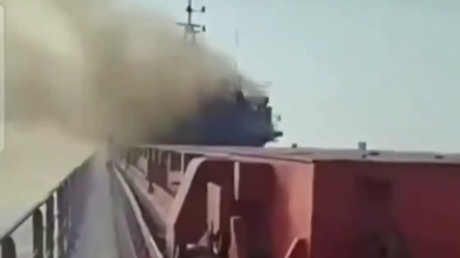
Geopolitical lines just blurred in the Caspian Sea, and Tehran wants answers. When a long-range Ukrainian drone strike hit an Iranian commercial vessel, killing a sailor, it triggered a high-stakes diplomatic standoff. Iranian Foreign Minister Abbas Araghchi didn't mince words. He made it clear that while Tehran isn't looking for a wider war, the attack on its citizen and property demands immediate restitution.
Most coverage treats this as a random flare-up. It is actually a dangerous collision of two separate conflicts bleeding into unexpected waters.
The Caspian Sea Incident Explained
The friction started when Ukrainian forces executed long-range drone operations targeting logistics routes. President Volodymyr Zelenskyy openly acknowledged these strikes, pointing to vessels moving military cargo through the Caspian corridor. Kyiv maintains that these transport channels directly fuel Russian military operations.
However, hitting a commercial ship flying the Iranian flag changed the math overnight. One Iranian sailor died in the blast, turning what Kyiv viewed as a routine counter-supply strike into a fatal cross-border incident. Tehran responded with immediate outrage, labeling the move unacceptable and threatening retaliation before cooler heads stepped in for emergency backchannel talks.
Behind the Closed Doors of Diplomacy
A high-stakes phone call between Araghchi and Ukrainian Foreign Minister Andrii Sybiha pulled the situation back from the brink of open confrontation.
According to public readouts, Sybiha walked back the aggressive rhetoric. He assured Tehran that the hit on the commercial vessel was entirely unintentional. Kyiv insisted its targets are strictly military and tied directly to Russian aggression. At the same time, Sybiha used the conversation to pressure Iran, demanding that Tehran halt all military support for Moscow's war effort.
Araghchi's response drew a hard boundary. He accepted that Kyiv claimed the strike was an accident, but he refused to let the loss of life slide. His message on social media was direct: any attack on Iranian citizens or interests remains unacceptable, and financial and political restitution must follow.
What Happens Next
The immediate threat of retaliation has faded, but the underlying tension is here to stay. Ukraine is fighting an existential war and views foreign supply lines through Iran as fair game, regardless of geographic boundaries like the Caspian basin. Meanwhile, Iran has to project strength to protect its merchant marine and regional prestige.
Expect quiet negotiations over compensation behind closed doors. Neither government wants a direct military confrontation, but the margin for error in this war is shrinking by the day.