Power handovers in politics usually feel like polite theater. Old leaders pass binders to new ones while cameras flash. But the recent transition meeting in Quebec City carried a weight that goes far beyond routine bureaucracy.
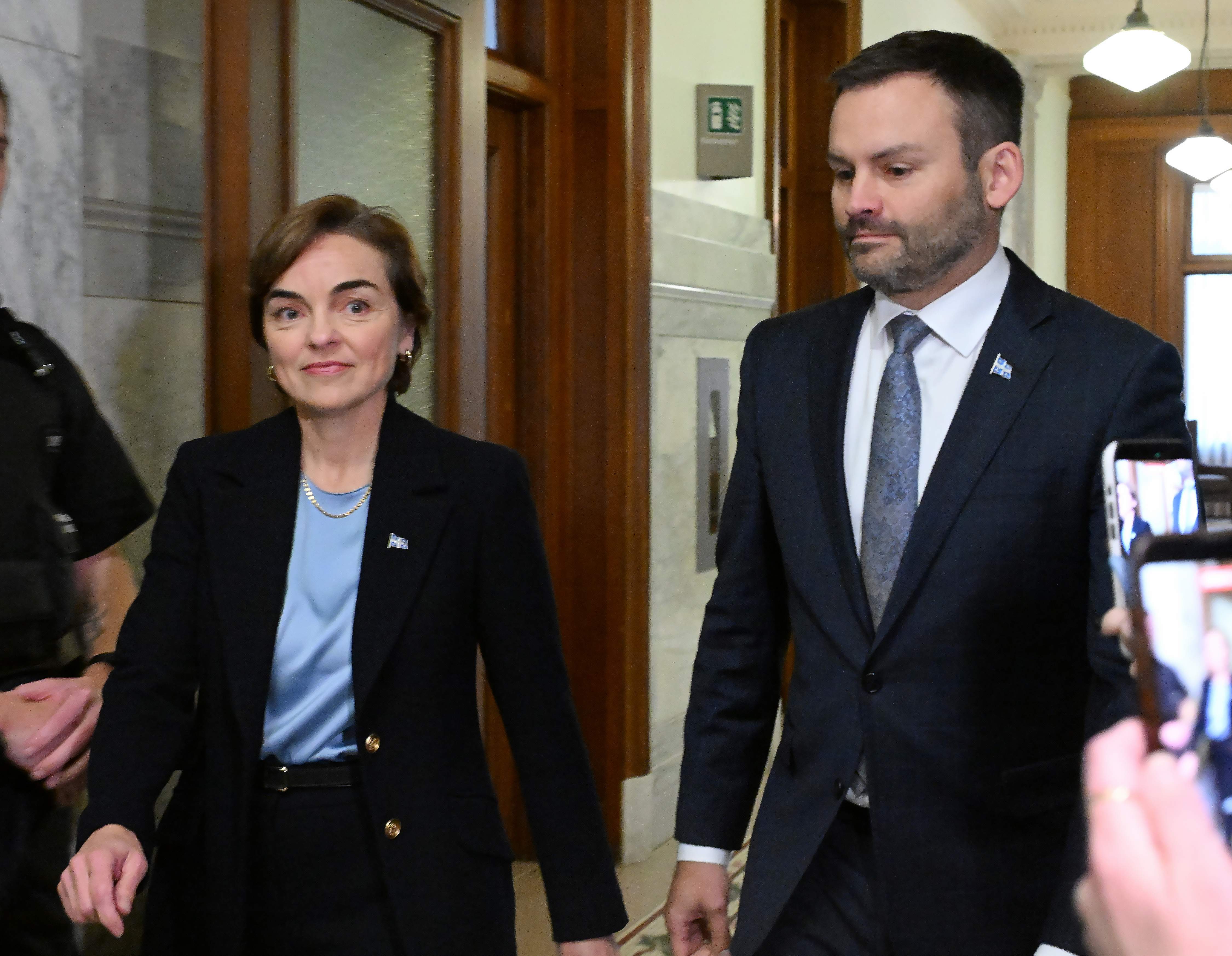
Outgoing Premier Christine Fréchette and premier-designate Paul St-Pierre Plamondon sat down for under an hour at the premier’s office. They tackled heavy files like the economy, employment, and the Churchill Falls hydroelectric agreement. On paper, it looked like a standard administrative briefing. On the ground, it marked a tectonic shift in Canadian provincial politics. Also making news in related news: Why Taiwan Just Detained Drone Executives Over Chinese Parts.
The Parti Québécois pulled off an absolute stunner in the October 5 provincial election. They secured 59 seats and captured a minority government, returning the sovereigntist party to power for the first time since 2014. Meanwhile, the Coalition Avenir Québec—which held absolute control since 2018—got completely wiped out, failing to win a single seat. Fréchette resigned immediately after taking full responsibility for the collapse.
If you are trying to understand what this transition actually means for the province, you have to look past the polite photo ops. St-Pierre Plamondon isn't just inheriting an office. He is stepping into a political minefield. Additional details on this are detailed by Al Jazeera.
The Reality of Minority Governance in Quebec
Winning the election was the easy part. Managing a minority legislature with a massive block of rookie politicians is where the real test begins.
Over 50 of the newly elected PQ members are completely new to provincial politics. When you combine a rookie bench with minority status, you get a recipe for chaos if discipline slips. St-Pierre Plamondon doesn't have the luxury of ramming bills through the National Assembly. He has to negotiate every single piece of legislation.
Political analysts point out that the PQ will have to play a delicate game of legislative horse-trading.
- On fiscal restraint and public service spending cuts, they might find natural allies in the Conservative camp, which grabbed 19 seats.
- On social welfare, homelessness, and community spending, they will likely lean toward Québec solidaire, which secured nine seats.
This fragmentation means the incoming administration has to stay hyper-focused. St-Pierre Plamondon already stated his core priorities include the cost of living, homelessness, and government spending. If he gets bogged down by secondary ideological battles too early, his government could stall out before it gains momentum.
The Oath Battle and Immediate Roadblocks
Even before the cabinet gets sworn in on October 21, friction is mounting.
Newly elected MNAs are scheduled to take their oaths at the National Assembly, but questions linger around whether St-Pierre Plamondon will pledge allegiance to the King. It is a long-standing point of contention for sovereigntists, and legal challenges are already swirling. While experts debate whether the issue will dominate headlines or fade into the background, it highlights the constant tension between traditional parliamentary rules and the PQ's core identity.
To complicate matters further, the election results aren't even entirely finalized.
The party is actively pushing for judicial recounts in tightly contested ridings. A recount is already locked in for Vachon, where a razor-thin 10-vote margin separated the Liberal winner from the PQ candidate. Another battle is brewing in Champlain, where the PQ believes missing ballots warrant a judicial review despite falling just short of the strict statutory threshold.
What This Means Moving Forward
You shouldn't expect the new government to launch an immediate referendum on separation. St-Pierre Plamondon knows his first mandate is economic competence and proving that a sovereigntist party can manage day-to-day government affairs without stumbling.
If you're watching Quebec politics, keep your eyes on the upcoming cabinet unveiling next week. That lineup will tell you whether the premier-designate is prioritizing seasoned pragmatists or doubling down on raw party loyalty.
The transition of power has officially begun, but the real turbulence starts the moment the new administration takes control of the floor.