A wall of mud, rocks, and water tore through Himalayan river valleys near the Nepal-China border, leaving a trail of absolute devastation. The confirmed death toll quickly climbed past 900, and thousands remain missing.
Behind these grim numbers lies an even more frantic race against time. Hundreds of energy workers are trapped deep inside underground hydroelectric tunnels, cut off from the outside world by tons of debris and ruined infrastructure.
You might wonder how a disaster of this scale unfolds so fast. Triggered by a massive glacial collapse high in the mountains, the flash flood gave residents and workers zero warning. Water surged down the valleys with terrifying force, smashing bridges, burying highways, and flooding subterranean project sites where dozens of foreign and local personnel were stationed.
The Nightmare Inside the Hydropower Tunnels
Working underground sounds safe until the mountain itself starts moving. When the floods hit, multiple hydropower construction sites and operational stations turned into death traps.
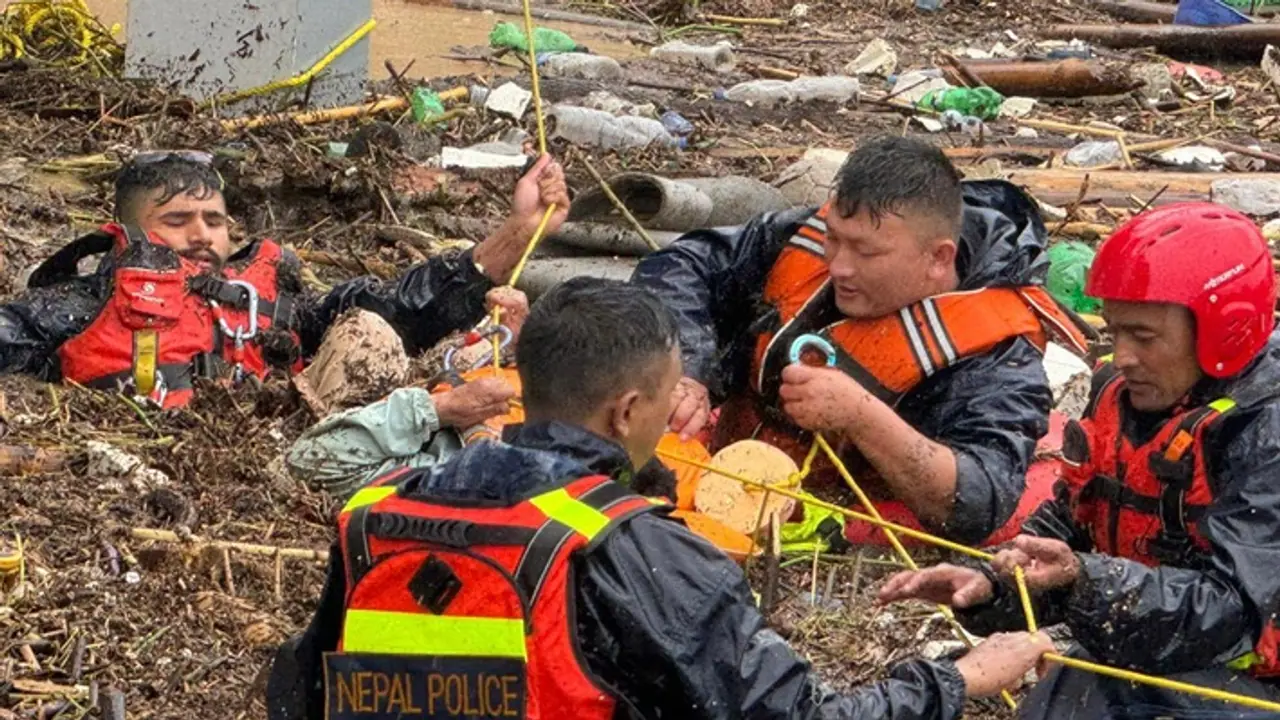
Rescuers face a brutal reality on the ground. Heavy machinery can't clear the blocked tunnel entrances because the surrounding slopes remain violently unstable. Triggering another landslide is a constant threat. Security personnel and specialized teams are often forced to dig by hand, moving tons of wet earth and heavy rock bucket by bucket.
Miracles do happen, though they are rare. A few trapped workers have been pulled out alive after spending over a week cut off in air pockets inside flooded tunnels, reminding rescue workers why they refuse to give up hope. But for every survivor found, search crews uncover sobering evidence of the sheer scale of the tragedy.
Why Traditional Disaster Response Fails Here
Mountain geography makes standard emergency management nearly impossible. When roads vanish into rivers and communication lines snap, rescue operations rely entirely on local grit and specialized international backing.
Over 21,500 security personnel have been deployed across the affected Himalayan sectors. They are battling more than just mud. Landslide-blocked routes mean food, medicine, and clean water take days to reach remote pockets. Hospitals in Kathmandu and regional centers are overwhelmed, treating thousands of injured survivors while families camp outside morgues and medical tents searching for missing relatives.
The United Nations and global partners launched a nearly $50 million flash appeal to keep aid flowing to upwards of 84,000 displaced people. Cash injections and emergency supplies are vital, but physical access remains the ultimate bottleneck.
What Comes Next for the Region
Rebuilding roads and draining flooded energy tunnels will take months, if not years. More importantly, this catastrophe highlights the growing danger of glacial lake outbursts driven by changing climate patterns in the Himalayas.
If you want to support relief efforts or track official updates, look toward accredited humanitarian agencies working directly on the ground in South Asia to ensure resources reach the families who need them most.
Catastrophe of Unimaginable Proportions: Nepal Flood Death Toll Tops 900; Near 5,000 Still Missing
This video provides an on-the-ground look at the unprecedented scale of the Himalayan flash floods and the ongoing emergency response.