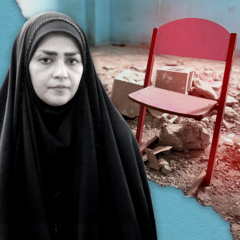
On February 28, 2026, a devastating missile strike flattened the Shajareh Tayyebeh primary school in Minab, a southern Iranian town in Hormozgan province. When the dust settled, 156 civilians were dead. Among them were 120 young school children and 26 teachers.
It stands as the single deadliest civilian strike of the conflict. Months later, the Families of Minab are still asking basic questions while official investigations lag.
Here is what open-source evidence, satellite analysis, and eyewitness accounts actually tell us about that tragic morning—and why holding anyone accountable remains painfully slow.
What Actually Happened in Minab
The attack occurred between 10:23 and 10:45 a.m. local time on the opening day of air operations in Iran.
Shajareh Tayyebeh was a two-story elementary school serving both boys and girls on separate floors. During the initial strike, the principal and staff scrambled to escort children into safer internal rooms, including a prayer hall. Tragically, local reports and medical personnel confirmed the area suffered additional impacts shortly after—what military analysts call a "triple-tap" pattern—causing the roof structure to collapse completely onto those taking shelter.
- Total Fatalities: 156 people.
- Child Casualties: 120 students (aged 6 to 13).
- Staff & Adult Casualties: 26 female teachers, 7 parents who arrived to rescue children, and local bystanders.
- Injured: At least 95 civilians.
The Proximity Debate and Targeting Intelligence
Understanding how a primary school ended up in a target crosshair requires looking at the surrounding geography.
The school sat adjacent to the Sayyid al-Shuhada military complex, which housed an Islamic Revolutionary Guard Corps Navy (IRGCN) headquarters. Historical satellite records show the school building had been operated purely as a civilian educational facility for over ten years prior to 2026.
[IRGCN Military Base Complex] <--- Decades-Old Boundary ---> [Shajareh Tayyebeh School]
Independent reviews by organizations like Amnesty International and forensic research groups highlight a critical flaw: targeting databases likely relied on outdated intelligence mapping that failed to distinguish between the active IRGCN compound and the long-separated civilian school right next door.
When precise standoff munitions like Tomahawk cruise missiles are launched against co-located targets, outdated baseline data yields catastrophic collateral damage.
Munitions and Physical Evidence
Multiple independent visual verifications tell a consistent story regarding what weapon struck the facility:
- Missile Debris & Video Footing: Video footage captured near the impact site analyzed by munitions experts identified key airframe features consistent with US-made Tomahawk cruise missiles. Neither Iranian forces nor regional allies field Tomahawk systems.
- Blast Geometry: Satellite imagery before and after February 28 shows localized, high-explosive impact craters direct on the school building itself rather than stray secondary shrapnel from hits on the nearby military base.
- Official Pentagon Stance: Central Command confirmed internal reviews were ongoing regarding potential civilian casualty events in southern Iran, but official published findings have remained stalled for months.
The Human Impact and Legal Implications
Under international humanitarian law—specifically the Geneva Conventions—the principle of distinction strictly prohibits targeting civilian infrastructure. Even when a legitimate military objective is adjacent, commanders must ensure proportional force and verify that target intelligence is up to date.
For the community in Minab, legal definitions matter less than the daily reality. Entire classrooms of children were lost in minutes. The lack of transparent, published military investigations compounds the grief of surviving parents who simply want official acknowledgement and accountability.
Practical Steps to Track Human Rights Investigations
If you are following military accountability, conflict reporting, or international legal proceedings surrounding civilian strikes, here are the best ways to monitor verified developments:
- Follow Independent Open-Source Intelligence (OSINT): Monitor groups like Bellingcat, Forensic Architecture, and Airwars that independently cross-verify satellite imagery and munition debris.
- Track Formal Human Rights Filings: Watch for official updates and legal briefs released by Amnesty International and the UN High Commissioner for Human Rights (OHCHR).
- Monitor Pentagon Press Briefings: Watch official U.S. Central Command (CENTCOM) casualty release logs, which periodically update internal assessment results.