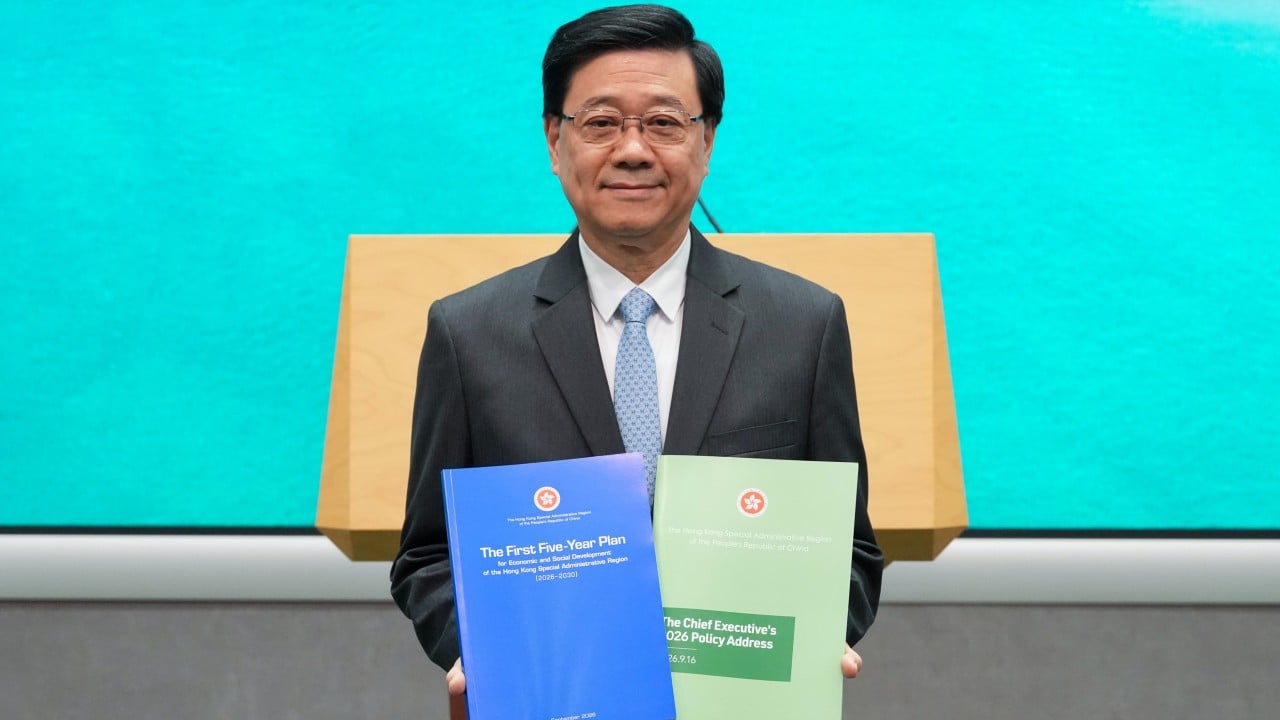
Housing in Hong Kong has always been a painful hurdle, especially for the younger generation. If you have spent five minutes trying to navigate property prices or rental markets in the city, you already know the system needs fixing. Chief Executive John Lee Ka-chiu rolled out the 2026 Policy Address alongside the city's inaugural five-year plan, targeting structural pain points that have frustrated residents for decades.
Instead of minor cosmetic changes, the administration laid out aggressive targets. The blueprint tackles youth development, property ownership, and alternative dispute resolution head-on. Let's look at what these sweeping changes mean for everyday citizens.
The Reality of Youth Housing and Home Ownership
Young adults in the city are tired of waiting. Rent eats up half a paycheck, and saving for a down payment feels like chasing a mirage. The latest policy package introduces a sharper focus on getting younger citizens onto the property ladder and stabilizing their early career tracks.
The administration aims to build roughly 196,000 public housing units from 2026 to 2031. More importantly, public rental housing is slated to make up 40 percent of total housing supply over the coming decade. Subsidized sale flats and private homes will split the remainder evenly.
Substandard subdivided units are finally getting an expiration date. The government set a firm target to phase out these subpar living spaces by 2030, establishing a basic housing unit regime that enforces strict living standards. Meanwhile, 30,000 Light Public Housing transitional units are scheduled for completion by March 2027, beating original timelines.
Wait times for subsidized rental housing are heading down. The government expects the composite waiting time to shrink to 4.5 years by 2027, with a long-term goal of dropping below four years by the end of the decade.
Beyond Concrete: Youth Employment and Global Reach
Housing is only half the battle. You cannot pay a mortgage without a steady income. To combat underemployment and stagnant career progression, the policy framework introduces a massive two-year initiative called the 30,000 Youth Employment and Internship Programme.
This program teams up with heavy-hitting industries like information technology, finance, construction, and general business services. It's designed to give graduates real operational experience rather than empty resume builders. Additional international exchange programs and the United Nations Youth Leaders Internship Programme aim to push local talent onto the global stage.
Positioning the City as a Mediation Hub
Disputes happen everywhere, from commercial contracts to chaotic building management committees. Traditional court litigation is slow, expensive, and stressful. The 2026 policy shift introduces a distinct structural fix by expanding alternative dispute resolution.
The government is pushing to build a global capital of mediation, tying into the work of the International Organization for Mediation. Closer to home, a new three-tier mechanism specifically targets building management disputes using mediation as the primary tool. If you have ever dealt with toxic property owner corporations or neighborhood repair disagreements, you know how quickly legal fees spiral out of control. Giving mediation official backing saves time and keeps neighborhood disputes out of crowded courtrooms.
What This Means for You Right Now
Big government blueprints often sound like bureaucratic noise. However, the operational targets in this address carry concrete timelines.
If you are a young professional, watch for the rollout of the employment programs and upcoming subsidized sale flat batches. If you are a parent or planning a family, the extended baby bonus—now reaching HK$30,000 for a second child—and enhanced tax deductions signal a clear shift toward active fertility support.
The transition won't happen overnight. Building thousands of public units and phasing out substandard living spaces requires continuous execution. Keep an eye on how departments hit their quarterly milestones, because accountability is the only metric that truly matters.