Diplomatic pleasantries rarely survive a direct threat. When Iranian and Cuban representatives stood up and walked out of the United Nations General Assembly hall, they didn't just register a silent protest. They put an exclamation point on a rapidly deteriorating geopolitical climate.
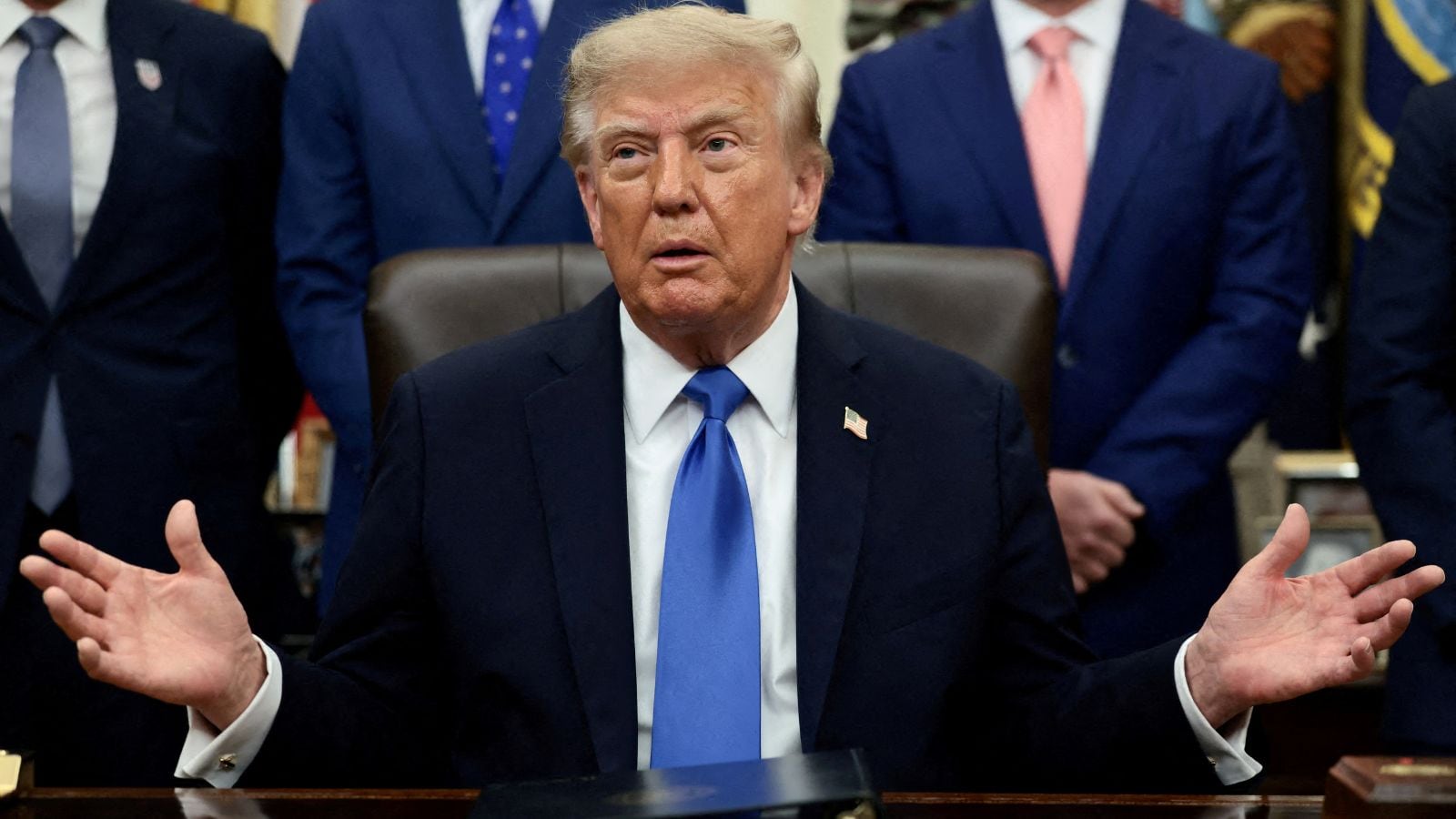
If you tuned into the annual UN gathering in New York, you watched President Donald Trump deliver a blistering address that targeted Tehran and Havana with explosive language. Ten minutes into his remarks, as references turned toward ongoing military operations and threats of total destruction, the Iranian seats began emptying. Cuba followed shortly after as the podium turned to label the island an absolute failed state.
Let's look at what actually triggered the mass exodus and why this moment signals a permanent shift in international relations.
The Breaking Point in the General Assembly Hall
Trump didn't mince words. Addressing the assembly, he laid out a stark ultimatum for Iran, weighing the prospect of a future deal against the alternative of immediate annihilation. For the junior-level diplomats filling Iran's benches—while President Masoud Pezeshkian and Foreign Minister Abbas Araghchi stayed elsewhere in New York—the threshold had been crossed.
They packed their notes, stood, and filed out of the chamber. Only a single representative remained behind, a lone figure holding down a row of empty seats while the speech pressed forward.
Minutes later, Cuba's delegation made its own exit. The trigger came when Trump labeled the communist government a failed state and predicted its imminent collapse, noting that Secretary of State Marco Rubio was handling heavy pressure tactics against Havana. Instead of listening to a public lecture on regime change, the Cuban officials chose the corridor.
Why This Walkout Matters Right Now
Walkouts at the UN are standard theater, right? Diplomats stage theatrical exits all the time to score domestic political points. But this instance hits differently because it mirrors concrete military and economic pressures playing out on the ground.
Washington's effective oil blockade against Cuba, intensified by recent maneuvers in Venezuela, has squeezed the island's energy supplies to a breaking point. Meanwhile, months of intermittent military strikes and nuclear standoffs have left Tehran with little appetite for diplomatic niceties.
When leaders use the world's biggest stage to trade explicit threats of total destruction rather than build consensus, the UN floor stops being a negotiation table. It becomes a battleground.
The Broader Fallout for Global Diplomacy
Expect long-term ripples from this showdown. Diplomatic channels between Washington, Tehran, and Havana were already frozen. This public humiliation on the global stage ensures that any backchannel talks will face even steeper hurdles.
If you are watching international markets or tracking global security, keep an eye on how these sanctioned states respond in regional proxy zones. Empty seats in New York rarely mean quiet borders back home.