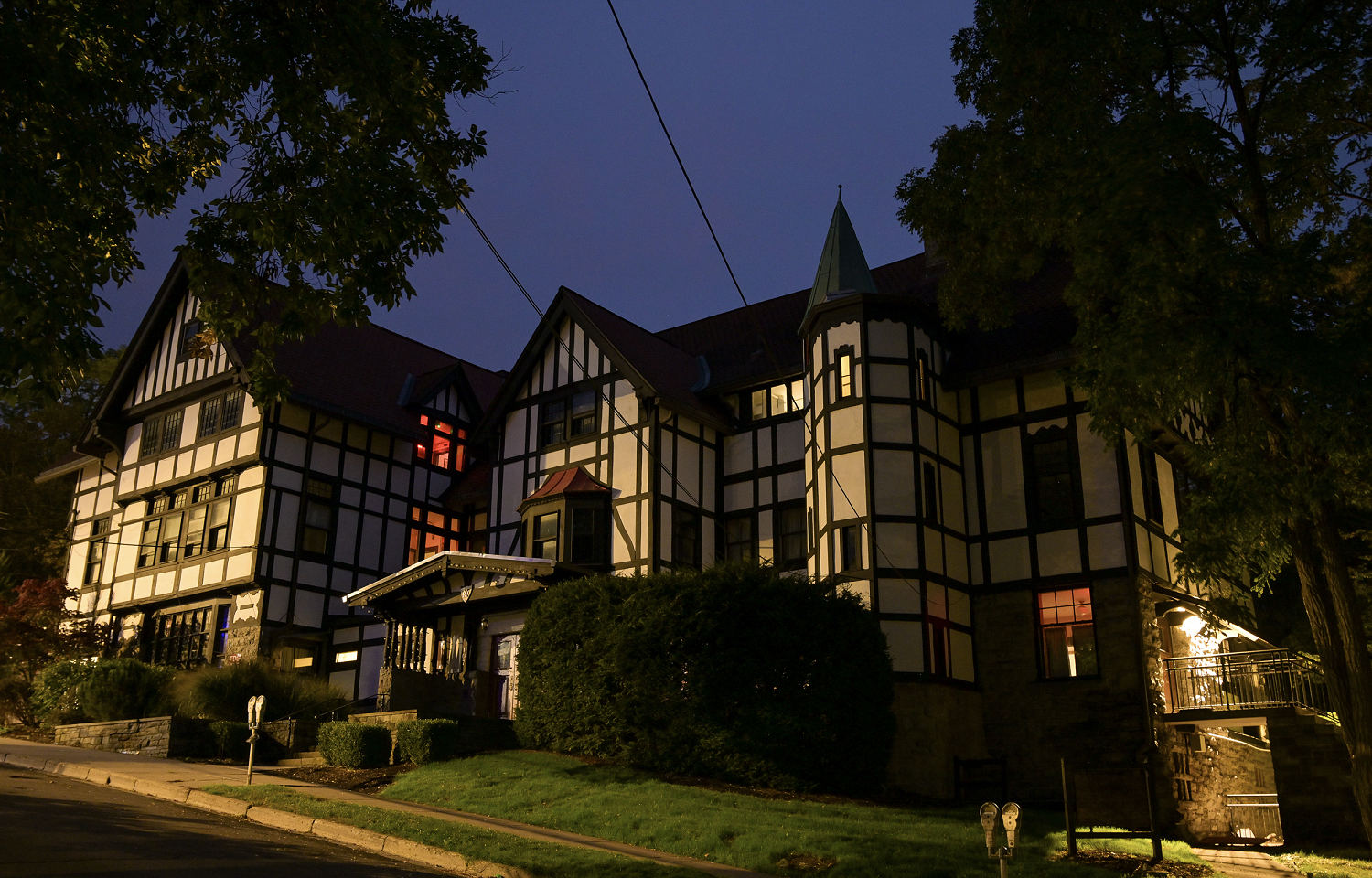
When a university decides to shut down an entire campus social ecosystem, you know things have crossed a breaking point. Cornell University has officially suspended all parties and social events at Interfraternity Council houses through the end of the academic year, reacting to mounting pressure and student protests over its handling of a high-profile 2024 sexual assault case.
If you've been following higher education headlines, you know this isn't just about a single cancelled weekend mixer. It's a massive reckoning over campus safety, institutional accountability, and whether traditional Greek life has any safe place left on modern college campuses.
The Breaking Point Behind the Cornell Decision
The drastic measures announced by Cornell President Michael Kotlikoff didn't happen in a vacuum. They follow weeks of intense student walkouts, campus sit-ins, and national scrutiny over a civil lawsuit filed in September 2026. The lawsuit details an alleged 2024 gang rape involving members of the Chi Phi fraternity house in Ithaca, New York.
Students and activists spent weeks demanding structural changes, pointing out that university disciplinary processes often move too slowly and shield powerful student organizations. The outcry drew sharp criticism from high-ranking officials, including New York Governor Kathy Hochul, and prompted the Tompkins County District Attorney to reopen the criminal investigation.
When public outrage reaches the governor's office, universities stop treating safety scandals as isolated local issues. Cornell had to act aggressively to rebuild any semblance of trust with its student body.
What the New Cornell Restrictions Actually Mean
Under the new directives, it's not just a slap on the wrist.
- Total Party Ban: All social events at Interfraternity Council houses are halted for the remainder of the 2026-27 academic year.
- Zero Tolerance Policy: Any violation of the new directives triggers an immediate emergency suspension of the entire chapter involved.
- External Oversight: Cornell is bringing in the New York State Police to assist with sex crime investigations on campus, shifting authority away from purely internal campus channels.
- Independent Review: The university tapped former U.S. Deputy Attorney General Sally Yates to lead an independent review examining how the administration handled previous sexual misconduct reports.
Institutions love to announce committees, but bringing in state police and outside legal firepower indicates a genuine panic among university leadership. They realize that internal investigations no longer pass the smell test with students, parents, or prosecutors.
Why Greek Life Keeps Failing the Safety Test
Fraternity culture on American college campuses has operated under the same playbook for decades. High-risk drinking, closed doors, isolated chapter houses, and an insular social hierarchy create an environment where accountability goes to die.
When you combine private alcohol distribution with an entrenched culture of silence, you get predictable tragedies. Cornell isn't the first university to pull the plug on fraternity events, and it won't be the last. Dartmouth, Princeton, and UVA have all faced similar structural crises over hazing, sexual violence, and alcohol poisoning.
The real question isn't whether Cornell can survive a year without frat parties. It's whether fraternity life can survive a reality where students refuse to accept institutional cover-ups.
What Happens Next for Cornell and College Campuses
Shutting down parties for a year buys the administration time, but it doesn't solve the underlying cultural rot. A suspension is a pause button, not a fix.
If Cornell wants to prove that safety matters more than alumni donations and fraternity dues, the upcoming independent review by Sally Yates needs to result in permanent structural changes. That means transparent reporting metrics, zero administrative deflection, and real legal consequences for perpetrators rather than quiet expulsions or wrist-slaps.
Keep an eye on how other Ivy League and major research institutions respond. If students continue to organize effective mass protests and demand external law enforcement intervention, the old era of campus self-policing is officially over.