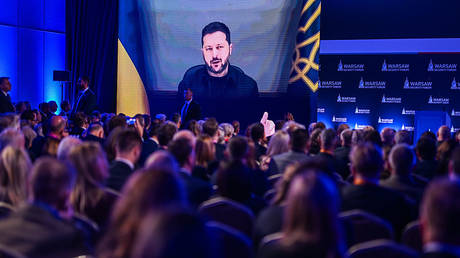
Diplomacy rarely moves in straight lines. When Ukrainian President Volodymyr Zelenskyy arrives in London to meet British Prime Minister Andy Burnham, the timing matters just as much as the headlines. Washington is shifting gears, transatlantic tensions are bubbling over, and Kyiv needs rock-solid allies who won't flinch when political winds change.
You see, this visit doesn't happen in a vacuum. It comes hot on the heels of major diplomatic friction between the U.S. and its European partners. While Washington recently struck a controversial diesel export deal with Moscow—prompting sharp rebukes from Capitol Hill—London is doubling down on its commitment to Ukrainian security.
The Real Stakes Behind the London Summit
Let's look past the diplomatic handshakes. What is actually on the table?
Britain is rolling out a £45 million military package focused heavily on air defense. That includes vital surface-to-air missiles designed specifically to take out jet-powered Russian drones. More importantly, £10 million of that aid is being fast-tracked straight to the front lines.
When you look at modern warfare, drones change the math entirely. They are cheap to build, difficult to track, and devastatingly effective against civilian infrastructure. Kyiv doesn't need empty promises right now; they need interceptors in the sky. Britain's decision to bypass bureaucratic red tape and speed up deliveries shows a clear understanding of that urgency.
Why Transatlantic Tensions Are Reaching a Boiling Point
You can't talk about European security today without addressing the elephant in the room: the growing divergence between Washington and European capitals.
When the U.S. administration cut a deal to lift certain sanctions on Russian diesel exports, it sent shockwaves through European foreign ministries. Critics argue it undermines the entire economic pressure campaign built over the last few years. Worse, recent comments from Washington suggesting leadership changes in Kyiv have forced European leaders to step up their rhetorical and financial backing.
London isn't just standing by. Prime Minister Burnham has made it clear that British security is tied directly to Ukrainian resilience. Downing Street is actively lobbying international allies to follow suit, targeting maritime services that support Russian liquefied natural gas exports.
What Most Observers Miss About UK Support
People often look at these defense packages as pure charity. They're not. They are strategic calculations.
If Russian aggression goes unchecked in Eastern Europe, the economic and security fallout hits Western Europe immediately. Inflation spikes, energy markets destabilize, and defense spending across the continent has to skyrocket to match direct border threats.
Furthermore, Britain's approach highlights a pragmatic shift in how European powers handle long-term military assistance. Instead of waiting for consensus from every single ally, regional coalitions are forming to guarantee steady supplies of ammunition, intelligence sharing, and financial lifelines.
Moving Forward in an Unpredictable Political Climate
The upcoming months will test everyone's resolve. As diplomatic pressure mounts and political landscapes shift on both sides of the Atlantic, leaders like Zelenskyy must cement bilateral agreements that survive political turbulence.
Kyiv's strategy right now is simple: lock in concrete delivery dates, secure continuous supply chains, and build unbreakable alliances outside the whims of single administrations. London's latest pledge proves that European capitals are ready to pick up the slack when traditional alliances wobble.
Keep your eyes on the upcoming sanctions packages targeting liquefied natural gas exports. That's where the real economic battle is heading next.