The lines between inspiration, homage, and outright intellectual theft have completely blurred in the art market. Right now, the Australian art community is reeling from a massive scandal that exposes how easily major institutions get duped by copycat work. Lennox Head painter Jane Allan is at the absolute center of this storm, facing intense backlash over two separate high-profile paintings that look astonishingly similar to masterworks by other artists.
It started with a $20,000 paycheck and ended with lawyers getting involved. For a different look, see: this related article.
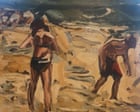
Last year, Allan took home the top prize at the Gold Coast-based Doyles art award for her painting Seaside Explorers. She pocketed the cash, and Gold Coast Mayor Tom Tate even hung the artwork right outside his office in the council chambers. The prize directors called it mature and confident. But a full year later, the truth came out. Whistleblowers noticed that Seaside Explorers is practically identical to a 15-year-old masterpiece called Two Estuary Figures by acclaimed Australian artist Nicholas Harding, who passed away in 2022.
The Anatomy of a $20,000 Copy
When you look at the two pieces side by side, it is not just a case of sharing a similar vibe. The composition, the figures, and the structural choices are a direct mirror image. Philip Bacon, who sold paintings for Harding, noted that the only real difference is that Allan basically expanded the original imagery. Similar coverage regarding this has been published by USA Today.
The Doyles art award committee did not pull any punches when the news broke. They posted on social media expressing raw anger, stating that the situation goes against everything the organization stands for. When prize administrators finally tracked Allan down to confront her about the eerie similarities, she reportedly burst into tears and did not deny the accusation. Now, the organization has stripped her of the title and engaged lawyers to claw back the $20,000 prize money.
But this wasn't an isolated incident. The scandal instantly blew the lid off Allan's previous artistic accolades, exposing a deeply unsettling pattern.
When the National Portrait Gallery Looked the Other Way
As critics began digging into Allan’s portfolio, they stumbled upon another massive red flag from 2022. That year, Allan was named a finalist in the prestigious Darling portrait prize at the National Portrait Gallery, even winning the $2,000 Art Handler’s award for her piece Weight of the Mind's Periapt.
The problem? Her painting features an almost identically shaped and detailed figure to a legendary 1982 masterpiece by New York neo-expressionist Jean-Michel Basquiat, titled Untitled (Two Heads on Gold).
[Basquiat's Original Elements]         [Allan's Winning Replication]
- Robot-like side-by-side figures      - Identically shaped figure
- Spiky hair & upside-down T nose      - Same white outlined features
- Spindly, frantic arms                - Similar spindly arms & pose
Allan's artist notes claimed the work was an intimate, emotional portrait of her primary carer, Warren, who looked after her following a spinal cord injury caused by a truck accident. Yet the visual language was directly lifted from the Basquiat estate's catalogue.
When pressed on this, a National Portrait Gallery spokesperson admitted that the gallery’s art handlers actually noticed the connection at the time, casually chalking it up to the artist being "clearly influenced" by Basquiat. The gallery hid behind standard terms and conditions, stating they simply require artists to self-declare that their submissions are original.
The Real Problem With Lazy Judging
This disaster highlights a gaping vulnerability in how modern art competitions are run. Judges are failing at basic due diligence. We live in an era where a reverse image search takes less than five seconds, yet major panels are handing out five-figure sums to copycats while completely ignoring the red flags staring them in the face.
It is incredibly unfair to the hundreds of artists who spend years developing an original visual voice, only to lose funding and exhibition space to someone who literally traced a dead master's catalog. Influence is normal. Every artist stands on the shoulders of giants. But when you replicate specific line weights, facial proportions, and structural compositions, you are not paying homage. You are plagiarizing.
What the Art World Must Do Next
If art prizes want to keep any shred of legitimacy, the selection process needs an immediate overhaul. The honor system is officially dead.
- Implement Digital Screening: Art prize committees must use digital visual matching tools to screen every single finalist submission against historical and contemporary art databases before any awards are announced.
- Enforce Stricter Sourcing Rules: Artists should be required to explicitly list their direct visual references and source materials if their work heavily relies on specific historic styles or compositions.
- Hold Panels Accountable: If a judging panel awards a major prize to an uncredited copy, those judges should be disqualified from vetting future competitions.
The Doyles committee is doing the right thing by pursuing legal avenues to retrieve their funds. Now, the rest of the institutional art world needs to wake up and stop rewarding mediocrity under the guise of inspiration.