Tragedy struck the Java Sea when the passenger ferry Virgo Transport 8 overturned in turbulent weather, leaving at least six people dead and 129 others missing. The vessel was carrying 243 people—213 passengers and 30 crew members—along with 89 vehicles when it set out from Surabaya in East Java toward Banjarmasin on Borneo Island.
At around 2 a.m. on Sunday, the ship lost contact with its shipping company. The captain had previously reported dangerous sea conditions with waves surging past three meters high, noting that the hull was listing heavily. Helicopters and navy vessels quickly deployed to the site, finding the ship floating upside down roughly 148 kilometers away from its destination. While 108 survivors managed to make it to safety, the sheer scale of the missing persons list highlights a recurring maritime crisis in Southeast Asia's largest island nation.
The Reality of Maritime Travel in Indonesia
Indonesia spans over 17,000 islands, making ferries an absolute lifeline for millions of citizens who travel between major landmasses like Java and Borneo. But this heavy reliance on water transport comes with a grim pattern. Accidents occur with alarming frequency.
Just weeks before this capsizing, separate fires broke out on other regional ferries, including an incident near Bali and another involving the Mutiara Sentosa 2 off Java. Critics point to systemic vulnerabilities that plague the sector. Enforcement of safety standards is notoriously lax, passenger manifests frequently fail to match actual headcounts due to informal boarding practices, and predicting sudden weather shifts in the Java Sea remains a massive challenge for local crews.
What Survivors Say Happened Onboard
Firsthand accounts from those who made it off the Virgo Transport 8 paint a picture of sudden chaos. Many passengers were fast asleep when the vessel began tilting violently in the dead of night.
Rinto Arahap, a 33-year-old survivor traveling to a palm oil plantation for work, recalled hearing a sound resembling snapping metal just hours into the trip. There was no official ship-wide alarm or warning broadcast by the crew. Passengers had to rely on individual panic, shouting warnings to one another, climbing onto tables, and frantically fighting over life jackets as the ship capsized in the dark. Rinto and others spent roughly four hours drifting in choppy waters before rescue teams pulled them out.
The Aftermath and Ongoing Rescue Operations
At the Trisakti port in Banjarmasin, a grim command center has emerged. Dozens of anxious family members crowd around whiteboards, tracking shifting lists of survivors and casualties. For relatives like Jenah, who searched for news of her brother, the wait is agonizing.
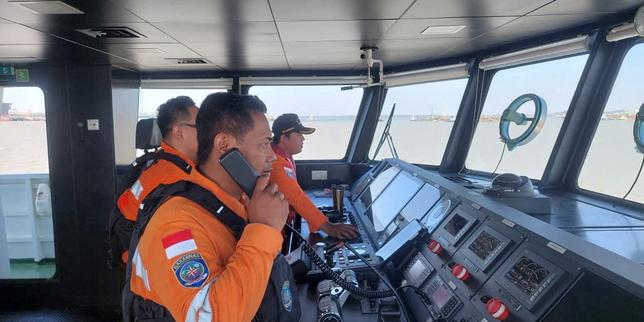
Rescue teams from Basarnas, the national search and rescue agency, have mobilized hundreds of personnel, aircraft, and dozens of boats. However, strong ocean currents and towering waves have repeatedly hampered efforts for divers to enter the overturned hull. Authorities face massive logistical hurdles as they race against time to locate the 129 missing individuals before the golden window for survival closes.
If you are tracking regional maritime safety or planning travel across the Indonesian archipelago, always verify operator credentials, check seasonal meteorological forecasts closely, and familiarize yourself with emergency exit routes the moment you step foot on any vessel.


