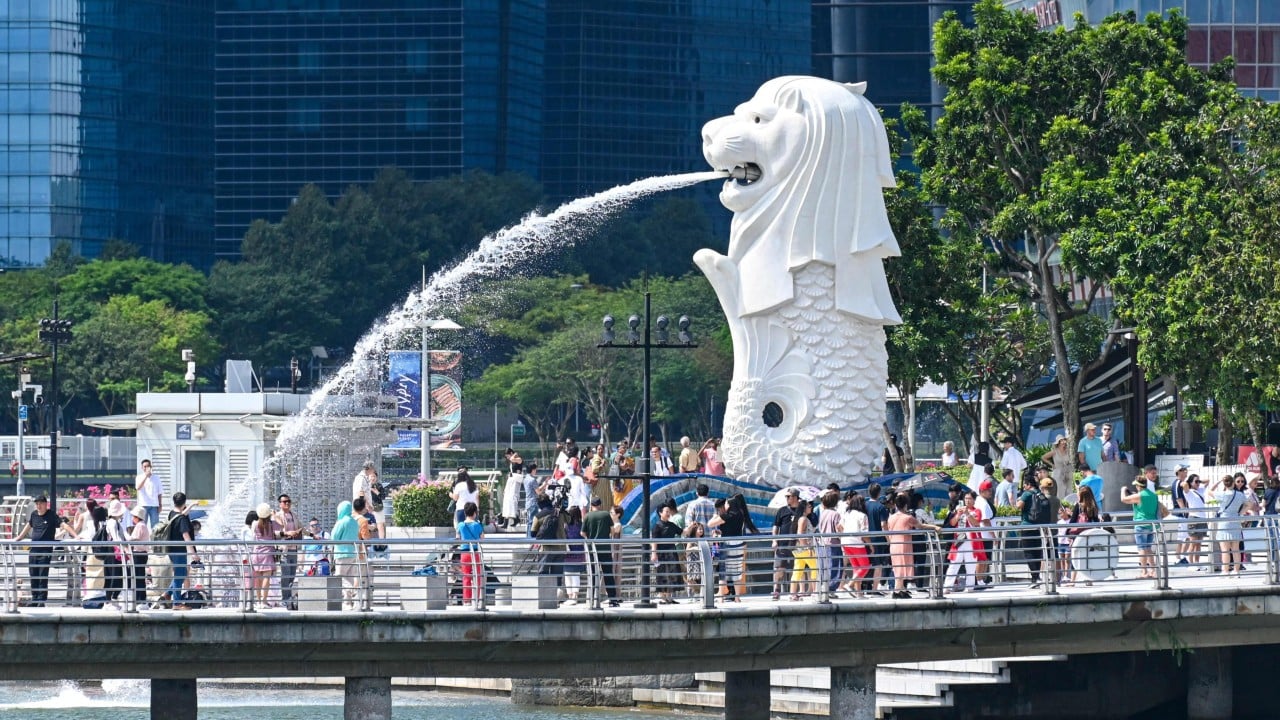
Getting locked into a foreign legal battle over counterfeit money is every traveler’s worst nightmare. When an Indonesian businessman named Steven walked into Resorts World Sentosa in Singapore to exchange 34 legacy 1973-series S$10,000 bills worth approximately Rp4.7 billion, he likely had no idea he was walking straight into a criminal investigation.
Now, his legal team insists he is nothing more than a pawn in an elaborate cross-border fraud. But Singaporean authorities take counterfeit currency with absolute severity, leaving him stuck in legal limbo while police in both Singapore and Indonesia untangle the mess.
If you are wondering how a routine cash exchange turns into a high-stakes international investigation, you need to look at the details behind the S$10,000 notes, the shady middlemen, and why high-denomination currency remains a magnet for organized crime.
The Setup Behind the Multi-Billion Rupiah Currency Exchange
The entire ordeal started back in June 2026, when Steven was approached by three acquaintances—identified in local reports as individuals including Anthony and associates—to exchange vintage S$10,000 banknotes. These massive denomination bills were originally issued by the Monetary Authority of Singapore starting in 1973, but they were discontinued back in 2014 to curb money laundering and illicit financial flows.
Because these high-value notes are rare and old, exchanging them requires special handling. The trio allegedly claimed the notes were an inheritance or tied to a property transaction, asking Steven to convert them into smaller, usable denominations in exchange for a commission.
To build trust, the associates even provided video statements taking full responsibility if anything went wrong. Steven tested the waters on June 9, successfully exchanging a single S$10,000 bill at the casino. Encouraged by that initial smooth transaction, he returned days later with 27 more notes, which also cleared initial checks and were converted into casino chips.
Where the Scheme Fell Apart
Things unraveled when Steven tried to handle the remaining six notes. Security at Resorts World Sentosa flagged the bills during his subsequent visit, discovering that serial numbers had been tampered with or removed, and categorized the cash as counterfeit.
Singaporean police detained Steven, confiscated his passport and phone, and barred him from leaving the country while investigations continue. Under Singapore law, passing or using forged banknotes carries severe penalties, including prison sentences of up to 20 years.
Meanwhile, back in Indonesia, Steven's family fought back. Through his attorneys, including Dosma Sijabat and Yosia Ginting, they filed an official fraud complaint with the Jakarta Metro Police, which was later transferred to the South Tangerang Police Precinct under report number LP/B/4843/VII/2026/SPKT/POLDA METRO.
South Tangerang Police Chief Senior Commissioner Boy Jumalolo confirmed that investigators have elevated the case to a full investigation, interviewing witnesses and coordinating directly with the Singapore Police Force via virtual meetings to determine the origin of the fake bills.
Why Legacy Banknotes Are a Trap
This case exposes a massive blind spot for anyone handling old, high-value physical cash. Financial institutions globally have phased out ultra-high banknotes like the S$10,000 Singapore bill or the US $10,000 note precisely because they bypass digital tracking systems and attract counterfeiters.
If you are ever asked to carry, convert, or hold legacy physical cash for someone else—even a trusted friend or business associate—protect yourself immediately with these practical steps:
- Never accept physical custody of legacy high-denomination notes without direct, verifiable bank authentication certificates from the issuing central bank.
- Refuse third-party exchange requests where someone asks you to travel across international borders to cash out money on their behalf. If the funds are legitimate, the owner should handle the exchange themselves.
- Understand cross-border legal risks. Foreign jurisdictions like Singapore enforce strict strict liability or severe evidentiary standards regarding counterfeit possession, meaning claiming ignorance rarely gets you off the hook immediately.
The investigation between Indonesian and Singaporean law enforcement remains active. Until official authentication reports clear up who actually manufactured the fraudulent bills, Steven remains caught in a stark reminder that running errands with someone else's cash can cost you your freedom.