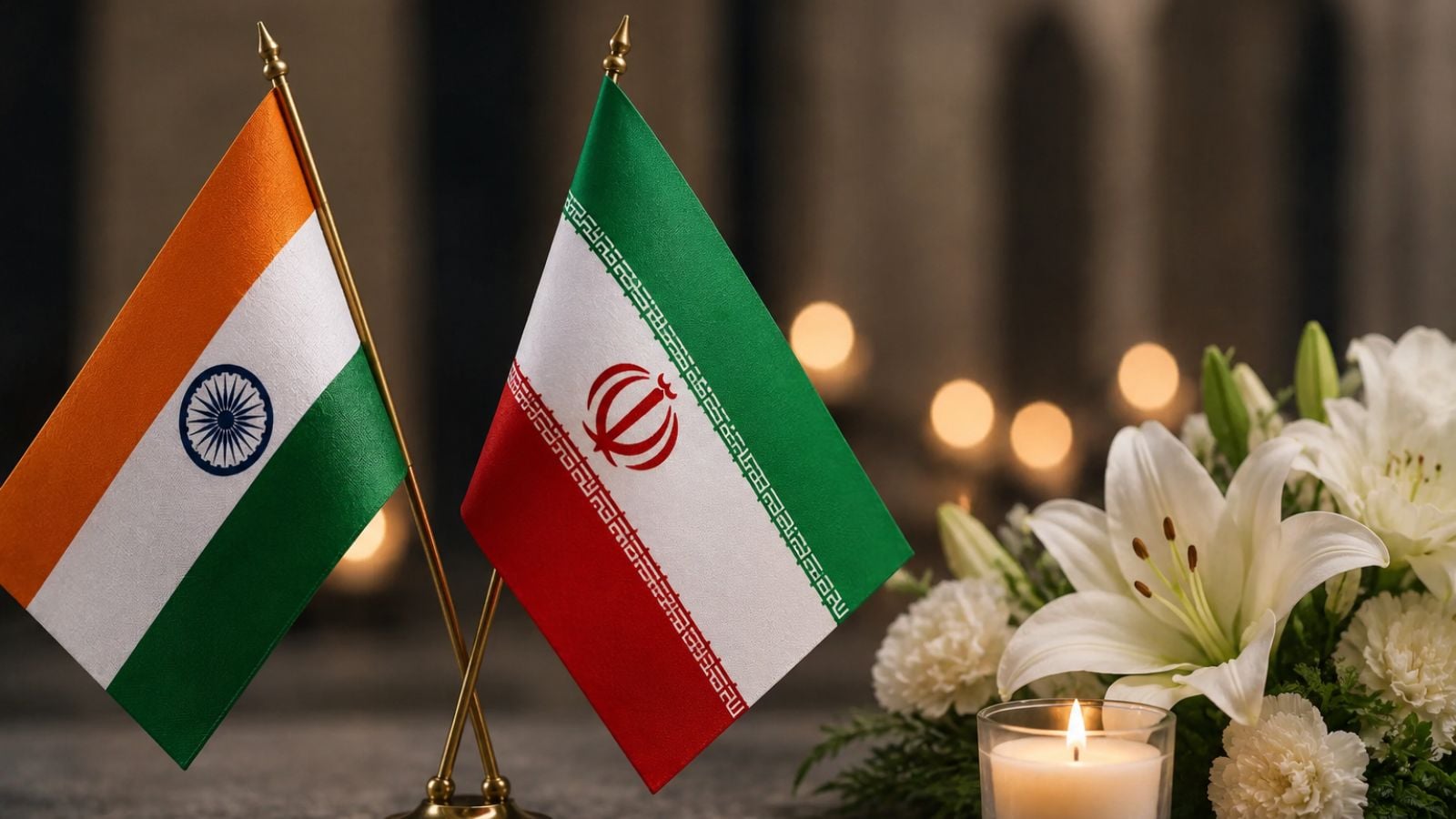
India decided to send a minister and a governor to the state funeral of Iran's late Supreme Leader Ayatollah Ali Khamenei. The decision raised eyebrows in diplomatic circles. Some experts expected a higher-level presence given the decades-old ties between New Delhi and Tehran. Prime Minister Narendra Modi skipped the event due to prior overseas commitments. This left Minister of State for External Affairs Pabitra Margherita and Bihar Governor Lt. Gen. Syed Ata Hasnain (retd) to lead the Indian delegation.
The move shows how New Delhi balances its complex foreign relationships. It handles the delicate geopolitics of the Middle East while maintaining vital connections. If you found value in this piece, you might want to check out: this related article.
The Strategic Balance Behind India to Send Minister Governor to Ali Khamenei Funeral
Choosing who represents a country at a foreign leader's funeral is never accidental. It is a carefully calibrated message. Iran formally invited Prime Minister Modi to the ceremonies spanning multiple cities from July 4 to July 9. Modi opted out. He is scheduled to travel to Indonesia, Australia, and New Zealand instead.
Diplomat Talmiz Ahmad, India's former Ambassador to Saudi Arabia, expressed deep disappointment with the selection. He noted that Ayatollah Khamenei held a unique position. He met every Indian prime minister over the last forty years. Sending a minister of state and a provincial governor feels like a step down to some veteran observers. For another perspective on this development, check out the latest coverage from Al Jazeera.
But looking closer reveals a deliberate strategy. Bihar Governor Syed Ata Hasnain is a retired Lieutenant General. He commanded military operations in Kashmir. He is also a prominent face from India's Shia community. Sending him acknowledges Iran's position as a major Shia power. It directly honors the shared cultural connections between the two nations.
Why the Timing of This Funeral Complicates New Delhi Relations
Ayatollah Ali Khamenei ruled Iran for 36 years. His death followed military strikes on Tehran on February 28. This plunged the region into deeper uncertainty. India relies on the Middle East for energy. It also depends on the region for trade routes like the Chabahar port.
New Delhi has to walk a fine line. It wants to keep ties with Iran stable. At the same time, it cannot alienate Washington or Tel Aviv. By sending Pabitra Margherita and Governor Hasnain, India shows respect without making a massive geopolitical statement. It satisfies the need for official representation. It avoids the intense scrutiny that a prime ministerial visit would bring.
Practical Takeaways for Tracking India Middle East Policy
Geopolitics affects businesses, energy markets, and international trade. Watching how India handles these diplomatic events gives clues about future policy directions. Here is what you should watch next.
Monitor progress on the Chabahar Port agreement. India signed a long-term contract to develop this Iranian port recently. See if the delegation's visit leads to any quick follow-up meetings regarding this shipping hub.
Watch India's defense and maritime security statements in the Gulf region. The situation remains volatile. Any shift in how India protects its commercial vessels will signal its true stance on regional stability.
Track upcoming bilateral visits with Gulf Cooperation Council countries. Modi's travel schedule tells you where India's immediate economic priorities lie.
Diplomacy is about subtle signals. New Delhi just sent a clear one.