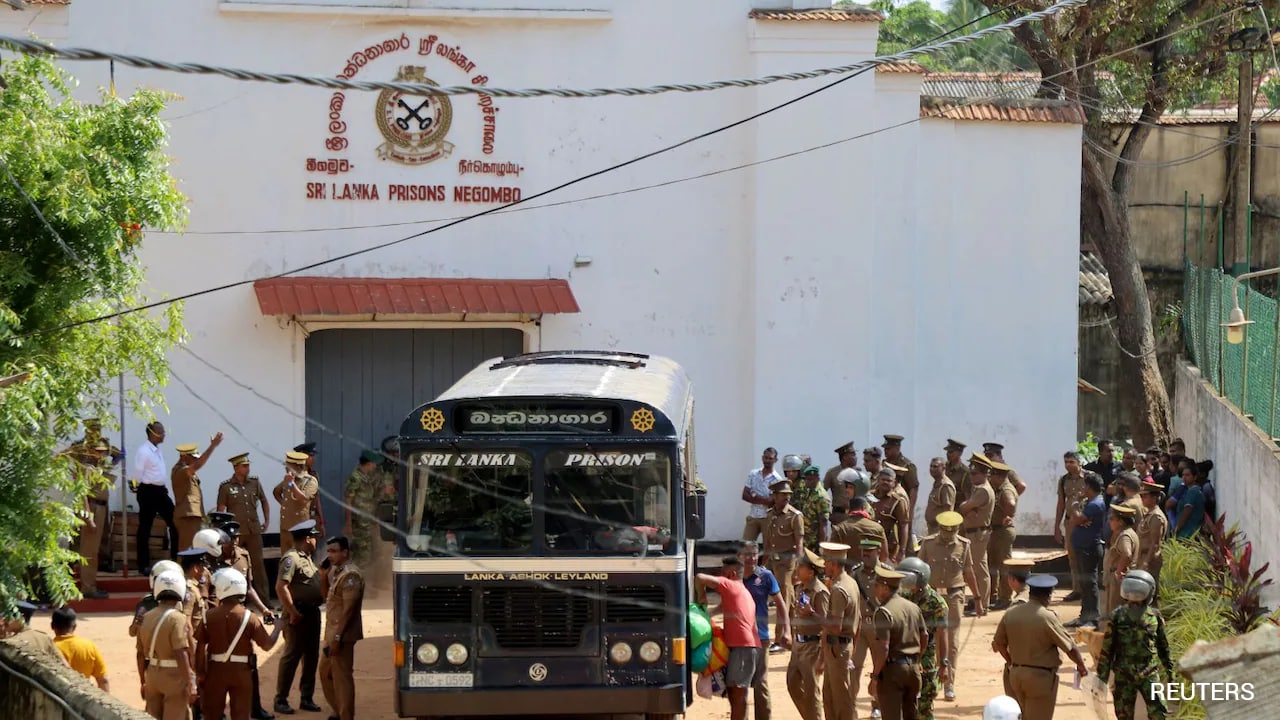
A peaceful final resting place shouldn't require an armed security detail. Yet, that's exactly what happened when authorities laid to rest an elderly Indian national killed inside a violent Sri Lankan correctional facility.
Unnikrishnan S, a 73-year-old man originally from Kerala who had spent over four decades building a life with his family in Chennai, died during a brutal prison riot in July. Weeks later, on September 2, his burial in Negombo took place under heavy police guard and at state expense, following directives from the Negombo Magistrate's Court. Representatives from the Indian High Commission in Colombo were also present to witness the sombre proceedings.
How did a senior citizen from South India end up caught in one of Sri Lanka's deadliest prison clashes, and why did his burial demand extraordinary security measures?
Unraveling the Journey to Negombo Prison
Unnikrishnan arrived in Sri Lanka on March 2, carrying no inkling of the nightmare awaiting him. Local authorities arrested him soon after on allegations of possessing ganja. He was subsequently remanded to the main correctional facility in the western coastal town of Negombo.
For months, the prison system had been teetering on the edge. When explosive violence erupted among inmates on July 5 and 6, Unnikrishnan was caught in the crossfire. The riot, driven primarily by bitter turf wars between rival drug factions, spiralled completely out of control. Severe overcrowding made it nearly impossible for prison guards to contain the chaos before it turned catastrophic.
By the time order was restored, the human toll was staggering. The clashes left 22 inmates and 10 prison officials dead, with roughly 100 others sustaining serious injuries.
The Search for Accountability in Court
The wheels of justice move slowly, but they are turning in Sri Lanka. The Criminal Investigation Department (CID) recently updated Chief Magistrate Shilani Perera on the ongoing judicial proceedings. Investigators formally handed over the clothes and footwear worn by Unnikrishnan at the time of his death to the court for detailed forensic analysis.
Legal accountability is moving forward through identification parades. Authorities paraded five suspects before the court, with another 11 scheduled for similar identification procedures. In total, 81 suspects face impending trials tied to the July violence.
Because the riot involved volatile factions and high-profile criminal elements, security remains tight around every facet of the case. That sensitivity directly dictated the police-protected burial, ensuring no further unrest disrupted the state-funded interment.
What This Tragedy Reveals About Regional Corrections
Incidents like this expose the terrifying reality of correctional facility management across South Asia. Overcrowding isn't just an administrative headache. It's a ticking time bomb. When facilities hold multiples of their intended capacity, oversight breaks down, gangs take control of cell blocks, and vulnerable inmates—regardless of the nature of their charges—pay with their lives.
For Unnikrishnan's family in Chennai, a routine trip across the Palk Strait transformed into an unimaginable grief. The Indian consular office continues to liaise with local authorities to ensure transparency as the criminal trial unfolds.
Check local consular updates if you or someone you know is navigating legal issues abroad, and always maintain direct lines of communication with diplomatic missions when citizens face detention overseas.