Trade numbers usually cause eyes to glaze over. Bureaucrats swap dry spreadsheets. Politicians throw around billion-dollar figures that mean nothing to anyone.
Then you look at what India and the United Arab Emirates pulled off in three years.
Non-oil trade between the two nations shot up by roughly 50 percent, hitting over $76 billion in 2025. Total bilateral trade crossed $101 billion during India's financial year. These aren't just incremental bumps. They represent a structural rewiring of how two major economies operate together.
The Quiet Engine Behind the Numbers
Back in February 2022, officials signed the Comprehensive Economic Partnership Agreement (CEPA). Critics shrugged. Trade pacts get signed every week, right? Most of them gather digital dust.
CEPA didn't do that.
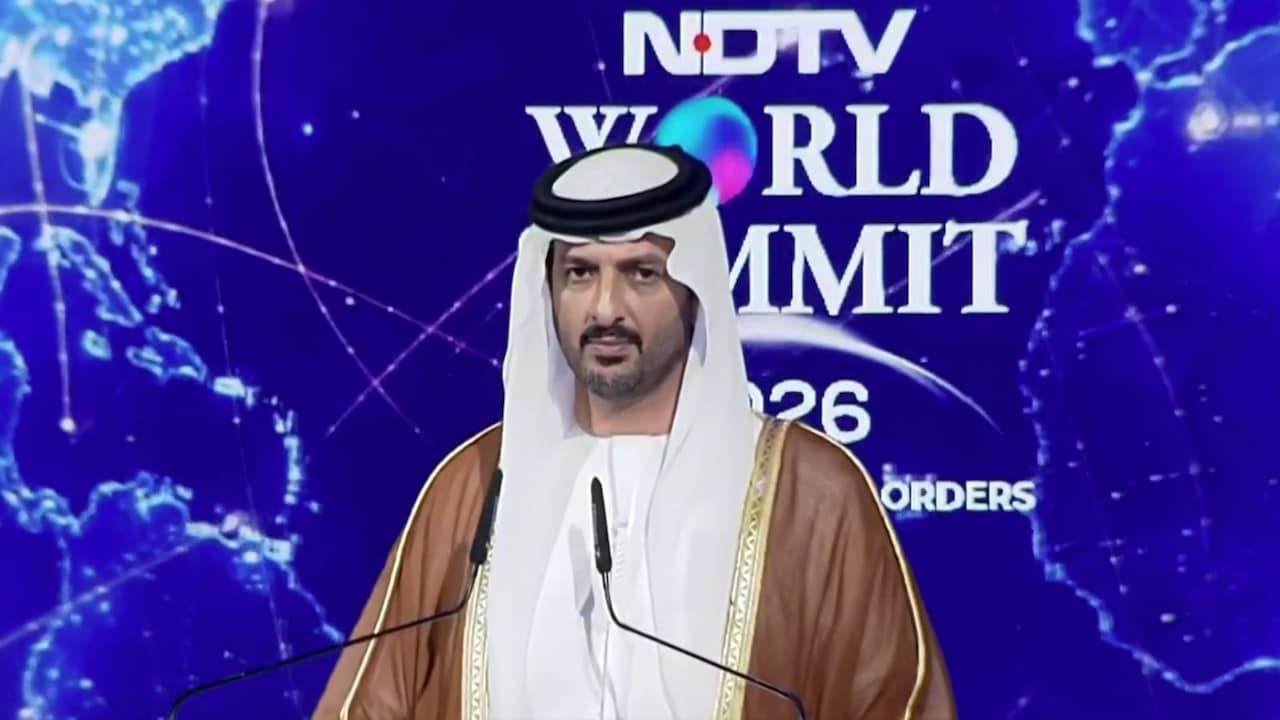
UAE Minister of Economy and Tourism Abdulla Bin Touq Al Marri pointed out at the NDTV World Summit that the agreement turned into an engine rather than a static station. Instead of waiting for bureaucratic rubber stamps, businesses on both sides seized the momentum.
Non-oil trade started at around $51 billion right after the agreement took effect. Climbing to $76 billion in just three short years proves that when tariff walls drop, private capital doesn't wait around for permission to move.
Looking Past Petroleum
For decades, the Gulf-to-Asia economic story was simple. Oil flowed one way. Cash flowed back.
That model is dying.
The real magic of the India-UAE trade surge is that it bypasses oil entirely. Both nations are intentionally diversifying. They are targeting advanced technology, logistics, food security, manufacturing, and energy transition.
India needs scale, young manufacturing talent, and domestic consumption growth. The UAE wants global logistics dominance, high-end financial services, and secure food supply chains. When you plug Indian software and manufacturing capacity into Emirati logistics hubs, you get a commercial corridor that spans Africa, Europe, and the Middle East.
The 2030 Roadmap
Governments love distant goals. They announce targets for twenty years out so current leaders can retire before anyone checks if they hit them.
India and the UAE set a hard target of $200 billion in bilateral trade by 2030.
Given that they already crashed through the $100 billion total trade milestone, that 2030 goal starts looking conservative. Al Marri noted that the relationship has grown so organic that it doesn't even need formal signing ceremonies anymore. That sounds like diplomatic spin until you watch private venture capital, logistics giants, and tech firms move capital between Dubai and Mumbai with zero friction.
What This Means for Global Markets
Global supply chains are fracturing. Protectionism is trendy again. Countries are building walls instead of bridges.
India and the UAE are proving the exact opposite strategy works. By doubling down on bilateral trust and lowering regulatory barriers, they created a blueprint for modern international trade.
If you're running a business, ignoring this corridor is a mistake. The growth here isn't theoretical. It's happening right now in port terminals, startup hubs, and industrial zones across both countries. Watch how these two economies hit that $200 billion target over the next four years. It will redefine trade routes for a generation.