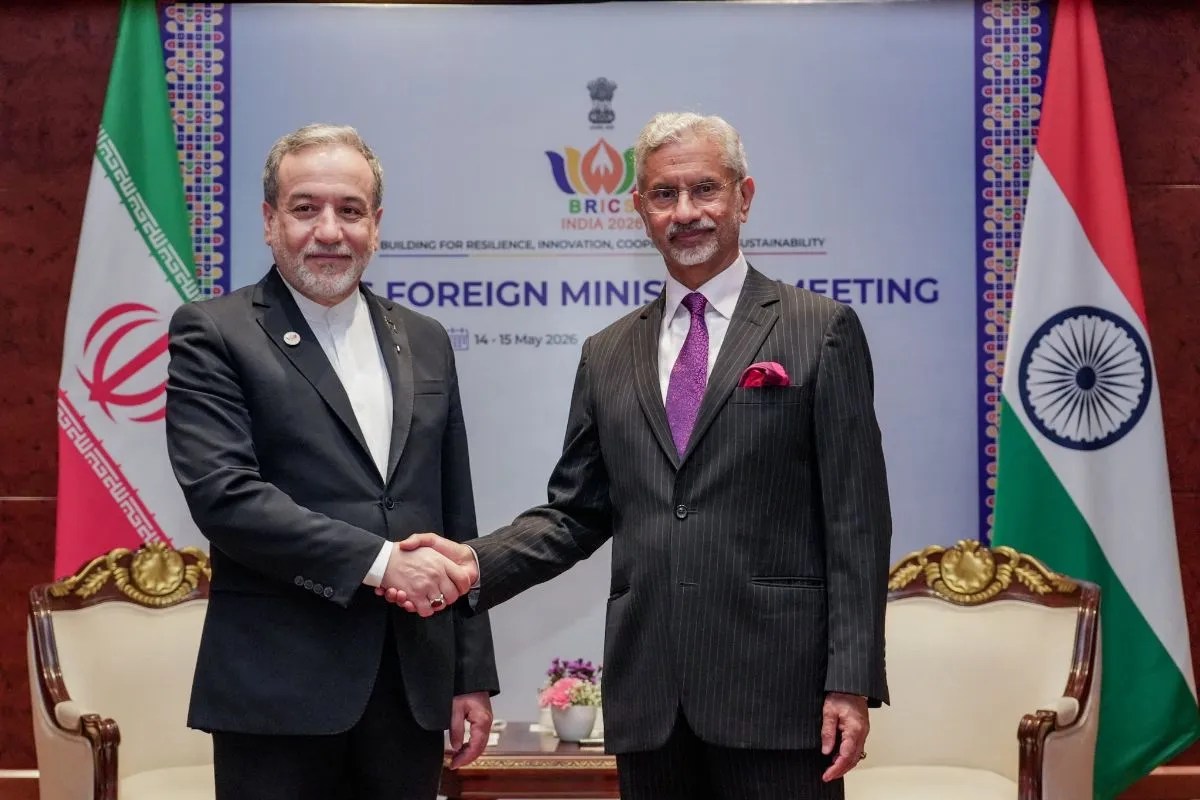
Commercial cargo ships aren't supposed to be battlegrounds. Yet, as escalating conflicts choke vital maritime lanes like the Strait of Hormuz, Indian seafarers are paying the ultimate price for regional wars they didn't start. External Affairs Minister S. Jaishankar didn't mince words when he picked up the phone to talk directly with Iranian Foreign Minister Abbas Araghchi.
India's message was blunt: attacks on commercial shipping and civilian crews must stop immediately.
The Cost of West Asian Crossfire
When missiles fly across the Persian Gulf and the Gulf of Oman, they rarely hit just military targets. They hit energy tankers, cargo carriers, and innocent crew members just trying to do their jobs.
Recent parliamentary updates revealed a grim tally. Since hostilities flared up in West Asia earlier this year, 16 Indian nationals—including 10 seafarers—have lost their lives due to regional conflicts. Another 75 have sustained injuries. These casualties span across multiple nations, from Oman and the UAE to Kuwait, Saudi Arabia, and Iraq.
For a country like India, which relies heavily on unobstructed maritime trade and energy imports through these chokepoints, this isn't just distant geopolitics. It's an immediate domestic security crisis.
Inside the Jaishankar and Araghchi Call
During their recent phone conversation, Jaishankar laid out New Delhi's stance without diplomatic sugarcoating. He made it clear that India condemns attacks on commercial vessels by any party, under any circumstance.
Araghchi offered Tehran's perspective on the ongoing regional developments and current discussions, but India's position remained firm. Dialogue and diplomacy are the only acceptable paths forward, but they cannot happen while merchant ships carrying Indian nationals turn into burning wreckage.
This conversation wasn't a standalone event. Just a day prior, Jaishankar held a similar hard-hitting discussion with Ukraine's Foreign Minister Andrii Sybiha regarding attacks on merchant vessels in the Black Sea. India is finding itself forced to play diplomatic defense on multiple fronts, protecting its sailors whether they are sailing near Odesa or navigating the Strait of Hormuz.
What India Is Doing on the Ground
Diplomatic phone calls are necessary, but they aren't enough to protect sailors at sea. The Indian government has had to implement aggressive operational safeguards:
- Tracking Dashboards: New Delhi rolled out specialized tracking systems to monitor every Indian seafarer operating in high-risk zones like the Persian Gulf and the Strait of Hormuz.
- Deployment Bans: Authorities restricted shipping companies from deploying Indian crew members on vessels actively transiting high-risk segments of the Strait of Hormuz.
- Evacuation Corridors: The Indian Embassy in Tehran has successfully facilitated the cross-border movement of over 2,500 Indian nationals out of Iran into safer neighboring territories like Armenia and Azerbaijan for repatriation.
- Strict Travel Advisories: Current directives urge citizens to postpone non-essential travel to Iran and advise anyone currently there to consider leaving via commercial flights while they remain available.
The Broader Reality
The safety of global supply chains depends entirely on freedom of navigation. When regional powers start viewing commercial tonnage as fair game, the global economy shatters piece by piece.
India has kept its lines of communication open with Tehran, Washington, and other key players, but patience is wearing thin. Protecting merchant mariners isn't up for negotiation.
If you or someone you know has family working on vessels in West Asian waters, keep a close watch on official Ministry of External Affairs advisories. Register with local embassies immediately if you find yourself stranded in conflict zones, and avoid ignoring travel restrictions. Diplomacy takes time, but survival requires immediate action.