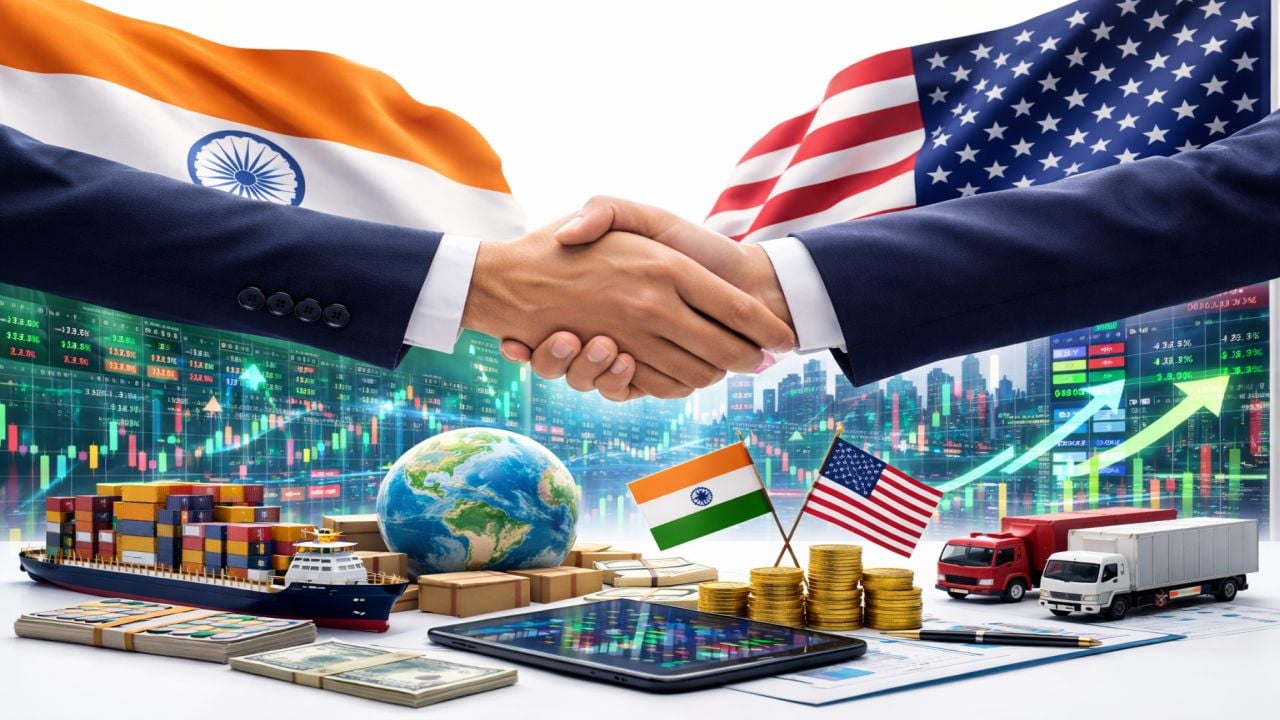
The clock is ticking for Indian exporters, and the stakes couldn't be higher. This week in New Delhi, US Trade Representative Jamieson Greer and Indian Commerce Minister Piyush Goyal are locking themselves in a room to hammer out the first phase of a Bilateral Trade Agreement (BTA). They don't have all summer. A ticking deadline of July 24 is forcing both sides to move fast.
If you think this is just another routine diplomatic meet-and-greet, you're missing the real story. This negotiation is about survival in the American market, especially as India tries to outmaneuver aggressive trade rivals like Vietnam and Bangladesh.
The July 24 Cliff
Why is everyone sweating over July 24? Back on February 24, 2026, the Trump administration slapped a temporary 10% tariff on basically all global trading partners. That blanket levy was designed to last for exactly 150 days. When it expires next month, the US needs a brand new tariff system.
Before this global 10% tax, the tariff landscape looked like wild chaos. The US Supreme Court actually struck down Donald Trump's original plan to use the International Emergency Economic Powers Act (IEEPA) to charge India a massive 50% reciprocal tariff. That court ruling forced Washington to reset. Right now, everyone pays the same flat 10% premium over standard rates. But when that expires, India wants to make sure it isn't lumped in with the rest of the world.
The Secret Weapon Is Comparative Advantage
Honestly, India isn't just looking for lower tariffs. It's looking for an edge over its neighbors.
In the initial framework agreed upon in February, India thought it had a sweet deal. The US was going to drop tariffs on Indian goods to 18%. Crucially, that was a point or two lower than what competitors like Vietnam or other ASEAN nations were expected to face. That tiny difference means billions of dollars in shifting supply chains.
Because the temporary US regime flattened everything to a standard 10% extra charge, Indian goods lost that special advantage. Goyal admitted this week that India is actively working to ensure its exporters secure a structural comparative advantage. If Vietnamese textiles or electronics face higher duties than Indian ones, New Delhi wins big. If they face the same rates, India loses its momentum.
The Threat Of Section 301 Probes
Washington isn't just handing out discounts. Greer is bringing serious leverage to the table in the form of two ongoing Section 301 investigations.
One of these probes targets global excess industrial capacity. The other focuses on forced labor in global supply chains. Just a few weeks ago, the USTR threatened to hit 54 countries—including India—with a 12.5% tariff over alleged failures to eliminate forced labor.
India needs to negotiate its way out of that crosshair. In exchange for tariff relief, the US expects India to buy a lot more American goods and lower its own notoriously high domestic trade barriers. It's a classic Trump-era transactional negotiation.
What Is On The Table Right Now
The numbers show why both sides are treating this like an emergency. The US is India's second-largest trading partner. Look at the balance sheet from the last fiscal year:
- Indian exports to the US hit $87.3 billion.
- Indian imports from the US jumped nearly 16% to $52.9 billion.
- India walks away with a fat $34.4 billion trade surplus.
Washington wants to shrink that surplus. India wants to protect its $87 billion export engine. The February framework already saw the US remove a 25% penalty tariff that had been slapped on Indian goods linked to purchases of Russian oil. Now, the final tweaks are all about keeping Indian goods cheap enough to win the retail war on American store shelves.
Concrete Steps For Businesses To Take Now
Don't wait for the final press release to protect your business. If your supply chain relies on India-US trade, take these steps immediately:
- Audit your labor compliance. With the US actively using the forced labor probe as a tariff weapon, ensure every tier of your Indian manufacturing supply chain has airtight documentation.
- Model your pricing at an 18% baseline. Do not count on the current 10% temporary rate lasting past July 24. Re-calculate your margins assuming an 18% tariff structure for Indian imports.
- Monitor the July 7 hearings. The USTR is holding public hearings on the proposed 12.5% forced labor penalty. Watch the testimonies closely to see if India secures a carve-out or an exemption before the July 24 transition.