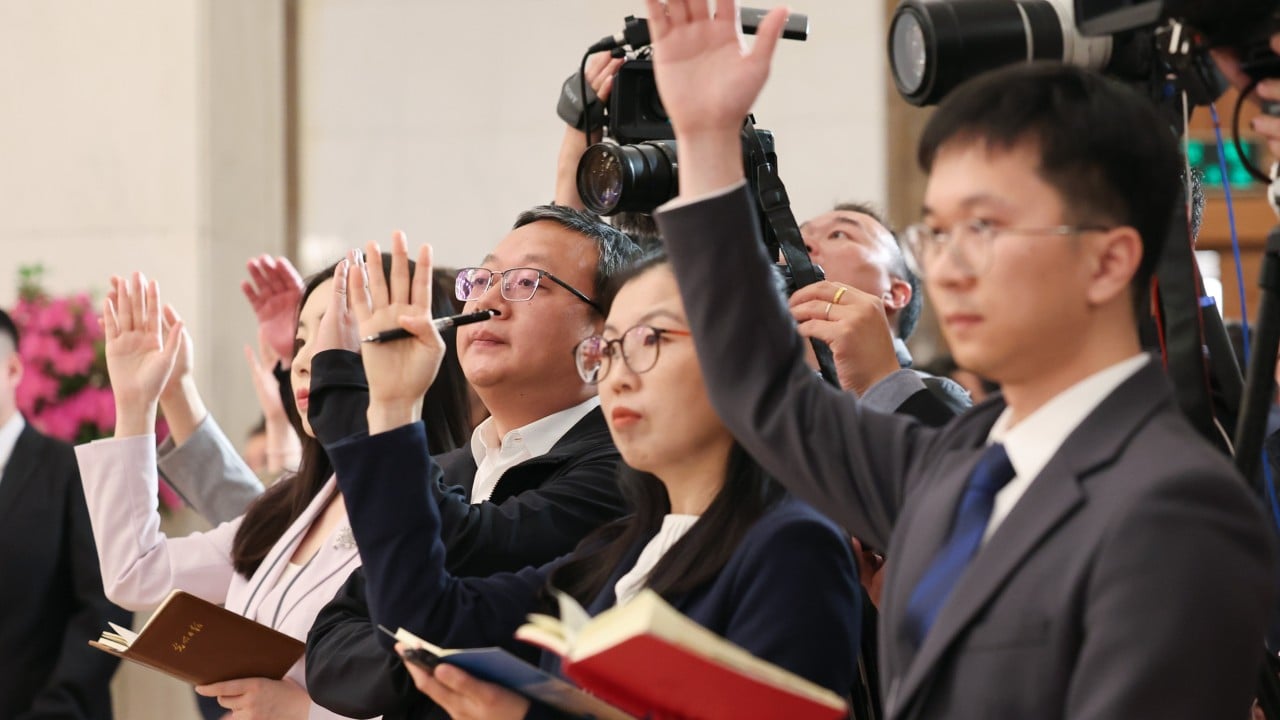
The media blackout between the world's two most populous nations might finally be thawing. For three years, India and China have operated in a near-total journalistic vacuum. Neither side has permitted the other's reporters to ground themselves on their soil. It is a dangerous blind spot for two nuclear-armed neighbors.
Recent whispers from diplomatic corridors suggest a shift. Indian embassy officials in Beijing recently sat down with representatives from China's state-run Xinhua News Agency. The main topic on the table was figuring out a way to let Chinese journalists return to India.
Do not expect a sudden flood of reporters crossing the border tomorrow. People familiar with the matter call this an initial engagement. It is a slow, tedious ice-breaking exercise. Substantive progress on restoring visas will take time. Still, the fact that both sides are talking about media access after years of frozen silence is a massive deal.
To understand why this matters, you have to look at how we got here. The media purge was not an isolated spat. It was the direct fallout of a deteriorating geopolitical relationship that started with real blood on the Himalayan border.
The Long Road to a Total Media Blackout
The current diplomatic mess did not happen overnight. The relationship nosedived in May 2020. A deadly military clash in the Galwan Valley left 24 soldiers dead. It broke a decades-long streak of relative peace along the Line of Actual Control.
After the border clash, everything changed. Economic ties cooled. New Delhi banned hundreds of Chinese apps. Investment proposals faced intense scrutiny. The media space became the next battleground.
Before 2020, more than a dozen Chinese journalists lived and worked in India. By early 2023, that number plummeted to just one. New Delhi simply refused to renew visas for state media reporters. In response, Beijing retaliated. They froze visas for the remaining Indian correspondents living in China.
By the summer of 2023, the count dropped to zero on both sides.
India argued that Chinese reporters faced no unfair restrictions but had to follow local laws and visa guidelines. They also pointed out that Indian journalists in China faced severe hurdles. Beijing barred Indian reporters from hiring local citizens as research assistants or correspondents. They restricted their travel. They monitored their movements.
China hit back with accusations of discrimination. They claimed India treated Chinese media outlets unfairly by issuing ultra-short three-month visas instead of standard one-year terms. The blame game resulted in a complete information shutdown. Two superpowers suddenly had no eyes or ears on each other's ground.
Moving Beyond the Himalayan Standoff
The recent meeting between Indian diplomats and Xinhua officials shows that both capitals realize the status quo is unsustainable. You cannot manage a complex border dispute when you do not even allow basic reporting from each other's capitals.
The timing of these talks is highly strategic. It comes right as senior leadership attempts to stabilize broader communication channels. Just days ago, Chinese Foreign Ministry officials confirmed that communication channels on border-related issues remain open. Both nations are currently prepping for the 25th round of talks between their Special Representatives on the Boundary Question.
Chinese Foreign Minister Wang Yi also met with India's National Security Advisor Ajit Doval in New Delhi during a BRICS gathering. The message from those high-level rooms was clear. Both sides need to speed up the restoration of dialogue mechanisms.
Allowing journalists back in is the easiest way to show good faith without giving up territory. It is low-hanging diplomatic fruit. If you can agree on visas for reporters, you build a tiny bit of trust. That trust is necessary for tackling the harder issues like troop disengagement along the icy peaks of Ladakh.
What Most Analysis Gets Wrong About the Visa Fight
Most commentators treat this visa war as a simple tit-for-tat media dispute. That is a lazy take. The real issue runs much deeper. It is about national security, propaganda management, and deep structural distrust.
New Delhi views Chinese state journalists through a specific lens. They do not see them as independent reporters chasing stories. They see them as extensions of the Chinese state. When a Xinhua or CGTN reporter travels around India, Indian intelligence agencies watch them closely. In 2017 and 2021, India quietly forced out Chinese media personnel after accusing them of venturing into sensitive regions or meeting with unauthorized groups under the guise of reporting.
Beijing operates on a different logic. They want reciprocity. If Indian journalists can move freely in Delhi, Beijing expects its reporters to have the same access. They view India's strict visa renewals as an intentional political insult meant to please domestic audiences.
This clash of institutional mindsets means a quick resolution is unlikely. India wants assurances that its journalists can work in China without crippling restrictions on local hiring and regional travel. China wants India to stop treating its state media employees like potential security risks.
The High Cost of Knowing Nothing
Living in an information vacuum carries a heavy price. Right now, Indian newspapers rely on Western wire services or secondhand accounts to report on China's economy and political shifts. Chinese citizens see India through highly filtered state-approved prisms or sensational social media videos.
When your only source of information about a rival neighbor is filtered through a third party, misunderstandings happen. Small border skirmishes can quickly escalate because neither public has a clear, nuanced picture of what is happening on the other side.
Restoring the physical presence of journalists matters. A reporter on the ground can sense the public mood. They can talk to ordinary citizens, visit local markets, and understand the internal political pressures driving foreign policy decisions. You cannot replicate that kind of insight by reading press releases from an office in Washington or London.
The Reality of the Current Negotiations
Do not mistake these recent talks for a grand reconciliation. The relationship remains incredibly fragile. Prime Minister Narendra Modi has stated repeatedly that peace on the border is the non-negotiable foundation for normal relations with China. Ties can only progress based on mutual respect and sensitivity.
The initial engagement between the Indian embassy and Xinhua is a test balloon. It is an attempt to see if a small, technical agreement can survive the domestic political pressures in both countries.
If these talks progress, we will likely see a highly managed, reciprocal return of reporters. India might grant a couple of visas to specific state media representatives. China will match that number exactly for Indian state or mainstream media outlets. It will be tightly controlled. The days of expansive, unrestricted foreign bureaus in both capitals are gone for the foreseeable future.
What Needs to Happen Next
If you are tracking the geopolitical dynamics of South Asia, watch the upcoming 25th round of boundary talks closely. Media access will be a reliable bellwether for the broader relationship.
Look out for these specific markers over the next few months to see if the talks are actually working
- Short-term visa issuance Watch if India issues limited three-month or six-month visas to a select group of Chinese state media personnel. This will signal a conditional green light.
- Reciprocal clearance Check whether Beijing simultaneously approves visa renewals for major Indian outlets like The Hindu or Press Trust of India.
- Lifting local hiring bans See if China relaxes its rules regarding local staff for foreign news bureaus. This remains a major sticking point for New Delhi.
If these markers don't clear, the talks will stall. The media blackout will continue, and the gap between these two massive neighbors will only grow wider.