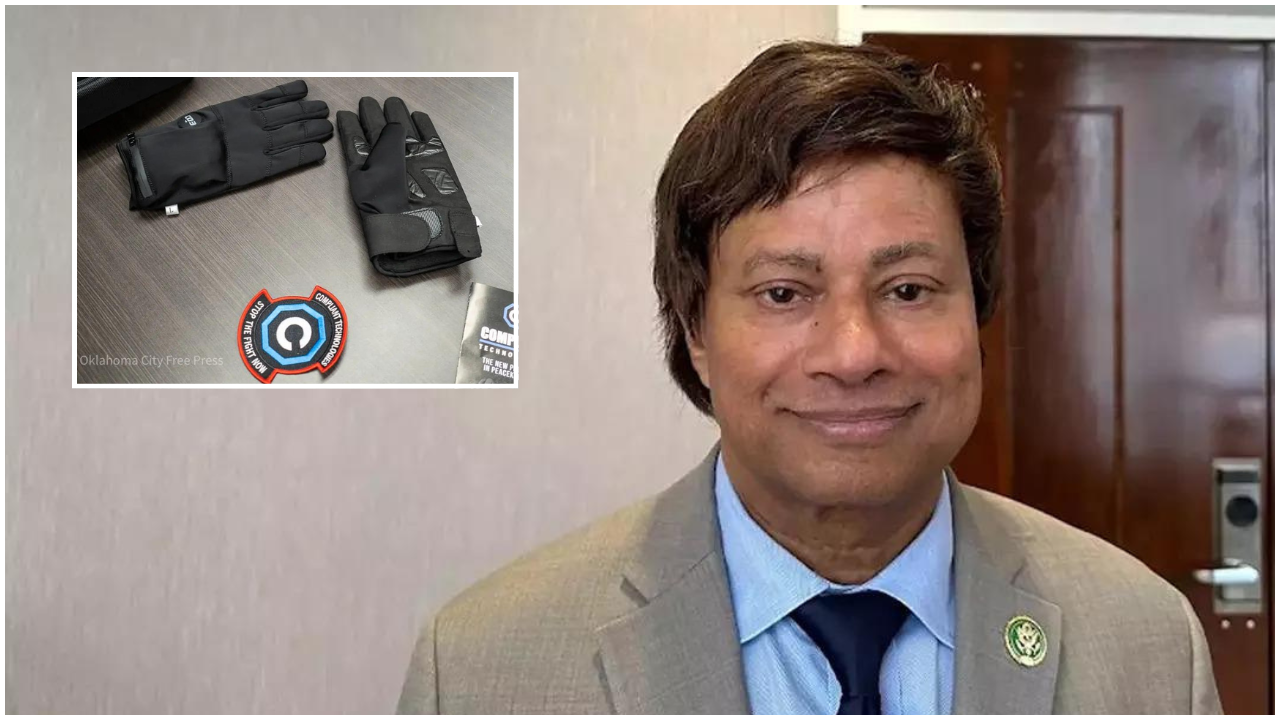
Give federal agents a glove that delivers an electric jolt directly through skin contact, and you invite immediate disaster. That is the core warning coming from Capitol Hill as Immigration and Customs Enforcement pushes forward with a multi-million dollar procurement plan.
Congressman Shri Thanedar, alongside fellow Democratic lawmakers Bennie Thompson and Lou Correa, sent a sharp letter to Homeland Security Secretary Markwayne Mullin demanding an immediate halt to the agency's acquisition of electric shock gloves. The project aims to spend up to $20 million equipping personnel with thousands of these high-voltage tools before March. Also making headlines in this space: Why The Tragic Khavda Hill Incident Forces Us To Confront Modern Digital Obsession.
What Are These Shock Gloves Exactly
The technology behind the proposal involves devices known as the GLOVE, standing for Generated Low Output Voltage Emitter. On the outside, they look and function like ordinary patrol gear. Press a hidden button, however, and the user can channel electricity directly into someone's bare skin to cause pain and force compliance.
Proponents inside the Department of Homeland Security label them as de-escalation tools. Officials point out that unlike traditional Tasers, these devices do not leave physical burn marks or contact scars. Yet, the manufacturer's own user manual explicitly warns that improper use could result in severe injury or death. The instructions strictly prohibit deploying them against vulnerable groups like pregnant women, the elderly, small children, or individuals with severe disabilities. They also forbid using the hardware for punishment, horseplay, or simple verbal defiance. More information on this are detailed by NBC News.
The Real Danger of Fast-Tracked Hires
Lawmakers aren't just worried about the equipment specs. They are terrified of the people wearing them.
During President Donald Trump's mass deportation push, federal immigration enforcement has faced fierce scrutiny over aggressive street tactics. Critics and civil rights groups point to numerous incidents involving pepper spray, dragged motorists, and fatal shootings. According to congressional critics, rushed hiring sprees have brought unqualified personnel onto the force with inadequate training on use-of-force protocols.
Giving a poorly trained agent a concealed pain-compliance tool is a recipe for disaster. When oversight is weak, hidden compliance gadgets easily morph into instruments of abuse.
Where the Procurement Stands Now
The contract window stretches toward March 2027, with millions of taxpayer dollars earmarked for the rollout. Civil rights advocates and congressional leaders want the Department of Homeland Security to freeze the purchase completely.
If you want to track how this unfolds, keep an eye on committee oversight hearings and DHS budget updates over the coming weeks. Accountability starts with stopping dangerous gadgets from reaching the streets.