Most people think a hurricane only poses a threat if the eye crosses your exact coordinates. That mistake gets homes destroyed and lives upended during Pacific storms.
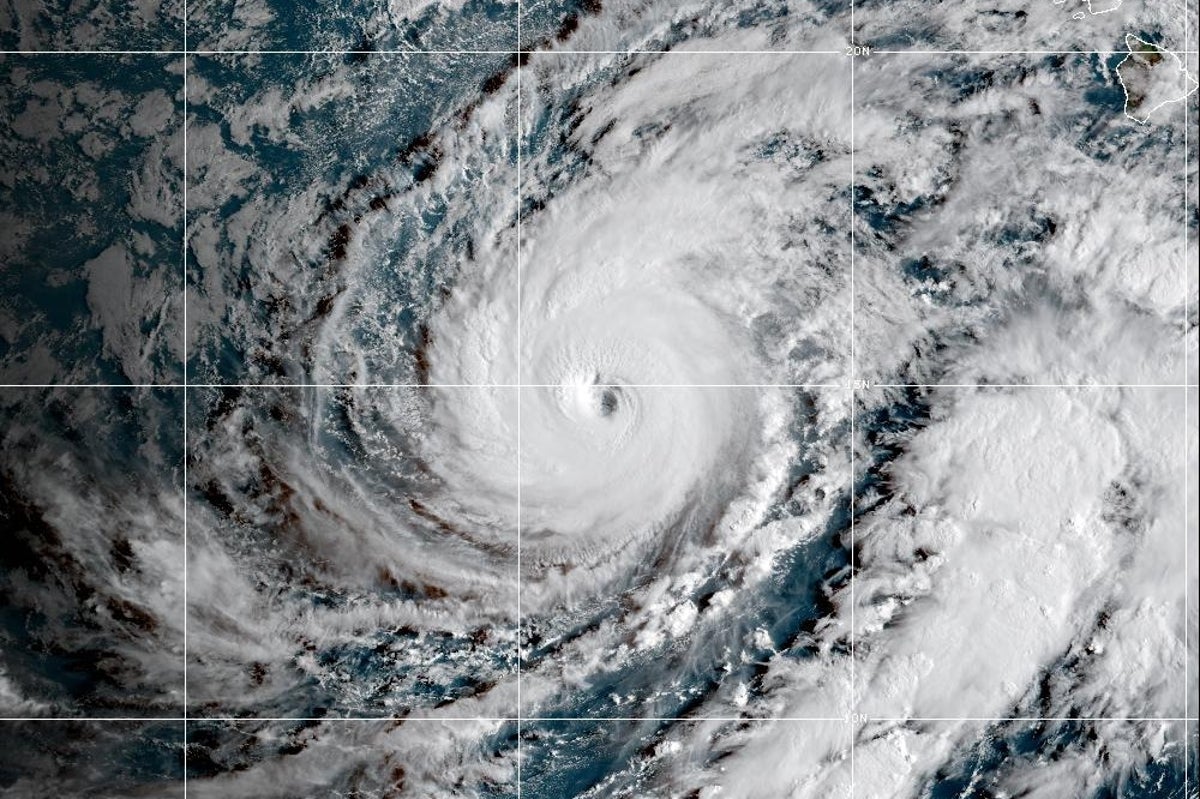
When a major hurricane like Hurricane Lowell tracks past an island chain, the danger doesn't vanish just because the center stays offshore. Right now, Kauai and Niihau are bracing for a serious punch as this Category 3 storm moves north-northwest. With maximum sustained winds hovering around 125 mph and torrential rain totals projected to hit up to 14 inches in isolated areas, the geography of Hawaii makes heavy precipitation a recipe for disaster. Steep mountain ridges act like vertical funnels, squeezing water out of storm clouds and dumping flash floods into narrow valleys before anyone has time to move.
Understanding the Real Threat Beyond the Wind
You look at a map, see a storm tracking to the west, and breathe a sigh of relief. Don't.
Hurricane-force winds extend outward up to 50 miles from Lowell’s eye, while tropical storm-force gales reach an impressive 175 miles. That wide footprint means outer bands pack enough muscle to snap utility poles, rip roofs off older construction, and drop massive tree limbs onto power lines.
Rain is the silent killer in these scenarios. When 6 to 10 inches of rain soak volcanic soil that's already saturated, hillsides let go. Mudslides don't knock politely. They barrel down ravines at highway speeds, wiping out access roads and trapping residents in isolated pockets. If you live on Kauai or Niihau, counting on a direct hit to measure danger is amateur hour. The atmospheric setup means the worst damage often happens miles away from the eye itself.
Practical Steps to Take Before the Power Fails
Emergency management agencies sound like broken records, but people still wait until the grocery store shelves are completely bare before panicking. I've watched locals scramble for bottled water while winds start howling outside, wishing they had acted two days earlier.
Stop waiting. If you live in an impact zone, take these precautions immediately:
- Fill every vehicle's gas tank and park them away from large eucalyptus or palm trees that love to drop heavy branches.
- Secure outdoor patio furniture, propane tanks, and loose tools that become lethal projectiles in 50 mph gusts.
- Stock up on manual can openers, non-perishable food, and enough drinking water to last several days without municipal service.
- Refill critical prescription medications now. pharmacies close fast when the power grid fails.
Local real estate managers and long-term residents know the drill by heart. Boarding up windows on western-facing exposures isn't just about wind protection; it's about keeping wind-driven rain from blowing straight through seals and ruining drywall, flooring, and electrical outlets.
The Broader Pacific Picture
It is not just Hawaii dealing with heavy weather dynamics right now. Down south and across the ocean lanes, storms like Hurricane Marie are spinning up dangerous swells that threaten coastal infrastructure thousands of miles away. While Marie stays further out, tracking parallel to the Baja California peninsula, the ripple effects show how interconnected Pacific marine weather truly is. Swells push northward, creating life-threatening surf and rip currents that catch tourists and beachgoers off guard.
If you are anywhere near the coastlines facing these swells, stay out of the water. Do not test nature when a Category 3 system is churning open waters upstream.
Hunker Down and Stay Put
When the bands hit, your best move is staying inside. Stay off the roads. Flash floods turn minor street crossings into raging torrents in minutes, sweeping away cars and drivers who think they can muscle through a few inches of water.
Charge every portable battery pack you own right now while the grid is stable. Check on your neighbors, especially elderly residents living alone who might struggle to secure their property or understand changing evacuation notices.
The storm will pass, but the cleanup takes weeks. Prepare your space, protect your family, and respect the raw power of the Pacific before it forces you to learn a hard lesson the hard way.