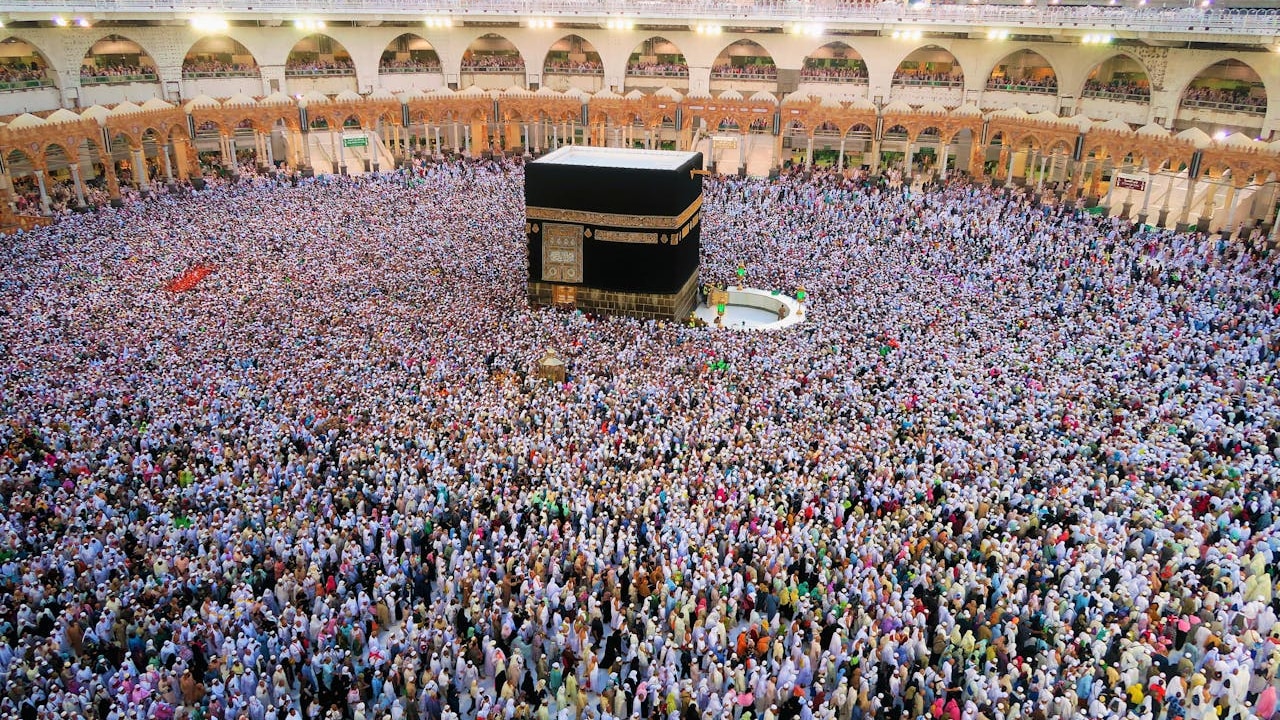
Sirens pierced the evening air across Saudi Arabia's western coast, carrying a weight that history had never witnessed before. Mecca, Islam's holiest city and a sanctuary that draws millions of pilgrims annually, was put on an air raid alert. For a nation accustomed to shielding its southern border regions from cross-border skirmishes, the sound of aerial threat warnings echoing near the Grand Mosque marked a grim psychological threshold.
The immediate trigger was a Houthi-launched drone intercepted south of Mecca before it could penetrate prohibited airspace. Yet, treating this incident as an isolated military interception misses the broader picture. The attack sits at the center of an escalating confrontation that threatens to redraw security red lines across the Middle East.
The Escalation Spiral
The optics of targeting Mecca carry profound political and religious consequences. When Saudi Arabia's civil defense network activated alarms across Mecca, Jeddah, and Taif, the message from Riyadh was unambiguous. The Organization of Islamic Cooperation labeled the strike a heinous provocation, declaring the security of the Two Holy Mosques an absolute red line.
On the other side, Houthi leadership dismissed the Saudi narrative as fabrication. But words matter less than the trajectory of the battlefield. Over the past week, the Iran-backed movement unleashed some of their heaviest missile and drone volleys in years. Energy infrastructure took hits, dozens of people suffered injuries, and regional shipping lanes faced renewed peril.
When a conflict shifts from remote border skirmishes to aerial alerts over sacred urban centers, civilian panic multiplies. People want to know what this means for their safety, travel plans, and the stability of global energy markets.
Why Strategic Chokepoints Matter More Than Ever
Beyond the immediate defense of holy sites, the wider campaign centers on vital maritime arteries. The Bab al-Mandab strait, a narrow maritime chokepoint connecting the Red Sea to the Gulf of Aden, handles an immense share of international cargo and oil shipments. When the Houthis declared a naval blockade against Riyadh and targeted commercial vessels, global trade stakeholders took notice.
Regional neighbors watched with growing anxiety. Qatar issued warnings that shutting the strait would spell economic catastrophe for the entire world. Energy markets react instantly to supply disruptions, and any sustained threat to Red Sea traffic rippled straight through international shipping insurance rates and fuel costs.
The Limits of External Protection
For years, Riyadh relied heavily on long-standing security partnerships with Western powers to deter aerial threats. Yet the geopolitical math is shifting. Reports indicate that Washington turned down recent requests from Saudi leadership for direct military intervention, leaving the Kingdom to reassess its strategic playbook.
Saudi security planners are now looking toward broader coalitions, engaging partners like France, Britain, and Pakistan to bolster defense postures. But foreign assistance has limits when asymmetric warfare relies on low-cost, mass-produced drones and ballistic hardware. Intercepting every incoming projectile drains financial and military resources at an unsustainable rate.
What Comes Next for the Region
The reality on the ground is stark. Modern air defense systems like Patriot batteries provide a vital shield, but technology alone cannot resolve a deeply entrenched civil war and proxy conflict. As diplomatic channels strain under the weight of mounting casualties and broken ceasefires, the path to de-escalation remains narrow.
If you're tracking these developments, keep a close eye on Red Sea shipping security indicators and emergency diplomatic talks in the Gulf. The normalization of air alerts over Mecca signals a dangerous new phase where no region remains insulated from the fallout of protracted regional warfare. Stay informed, monitor official travel advisories before planning pilgrimages, and watch how international maritime coalitions respond to ongoing disruptions.


