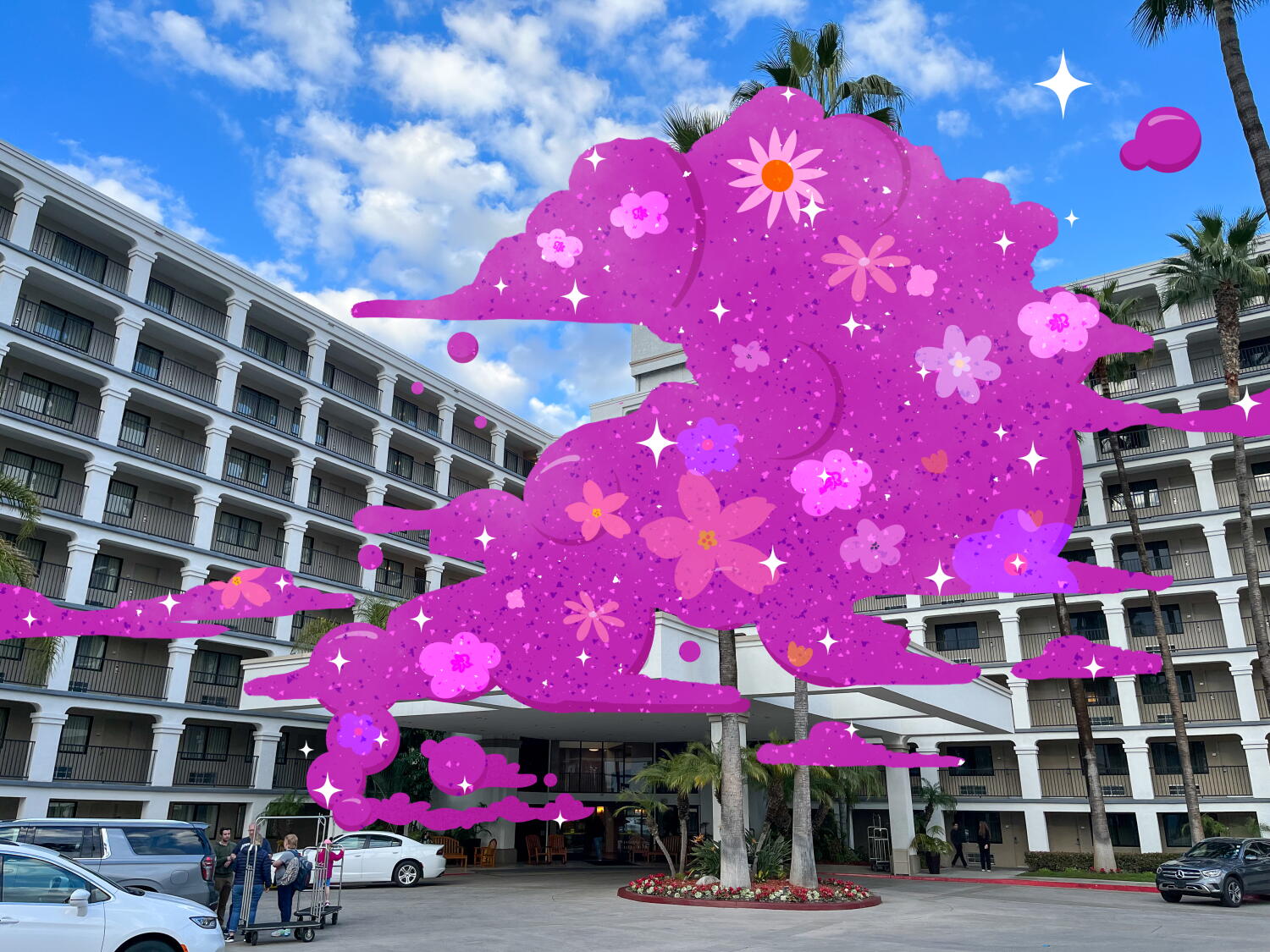
You step past the sliding glass doors of a California resort, ready to unwind. Instead of sea breeze, you're hit with a wall of heavy, manufactured white tea and fig scent. Within minutes, your throat tightens, a dull ache begins behind your eyes, and your vacation is off to a miserable start.
That aggressive wave of aroma isn't an accident. Major hospitality brands spend millions engineering signature scents to make you feel pampered the second you check in. But that heavy aerosol cloud is now triggering a massive wave of litigation. Plaintiffs across California are taking hotel chains to court, arguing that ambient scenting systems violate disability laws and basic public health safety.
If you've ever had to wash your entire suitcase because your clothes absorbed the lobby air, you know this problem is real. Let's look at why these lawsuits are happening and what they mean for the future of travel.
The Hidden Cost of Sensory Branding
Hotel marketing departments love scent diffusion. HVAC-integrated delivery systems and standalone nebulizers pump high concentrations of synthetic oils into public areas 24/7. To branding executives, it creates an immersive luxury experience. To people dealing with chemical sensitivities, asthma, or migraines, it creates a hostile environment.
Legal teams have started filing class actions under the Americans with Disabilities Act (ADA) and California's strict Unruh Civil Rights Act. The argument is straightforward: pumping toxic volatile organic compounds into enclosed public spaces effectively locks out travelers with disabilities. When a guest cannot enter a lobby or check-in desk without risking an asthma attack or severe neurological symptoms, hotels are failing their legal duty of equal access.
The problem extends past occasional guest complaints. Hospitality workers breathe these petroleum-based compounds for eight-hour shifts. Studies on sustained indoor exposure to high-output scent diffusers point to chronic respiratory and cardiopulmonary irritation. What looks like harmless luxury design is turning into an operational liability.
Breaking Down the Legal Battleground
Why is California ground zero for this pushback? The state features unique legal frameworks that make public accommodation claims powerful. The Unruh Act provides statutory damages for individuals who experience discrimination based on medical conditions and disabilities, lowering the barrier for class action filings against corporate negligence.
Hotels are defending their practices by pointing to guest satisfaction surveys that historically favor pleasant-smelling properties. Yet, hospitality lawyers note that the industry ignored warning signs for years. When guests complain about a room or an amenity, staff usually offer a fix. When guests complain about synthetic smells, front-desk staff often roll their eyes or claim the property is entirely "scent-neutral."
That disconnect is driving frustrated travelers to lawyers. Corporations are finding that courts are no longer buying the defense that air fresheners are merely decorative.
What This Means for Your Next Trip
If you travel frequently and suffer from chemical sensitivities, the current legal shift might finally force hotels to clean up their act. Properties are beginning to evaluate their HVAC scent setups and look into truly hypoallergenic alternatives, though progress is slow.
You shouldn't have to medicate just to check into a booked room. Until hotels overhaul their sensory branding strategies, protecting yourself requires a bit of pre-trip strategy. Always call properties ahead of time to ask if they utilize automated lobby diffusers, and request a room situated away from main ventilation returns.
Hotels wanted their signature scents to leave a lasting impression. Right now, the impression they're leaving in court is costing them plenty.