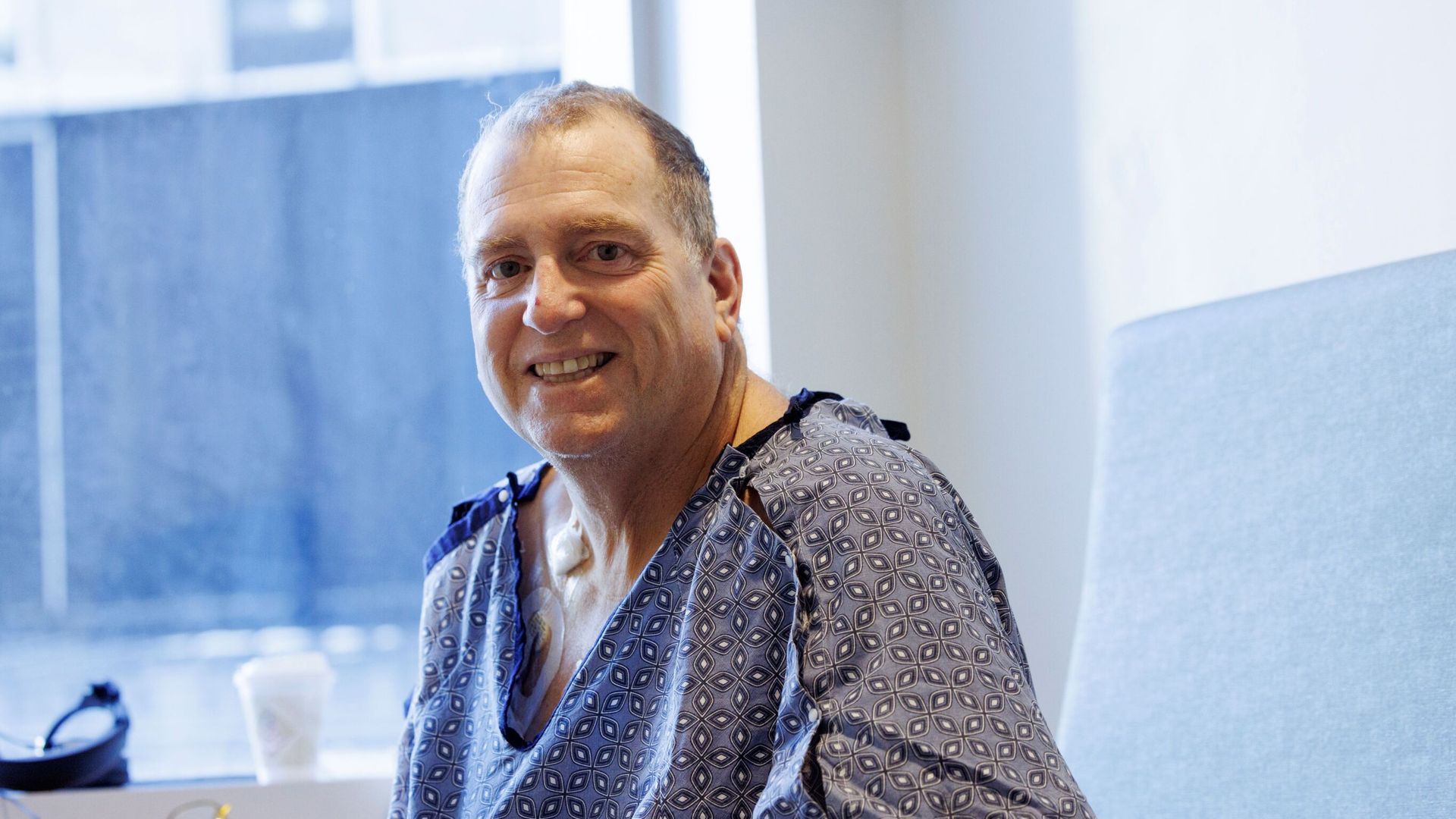
If you want an eye-opening look at regional healthcare costs, skip the financial reports and look at the waiting room of an oncology department in Shenzhen. Walk into a private international facility like the New Frontier United Family Hospital near the Futian checkpoint, and you will notice something striking. Roughly eighty percent of the patients in the cancer ward aren't from Guangdong. They're from Hong Kong.
They aren't crossing the border for a cheap dental cleaning or an off-the-shelf cough syrup. They are traveling north for targeted lung cancer therapy, advanced diagnostics, and major specialist treatments. For years, the conventional wisdom held that Hong Kong's medical system was the gold standard of the region. But skyrocketing private clinic fees and endless public hospital waiting lists have shattered that assumption.
The Staggering Price Math Behind the Northbound Migration
Let's look at the numbers because they explain the entire trend. A comprehensive executive health screening package at a private clinic in Central can easily run anywhere from eight thousand to fifteen thousand Hong Kong dollars. Head across the border to a Tier 3A hospital or a high-end private facility in Shenzhen, and you get an equivalent or more exhaustive workup—including low-dose chest CT scans and advanced cancer markers—for a fraction of the cost, usually landing around three thousand to five thousand Hong Kong dollars.
Prescription drugs tell an even starker story. First-, second-, and third-generation targeted lung cancer therapies in mainland China often cost less than twenty percent of their Hong Kong equivalents. For identical medications produced by the exact same global pharmaceutical companies, the regional pricing gap defies simple logic.
Why does this happen? Centralized procurement policies and aggressive government drug-negotiation frameworks across the border have systematically driven down the cost of generic and off-patent medications. Meanwhile, multinational pharmaceutical firms price their drugs based on local economic purchasing power. When you multiply those savings across a year-long course of treatment, staying in Hong Kong starts to look like a financial penalty for living in an expensive city.
Speed and Access Matter More Than Local Loyalty
Cost is only half the equation. Speed is what tips the scale for patients facing acute or life-threatening diagnoses.
Public hospital queues in Hong Kong for non-emergency specialist consultations can stretch for months or even years. Even in the private sector, getting scheduled for complex imaging, endoscopies, or specialized treatments often requires weeks of waiting. When you are dealing with a cancer diagnosis, waiting weeks for a scan or a drug approval feels agonizing.
Mainland hospitals have dramatically modernized their operational workflows. Digital appointment booking via WeChat mini-programs or hospital apps allows patients to secure slots with minimal friction. Furthermore, mainland regulatory agencies have accelerated the approval timeline for innovative domestic and international therapies. Breakthrough oncology drugs are frequently approved and launched in the mainland market ahead of other regional hubs.
If a patient needs immediate access to a newly approved immunotherapy treatment, traveling north isn't just about saving money. It is about getting the treatment at all, rather than waiting on a bureaucratic backlog.
Navigating the Practical Realities of Cross-Border Healthcare
Anyone thinking about heading north needs to understand that cross-border healthcare requires logistical preparation. It isn't a casual weekend trip to a night market.
You need to organize your medical history meticulously before departure. Bring physical copies or digital scans of past test results, imaging reports, and a complete list of current medications with their generic English names. While you don't need a passport if you hold a Hong Kong Identity Card (HKID) and a Home Return Permit, your identification must be up to date for smooth hospital registration.
Choosing the right facility matters immensely. Patients generally choose between three distinct tiers:
- Local public Grade 3A hospitals, which offer massive patient volumes, highly experienced veteran physicians, and subsidized pilot schemes like the University of Hong Kong-Shenzhen Hospital.
- High-end private international facilities, which cater directly to cross-border patients with English-speaking staff and familiar concierge models.
- Specialized dental, dermatology, or wellness clinics clustered around major transit hubs like Lo Wu and Futian.
You also need to factor in transport logistics. Taking the East Rail Line straight to Luohu or Futian puts you within minutes of major medical centers. However, if you are undergoing a procedure that involves sedation, such as a gastroscopy or colonoscopy, you shouldn't travel back alone. Even though you can easily return to Hong Kong by dinner time, having a companion navigate the border crowds with you makes a world of difference.
The Shift in Public Perception
The stigma of seeking medical treatment across the border has evaporated. Five years ago, asking a doctor about cross-border options invited skepticism. Today, insurance providers offer direct-billing partnerships and specialized cross-border medical green channels because the market demand is undeniable.
Surveys indicate that a massive majority of Hong Kong residents have utilized cross-border medical services or intend to do so for routine screenings and specialist care. The government-backed pilot schemes allowing elderly healthcare vouchers to be used in selected mainland facilities have accelerated this normalization.
When medical care becomes a matter of basic economic survival and treatment timeliness, geographic borders matter less than outcomes. The doctors on both sides follow the same international clinical guidelines and medical literature. The difference is that one system operates with agonizing delays and inflated private markups, while the other offers rapid access at scale.
If you're staring down an expensive specialist bill or a six-month hospital waitlist in the city, look at your transit options. The next train north leaves every few minutes.