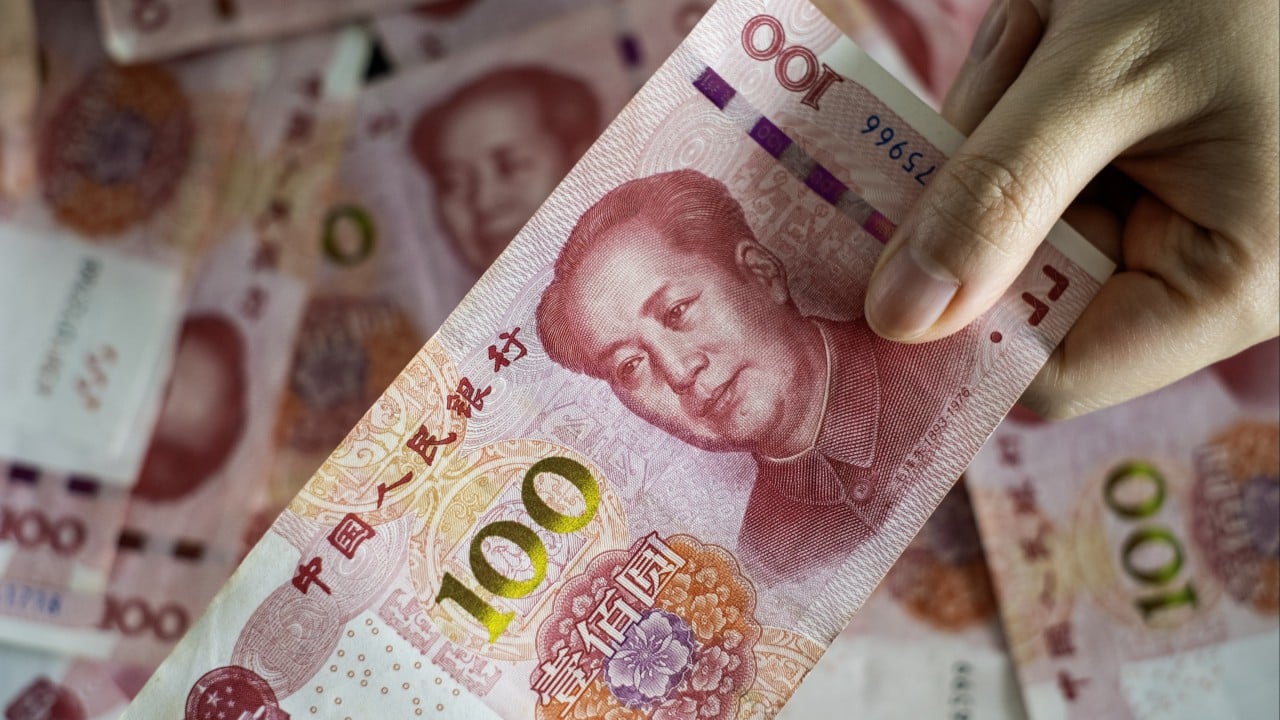
Hong Kong holds a mountain of offshore yuan, but holding money and moving global markets are two entirely different things. Financial regulators are currently pushing commercial banks to channel idle liquidity outward, hoping to turn local deposits into actual international demand. It is a massive structural challenge.
If you look at the numbers, the city's yuan pool looks impressive on paper. Yet, corporations and international traders often hesitate to invoice or borrow in the Chinese currency due to lingering capital controls, hedging costs, and deep-seated habits favoring the greenback. Transforming this mountain of capital into a true global currency instrument requires more than policy wishful thinking. It takes systemic plumbing updates and a massive shift in how multinational enterprises view cross-border settlement.
The Reality of Offshore Liquidity
Money sitting in a bank vault doesn't change the global financial order. Hong Kong remains the undisputed capital for offshore yuan transactions, handling the bulk of worldwide clearing business. But a lot of that capital tends to stay parked rather than circulating through international trade lanes.
Banks face a practical dilemma. When they accumulate large volumes of yuan deposits, they need high-yielding, liquid assets denominated in the same currency to back them up. Historically, the choices outside of mainland bonds have been relatively narrow. If lenders can't find productive ways to deploy those funds without taking on excessive risk, they naturally pump the brakes on aggressive expansion.
Regulators want lenders to step up and finance more cross-border activity. But telling a risk-averse commercial bank to aggressively expand its offshore yuan exposure is easier than executing it in a volatile macro environment.
Why Global Demand Lags Behind
Traders don't adopt a currency for patriotic reasons. They use whatever minimizes their transaction costs, mitigates exchange risk, and offers predictable liquidity. The yuan still faces structural hurdles that keep it from matching the dollar's dominance.
- Capital account restrictions mean money doesn't flow back and forth across China's borders as freely as corporate treasurers prefer.
- Hedging instruments remain comparatively expensive or thin for exotic trade routes outside of core Asian markets.
- Global invoicing habits are deeply entrenched, with the US dollar still acting as the default language of international commerce.
Until these friction points disappear, corporations will keep treating the yuan as a transactional necessity for mainland business rather than a preferred currency for holding long-term global reserves.
What Needs to Change Next
To bridge the gap between local liquidity and genuine international demand, the financial ecosystem has to offer better plumbing. That means expanding swap facilities, improving the availability of yuan-denominated debt instruments in international exchanges, and giving foreign institutional investors easier entry points.
Hong Kong sits right at the intersection of this grand monetary experiment. If local financial institutions figure out how to package and deploy this liquidity efficiently, it could permanently alter how trade is settled across Asia, the Middle East, and beyond. If they fail, the city risks sitting on an expensive pool of currency that has plenty of volume but nowhere meaningful to go.