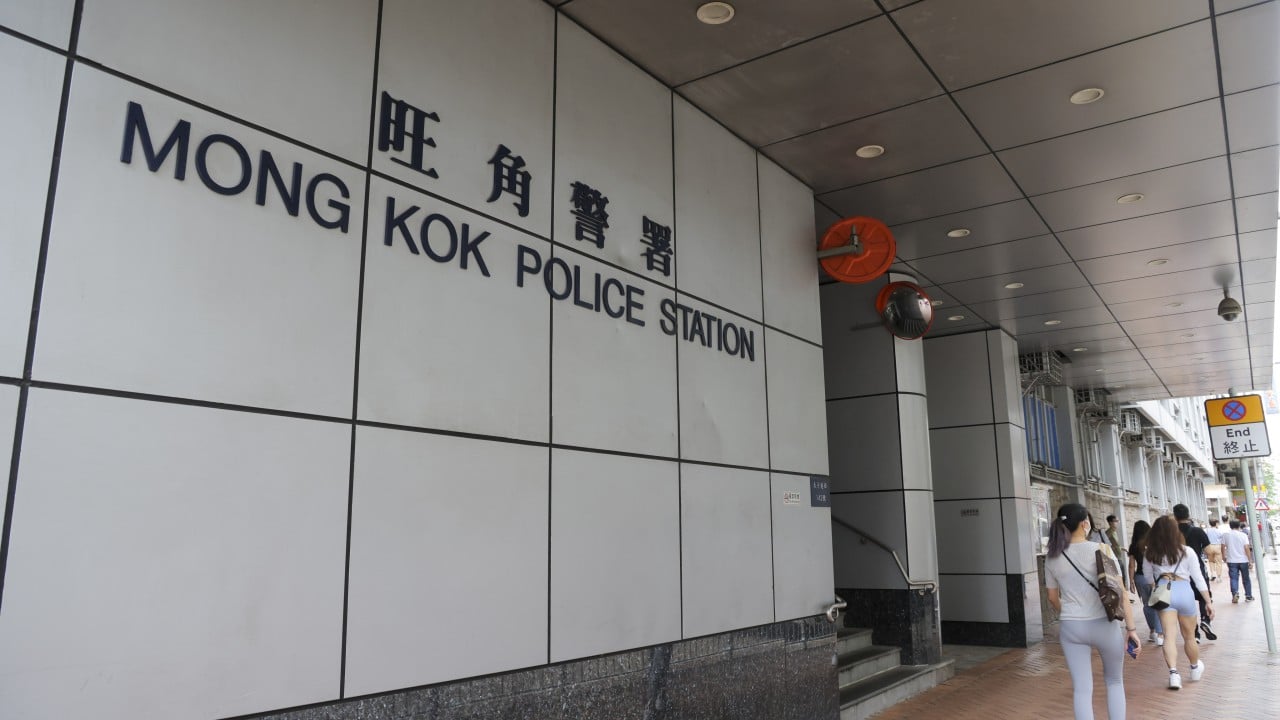
When a 35-year-old Mong Kok cafe operator got slapped with handcuffs over the alleged molestation of a 14-year-old staff member, it sent shockwaves through local subculture spaces. Police stepped in after reports surfaced that the abuse started on the victim's very first day on the job. It's a grim reminder that niche retail and themed hospitality sectors often operate behind closed doors with zero real oversight.
People love to romanticize quirky subcultures. They see the costumes, the themed menus, and the playful service scripts. They rarely look at the power dynamics bubbling right beneath the surface. When you mix vulnerable minors with unregulated small-business management, disaster usually follows.
The Reality of Alternative Workspaces in Mong Kok
Mong Kok moves fast. Small businesses pop up in commercial tenements overnight, running tight operations with minimal staff. In spaces like maid cafes, management often holds absolute power over youthful or part-time employees who treat the gig as a fun weekend hobby rather than a formal career.
When a 14-year-old walks into an environment like that, they assume professional boundaries exist. They trust that labor laws and basic human decency will protect them. But underground or hyper-niche venues often lack HR departments, corporate oversight, or peer-to-peer accountability.
- Management structures are entirely flat or controlled by a single individual.
- Young workers frequently lack awareness of standard workplace boundaries.
- High turnover rates make it easy for bad actors to cycle through new staff.
Why Vulnerable Minors Fall Through the Cracks
Let's be honest about why teenagers end up in precarious workplaces. Economic pressures, a desire for independence, or an attraction to alternative fashion scenes push kids toward unconventional jobs. Business owners know this. They also know that younger employees are less likely to report inappropriate behavior out of fear, embarrassment, or sheer confusion about what counts as a legal violation.
In this specific Mong Kok case, the allegations state that the touching began immediately. That detail speaks volumes. It shows a total lack of hesitation from the accused, pointing to a normalized culture of boundary-crossing within that specific shop. If an operator feels comfortable crossing the line on day one, they've likely done it before, or they operate under the dangerous assumption that nobody is watching.
What Needs to Change Right Now
Public outrage flares up whenever a headline like this drops, but it usually fades just as quickly. Consumers head back to their favorite spots, and the systemic issues remain completely untouched. If you want to protect young workers in themed entertainment, you have to look past the police blotter and demand structural shifts.
First, regulatory bodies need to crack down on small-scale hospitality venues employing minors. Random labor inspections shouldn't just target major restaurant chains or construction sites. Underground creative spaces deserve equal scrutiny.
Second, employment platforms and local agencies must educate teenagers on what workplace harassment actually looks like. Kids need to know that a uniform doesn't sign away their bodily autonomy. They need clear, immediate channels to report predatory bosses without facing social fallout or intimidation.
The investigation into the Mong Kok cafe operator is ongoing, but the broader problem isn't going away on its own. Stop pretending alternative spaces are immune to predatory behavior. Keep your eyes open, protect young workers, and hold business owners to a much higher standard.