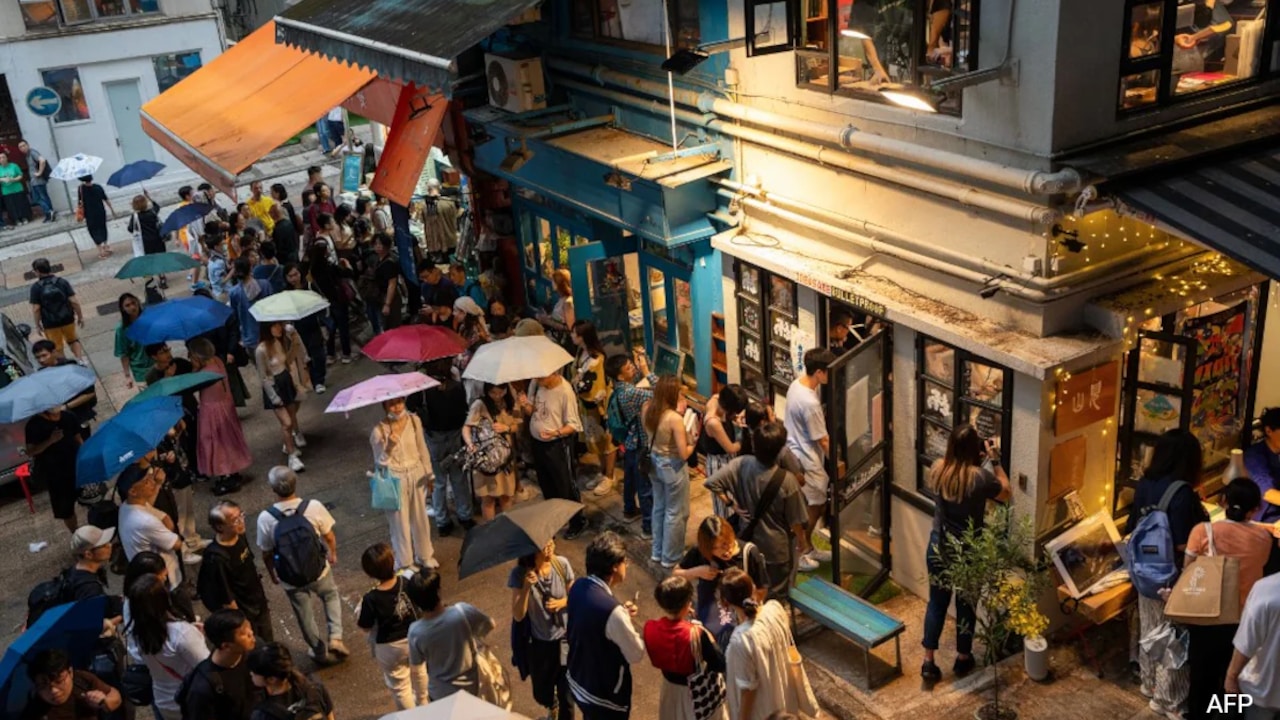
You can't sell what you can't define. That is the reality facing independent booksellers in Hong Kong right now, where a sweeping national security crackdown is erasing the city's alternative literary spaces.
When police raided two prominent independent stores in Mong Kok—including the 50-year-old Greenfield Book Store and the journalist-run shop Have A Nice Stay—they arrested five people under the pretext of selling "seditious" material. Within hours, Have A Nice Stay shut its doors for good, and Greenfield announced it would wrap up operations once its rental lease expired.
The message from authorities is loud and clear. If you run a bookshop, you carry full liability for every page on your shelves. But nobody will give you a list of what's actually banned.
The Anatomy of an Elusive Red Line
Security chief Chris Tang insists that booksellers must ensure their inventory doesn't endanger national security, comparing their duty to a food vendor's responsibility for public health. Yet, the government flatly refuses to publish an official index of forbidden titles.
Why? Because ambiguity is a weapon.
When rules are intentionally blurry, self-censorship takes over immediately. Independent owners are left guessing whether a biography, a historical text, or a political essay will trigger a midnight raid. Running a bookstore shouldn't require a crystal ball, but in Hong Kong today, it basically does.
This environment has turned everyday commerce into a high-stakes legal hazard. Bookstores like Mount Zero already folded under mounting administrative pressure and harassment. Others, such as Book Punch and Hunter Bookstore, faced sudden raids and arrests earlier in the year. The July 2026 raids mark the third major wave of enforcement targeting small literary hubs under the 2024 Safeguarding National Security Ordinance.
What Happens When Independent Shelves Go Dark
Hong Kong used to be a beacon for free expression. Mainland readers regularly crossed the border specifically to buy titles unavailable across the internal frontier. Those days are gone.
The closure of independent shops isn't just about losing retail space. It cuts off the connective tissue of alternative thought. Chain stores, which dominate over 80 percent of the local publishing market and maintain close corporate ties to state-backed entities, sanitize their inventories entirely.
Without independent shops, public discourse narrows down to what the state approves. Cultural events, poetry readings, and open panels disappear right alongside the books.
Navigating the New Normal
If you're an author, publisher, or reader operating anywhere near this ecosystem, the risks are concrete. Authorities are tracking overseas cargo shipments, customs checks are intensifying, and digital footprints are monitored closely.
The takeaway for anyone involved in cross-border literature is straightforward:
- Audit your inventory: If you distribute works touching on sensitive political history or criticism of the judiciary, expect heavy scrutiny.
- Expect no warnings: Enforcement actions happen swiftly via sudden raids rather than formal cease-and-desist notices.
- Protect your data: Digital orders and customer lists are vulnerable during security sweeps.
The architectural shift in Hong Kong's cultural identity is moving fast. Independent bookshops aren't just closing because of poor foot traffic or high rent. They are vanishing because the cost of guessing wrong has become too high to bear.