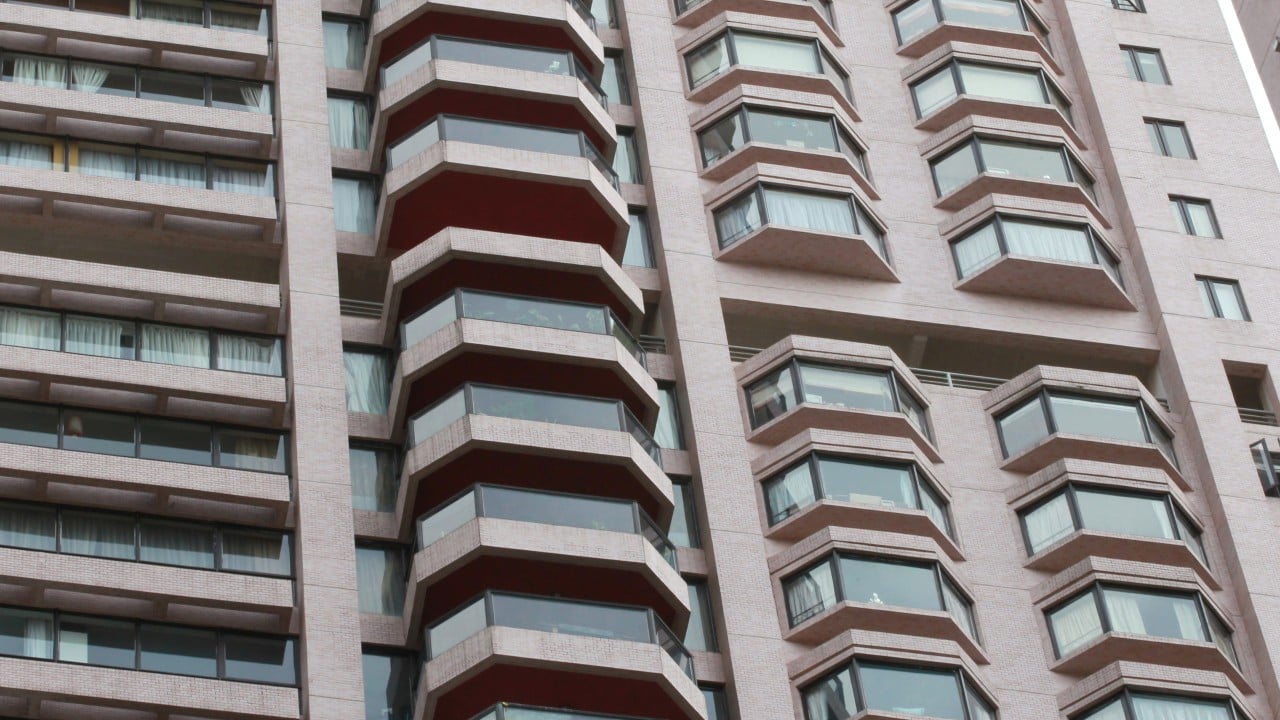
Old money in Hong Kong is playing a different game now. If you look closely at recent high-profile asset sales by local property dynasties, a massive capital shift across Hong Kong property sectors becomes impossible to ignore. For decades, buying entire commercial blocks or holding sprawling retail portfolios was the undisputed playbook for generational wealth. Today, that playbook is getting ripped apart.
Tycoon families aren't just reshuffling their holdings. They are executing a total structural exit from traditional commercial brick-and-mortar assets, redirecting capital into entirely different classes of real estate. Meanwhile, you can explore similar stories here: Why Hong Kong Keeps Winning The Asian Financial Hub Crown.
The Death of the Buy-and-Hold Commercial Mindset
Let's look at what's actually happening on the ground. Recent divestments by prominent developer families—highlighted by high-value transactions from the Mid-Levels down to core business districts—show a clear pattern. They are shedding commercial assets while office, retail, and industrial capital values linger stubbornly below past peaks.
Compare that to the residential sector. Hong Kong's housing market has danced to a completely different rhythm, posting solid price rallies while commercial property stays weighed down by high interest rates and shifting corporate footprints. To explore the bigger picture, we recommend the recent article by The Economist.
Why are the heirs to these real estate fortunes letting go? Because the next generation of family wealth managers looks at balance sheets differently than their founders did.
How Family Portfolios Are Changing Hands
When you talk to market insiders, a common theme emerges. Property no longer holds an unearned emotional pass inside a billionaire family's portfolio.
The next generation evaluates assets based on cold, hard investment returns. If an aging office building or a sluggish retail podium can't compete with alternative investments, it gets chopped. Family wealth is splitting across multiple branches and heirs over generations, making practical, liquid, and easily divisible residential units far more attractive than massive, illiquid commercial behemoths.
Owning an entire tower used to be a status symbol. Now, it's an administrative headache.
Where Is the Money Actually Going
Capital doesn't just disappear when it leaves commercial real estate; it migrates toward sectors with predictable, income-producing fundamentals tied directly to modern living habits.
Look at hospitality and alternative living spaces. Investors are aggressively snapping up older hotels and underperforming office blocks to convert them into student accommodation or co-living spaces. According to data from agencies like Savills, non-residential transactions involving hotel conversions have spiked dramatically compared to previous years.
The shift points to a broader truth about the city's urban economy. Demand has pivoted toward spaces where people actually sleep, study, and live, rather than empty corporate desks sitting in vacant towers.
What This Means If You're Allocating Capital
If you're watching these moves thinking you can copy the smart money, you need to understand the underlying mechanics. Local capital currently accounts for the vast majority of investment volume in the city. Domestic players understand the local risk profile better than anyone else, and they are voting with their wallets.
Stop chasing outdated retail strip models or legacy office spaces simply because they look prestigious on paper. Look instead at how assets generate yield under tight economic conditions.
Evaluate your own holdings against strict liquidity metrics. If an asset relies entirely on historical sentiment rather than current cash flow, cut it loose before the broader market forces your hand. The smart money already made its choice.