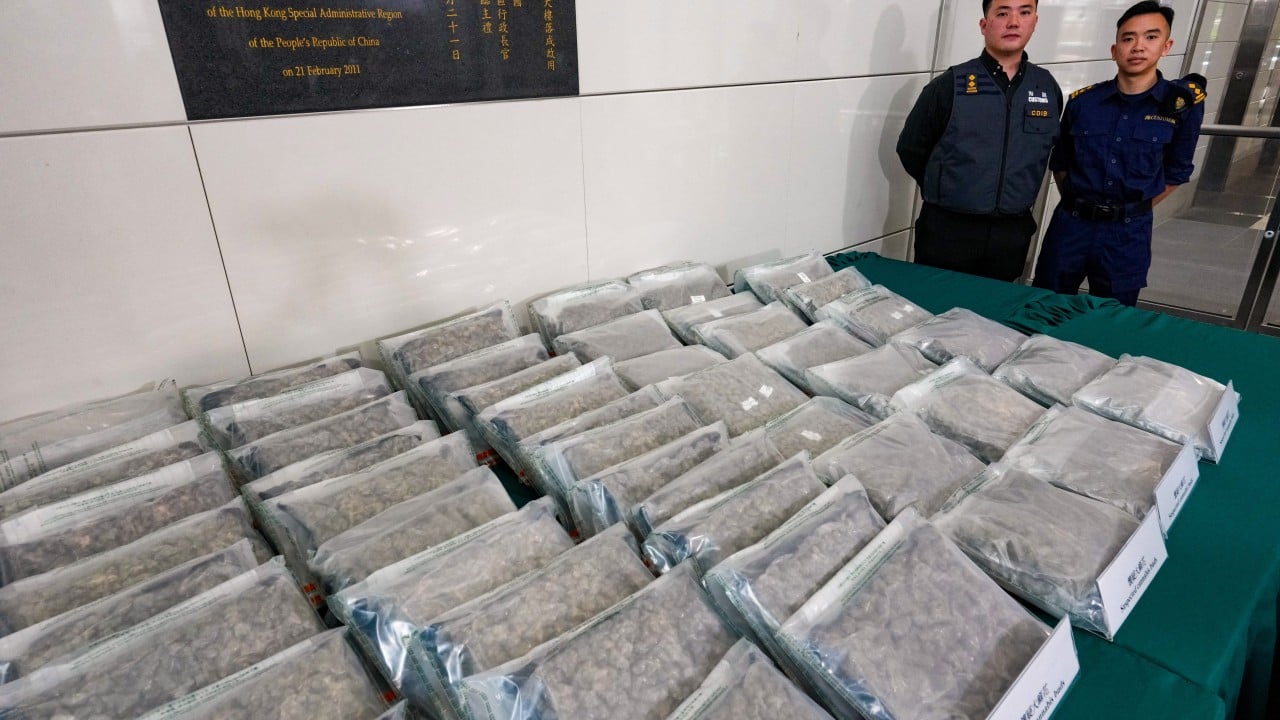
Hong Kong customs officials are dealing with a staggering surge in narcotics interceptions. If you look at the numbers from the first half of the year, drug seizures jumped by nearly 50 per cent. We are talking about thousands of kilograms of illicit substances flooding major transit channels.
Law enforcement officers pulled in a combined 5,704 kilograms of narcotics during this six-month stretch. Cannabis and ketamine made up roughly 60 per cent of that total. Transnational trafficking networks are shifting gears, and customs teams are racing to keep pace with evolving smuggling methods across air and sea routes.
The Changing Face of Narcotics Smuggling
Why the sudden spike? Syndicates aren't using the same old playbooks. Global supply chains have adapted, and local enforcement data shows a heavy reliance on multi-tonne shipments hidden inside commercial cargo, alongside smaller courier parcels.
When you examine the breakdown of these operations, sea freight remains a primary vector for massive bulk quantities. Syndicate bosses try to mask illicit cargo behind legitimate consumer goods, electronics, or industrial food products. Air cargo hubs and passenger terminals are seeing intense scrutiny too, especially as international travel volumes stay high.
Drug enforcement involves constant adaptation. Smugglers try a new concealment method, forensics spot the anomaly, and customs agents update their targeting profiles. It is a relentless cat-and-mouse game.
What Drives the Demand for Cannabis and Ketamine
The dominance of cannabis and ketamine in these seizure logs tells a clear story about shifting consumer markets across the region. Cannabis products—ranging from raw buds to infused items—frequently arrive from Southeast Asian manufacturing hubs where production laws have loosened or enforcement varies.
Ketamine continues to move in industrial quantities. Traffickers split shipments into modular parcels to minimize financial loss if a single box gets flagged by X-ray machines or trained canine units.
If you are tracking how security agencies fight back, technology does the heavy lifting. Non-intrusive imaging systems, high-speed cargo scanners, and automated risk-assessment algorithms let inspectors screen thousands of containers daily without bottlenecking legitimate global trade.
The Broader Impact on International Enforcement
Hong Kong occupies a unique geographic position. It is a major financial and logistics nexus, which makes it an attractive target for international syndicates trying to launder money or transship product to other regional markets.
When local customs authorities ramp up seizures, it disrupts global supply lines. Yet, it also signals that the flow of drugs leaving production epicentres is accelerating. Stopping the supply at the border is only one half of the equation. Intelligence-sharing across borders remains critical for dismantling the financial networks behind these operations.
Arresting couriers only disrupts the lowest tier of the hierarchy. Investigators must target the kingpins, trace the cryptocurrency transactions, and freeze the shell company assets. Until those structural pipelines dry up, customs departments will keep breaking seizure records year after year.