If you think you can walk across the Shenzhen river with a 1990s business model and clean up in mainland China, you are setting yourself up for failure. The rules have changed. Mainland consumers are sharper, domestic competitors are faster, and the old geographic advantages simply don't carry the weight they used to.
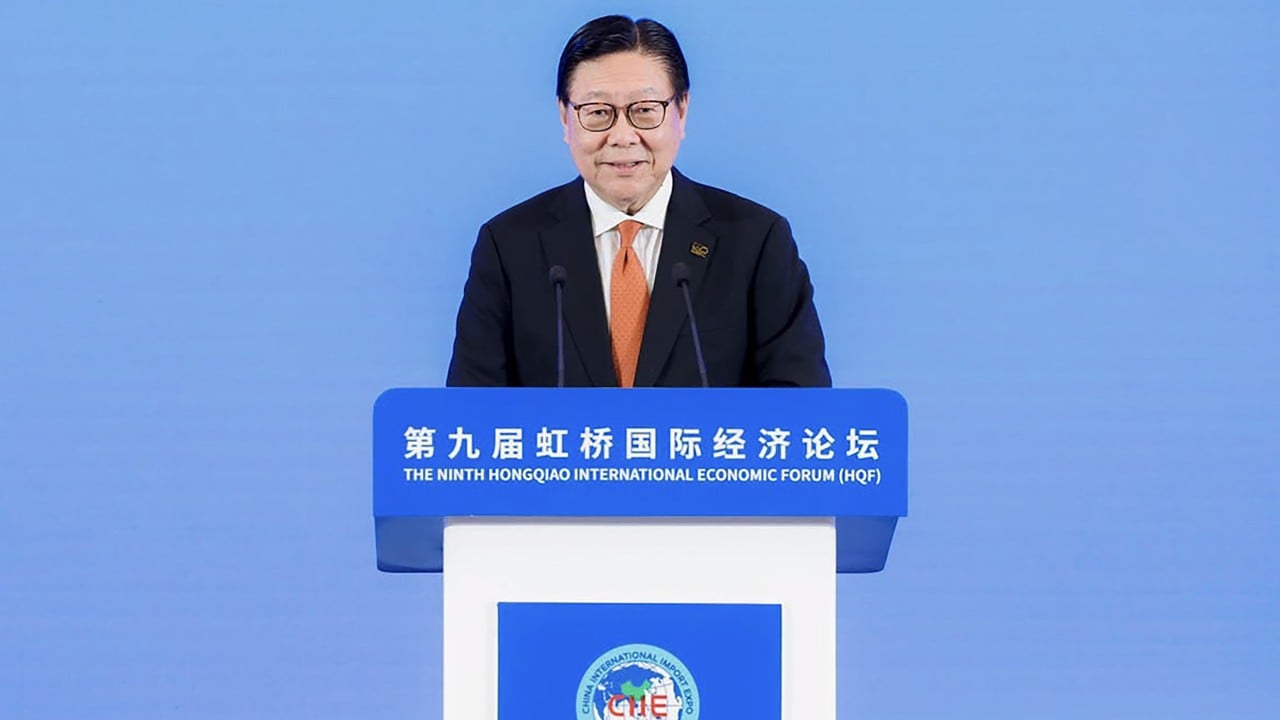
During the ninth China International Import Expo in Shanghai, Hong Kong Trade Development Council Chairman Frederick Ma Si-hang delivered a blunt message to local entrepreneurs. Hong Kong firms can no longer treat the mainland market as a passive dumping ground for standard goods. They must actively innovate, deeply understand fast-evolving consumer tastes, and modernize their offerings.
Let's look at why the ground shifted so dramatically and what it takes to survive.
The Myth of the Easy Northern Expansion
For decades, the standard path for a Hong Kong business was straightforward. You took an established product, brought it north, and relied on the "imported" halo to drive sales. Consumers across the border viewed Hong Kong goods as inherently superior in quality and design.
That halo has evaporated.
Mainland Chinese brands have caught up and, in many sectors, pulled far ahead. Domestic tech companies iterate on products in months instead of years. Direct-to-consumer digital startups understand local e-commerce ecosystems, live-streaming trends, and hyper-localized social preferences far better than traditional regional importers.
When a local enterprise brings a rigid product to Shanghai or Beijing without tailoring it to native preferences, it gets crushed by agile domestic competitors. Ma pointed out that understanding mainland consumer behavior is no longer optional background reading—it is the core ticket to entry.
Beyond the Comfort Zone: Innovation and Adaptation
Innovation in this context doesn't always mean inventing a completely new microchip. Often, it means completely overhauling how products meet local needs.
Hong Kong companies have historically excelled at professional services, trade intermediation, and finance. But retail, food, technology, and consumer goods require a total rethink. If you are selling food products, the packaging, flavor profiles, and digital distribution channels must speak directly to Gen Z and millennial buyers in tier-one and tier-two mainland cities.
Consider how the city's enterprises are attempting to pivot under the National 15th Five-Year Plan. Chief Executive John Lee has emphasized the need for forward-looking industrial strategies. More than 70 local enterprises showcased their offerings at the Shanghai import expo, highlighting a push toward specialized services and tech-driven solutions. Yet, displaying goods at a trade fair is easy; winning daily wallet share in a hyper-competitive domestic market takes rigorous adaptation.
The Global Diversification Counterbalance
Relying solely on the mainland market is just as risky as ignoring it. That is why trade leaders are pushing a dual track: innovate up north while aggressively expanding outward.
The Hong Kong Trade Development Council is actively expanding its global footprint. Plans are already underway to open a new office in Egypt next year, cementing a broader push into emerging markets across Southeast Asia, the Middle East, and Africa. By tapping these growing economies, local firms can diversify their revenue streams and hedge against regional trade frictions.
At the same time, Hong Kong is leaning heavily into its traditional superpower: acting as a bridge for mainland companies looking to go global. Through initiatives like the GoGlobal Connect program, local professional services—legal, accounting, logistics, and dispute resolution—help mainland firms navigate complex international waters.
What Founders Must Do Right Now
If you run a business trying to bridge this divide, stop waiting for market conditions to soften.
First, audit your product-market fit on the mainland. If your offering hasn't changed in five years, assume it is obsolete. Spend time on domestic platforms, study how regional competitors market their goods, and redesign your user experience from scratch.
Second, utilize the institutional support systems available. Tap into trade promotion networks that offer grounded insights into foreign markets like Central Asia, the Middle East, and Africa rather than chasing oversaturated western corridors.
The old shortcuts are dead. Only continuous reinvention keeps you in the game.