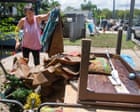
You survived a cyclone, your roof is half-missing, and your insurer offers you a neat stack of cash to walk away. It sounds clean. It sounds like freedom. It is actually a financial trap.
Recent findings from the Australian Securities and Investments Commission (Asic) expose a dirty secret about home insurance payouts. Major insurers are handing out cash settlements instead of fixing damaged homes, leaving everyday policyholders holding the bag for massive repair cost blowouts. If you take that check without questioning the math, you're almost certainly getting short-changed.
Here is what you need to know about why these cash outs happen, how the numbers are rigged against you, and how to fight back when disaster strikes.
The Illusion of Choice and Control
Insurers love to talk about flexibility. They pitch cash settlements as a way to give homeowners total control over the rebuild process. You pick the builder, you manage the timeline, you make the calls.
It sounds empowering. But look closer at how it plays out on the ground.
When Asic investigated home building claims stemming from extreme weather events like Cyclone Jasper, they found that cash settlements dominated the landscape. Companies like IAG and Allianz used full or partial cash payouts in over eighty percent of final claims.
They aren't doing this because you asked for it. They do it because managing a major rebuild in a disaster zone is expensive, messy, and logistically difficult. Cash is quick. Cash closes the file. Once that money hits your account, your insurer wipes their hands clean of your property.
How the Math Falls Short
Here is the kicker. Most of these cash offers aren't based on what it actually costs a regular person to fix a house. They are based on a single quote from a preferred supplier who works for the insurance company.
Insurance companies wield massive buying power. Their preferred builders give them deep discounts—sometimes slashing prices by up to forty percent because of the sheer volume of work they throw their way.
Then, the insurer takes that heavily discounted wholesale quote and hands it to you as a retail cash offer.
Imagine trying to hire a local tradie in a disaster-hit town with a check that reflects a forty-percent corporate discount. You can't. Local builders charge standard market rates, or higher, because demand skyrockets after a cyclone or major flood. When the cash payout falls short, you pull out your own credit card to cover the gap.
Asic highlighted an alarming case where a preferred builder quoted an insurer with a massive discount. The insurer paid out that exact discounted figure in cash. When the homeowner tried to hire that same builder to do the actual work for that price, the builder flat-out refused.
That is not an exception. It's a structural flaw in how claims are processed.
The Vulnerability Blindspot
If you think consumer protection safeguards catch these problems, think again. The regulatory review discovered that major insurance providers had seriously flawed approaches for identifying and helping vulnerable customers.
When you are stressed, displaced, and living out of a suitcase, you don't have the bandwidth to audit construction estimates. Insurers know this. They know most people won't check if the payout accounts for commercial bulk discounts or local trade shortages.
To make matters worse, many policies didn't even require companies to tell customers they could change their minds after accepting a cash settlement. You sign away your right to a managed repair, take the cash, realize it is thousands of dollars short, and find out you are legally boxed into a bad deal.
Meanwhile, insurance costs are spiraling out of control. Premium prices have jumped dramatically over recent years, soaring way past standard inflation rates as extreme weather events drive up the total cost of risk. You pay more for your policy every single month, only to get low-balled when you actually need to use it.
What You Should Do Instead
Don't let an insurer bully you into taking the easy payout. If you are staring down a property claim, protect your interests with a few practical moves:
- Demand itemized quotes: Never accept a lump-sum cash offer based on a single figure. Ask for the full breakdown of labor and materials.
- Get independent estimates: Bring in your own local builder to quote the repairs independently. Compare their numbers against what the insurance company offers.
- Challenge the discount: If the insurer used a preferred supplier quote, ask how they adjusted that price to match current retail market rates for independent homeowners.
- Refuse if it doesn't cover reality: You generally have the right to push for the insurer to manage and complete the repairs themselves rather than taking cash. Make them do the heavy lifting.
Insurance is supposed to put you back where you were before disaster struck. Taking a discount check that leaves your home half-rebuilt isn't a settlement. It's an evasion of duty. Stop letting them pass the bill back to you.