A peaceful Wednesday morning in Antwerp turned into an absolute nightmare. On July 1, 2026, a sudden and violent fire ripped through a 10-story residential tower block in the Linkeroever neighborhood. At least six people are dead, and a still-unconfirmed number of residents are fighting for their lives in local hospitals.
The tragedy houses a terrifying reminder of how quickly modern high-rise apartments can turn into lethal smoke traps. The local fire department received the first frantic call at 9:53 AM regarding a raging blaze. Within minutes, thick, black smoke choked out the stairwells, cutting off the escape routes for more than 200 people living inside the building.
The Chaos on Linkeroever
When you live on the upper floors of an apartment complex, your biggest fear is being trapped above a fire. That's exactly what happened to Geert Dewulf, a resident on the tenth floor. He reported that the power cut out unexpectedly. Three minutes later, the alarms screamed. By the time he opened his door to flee, the hallways were already completely blacked out by dense smoke.
Dewulf and his family had to make a split-second survival decision. They couldn't go down. Instead, they barricaded themselves inside their apartment, sealed the doors, and waited out on the terrace. Thankfully, an Antwerp fire department ladder truck reached them ten minutes later. Others weren't so lucky. Television footage captured desperate residents hanging over balconies just to catch a breath of fresh air as the smoke billowed out around them.
The sheer intensity of the smoke forced authorities to activate a Medical Intervention Plan. This strategy is used during major disasters to systematically distribute casualties and prevent local emergency rooms from completely collapsing under the pressure.
Where the System Failed
Early reports initially indicated the fire started on the eighth floor, but updated police investigations confirmed the blaze actually originated from a technical failure on the ground floor. This explains the rapid, vertical spread of toxic smoke. When a fire starts at the base of a high-rise, the entire structure can act like a chimney, pulling heat and deadly gases upward through utility shafts and stairwells.
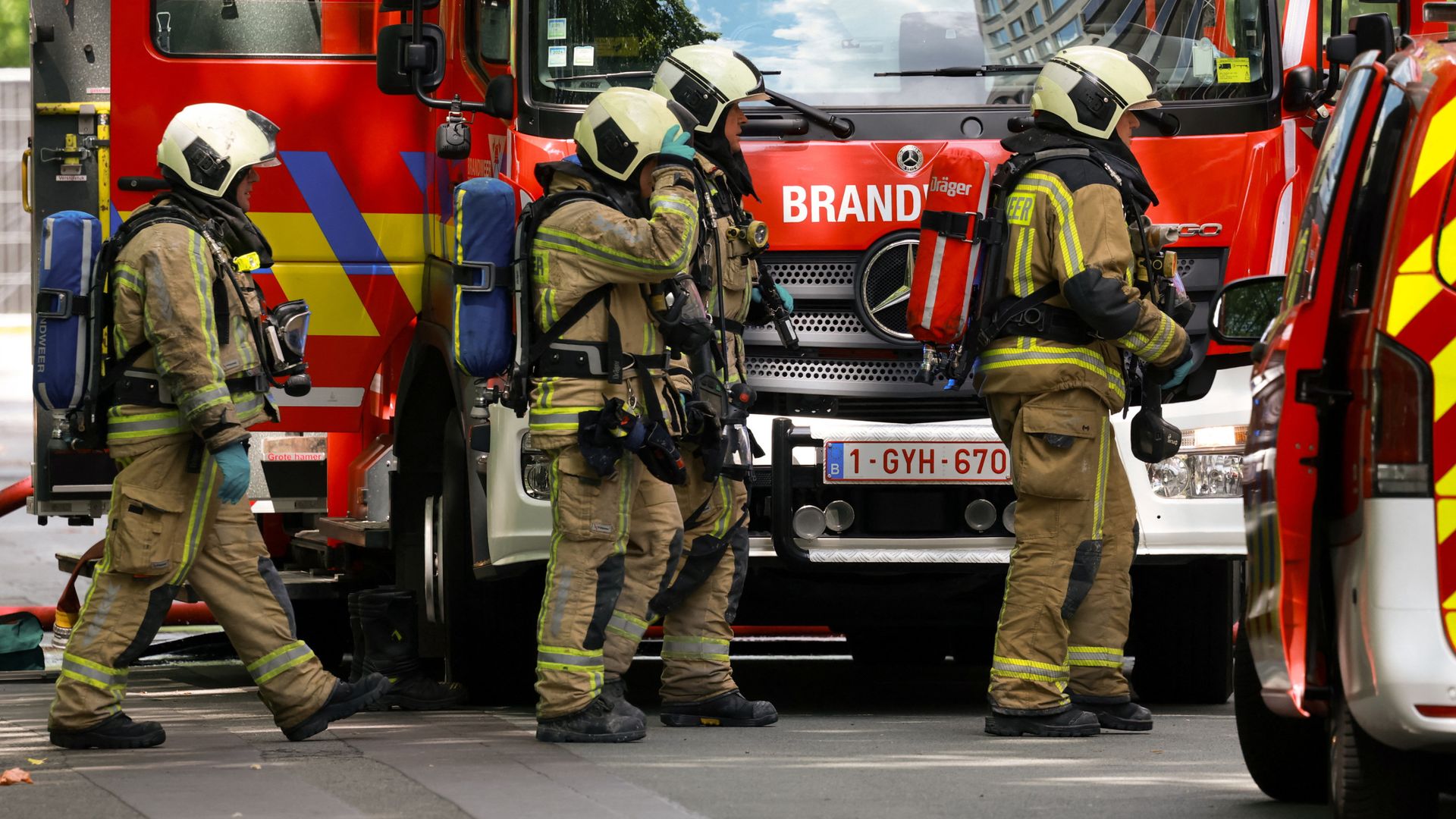
Emergency services deployed specialized drone units to peer through the thick smoke and locate victims trapped on the upper balconies. While the flames were eventually brought under control by early afternoon, forensic teams and fire experts appointed by the public prosecutor's office are now shifting through the wreckage to find out why the smoke containment systems failed so catastrophically.
Surviving a High Rise Inferno
If you live in a multi-story building, you can't just rely on the building's infrastructure to save you. You need to know what to do the second the alarm sounds. Most fatalities in tower fires don't happen from the flames—they happen from smoke inhalation.
- Test the door handle. Before you ever open your apartment door into a hallway, touch the handle with the back of your hand. If it's hot, or if you see smoke seeping through the cracks, do not open it. The hallway is already a death trap.
- Seal the entry points. If you're trapped inside, wet down towels, sheets, or clothing and cram them tightly into the gaps around your front door and air vents to block the smoke.
- Head to the balcony or window. Get to a point where you can access fresh air. Hang a bright sheet or use your phone flashlight to signal your exact position to rescuers below.
- Never use the elevator. It sounds basic, but panic makes people do foolish things. Elevators regularly lose power or can accidentally open onto the burning floor. Always use the emergency stairs if they are clear of smoke.
The tragedy in Antwerp is a stark reminder that high-rise safety isn't passive. Take five minutes today to locate your building's emergency exits, check your smoke detectors, and make sure your family actually knows the evacuation plan. Don't wait for the alarms to start ringing to figure it out.