Emergency hospital admissions for high blood pressure have surged by 77% since before the pandemic, jumping from 24,481 in 2019/20 to 43,306 in 2025/26 across NHS data. That number ought to stop you mid-sip of your morning coffee. Almost double the emergency admissions in six years for a condition that rarely hurts until something serious breaks.
People call it a silent killer for a reason. You can feel completely fine, walk five miles, sleep soundly, and still have blood vessels hammering under unsafe pressure every single beat. And yet when it lands someone in hospital, it isn't just a nuisance reading on a cuff. It's a warning flare that routine prevention has been slipping through the cracks.
The spike itself raises an uncomfortable question. Are more people actually developing dangerously high blood pressure, or are we catching crises later because routine checks got skipped and primary care felt harder to reach? Honestly, it's probably a messy mix of both.
Why High Blood Pressure Admissions Are Climbing
Emergency numbers don't jump 77% by accident. From what I've seen in health reporting and clinical audits, spikes like this usually reflect a collision between silent biology and busy lives. Many adults don't bother getting checked until they're already unwell, or until a routine appointment gets pushed down the to-do list.
Health data highlights another striking detail that catches plenty of folks off guard. Women accounted for a third more hospital care episodes involving a hypertension diagnosis than men in those recent figures. That surprises people who still picture high blood pressure mainly as a middle-aged man's problem. Hormonal shifts over a lifetime, perimenopause and menopause, pregnancy-related hypertensive history, and longer average lifespans all shape how blood pressure behaves in women.
Then there's the screening gap. Millions of adults across England still have undiagnosed hypertension, even though blood pressure checks are quick, painless, and widely available. Health authorities have been urging adults over 40 to take up free checks, and community pharmacies offer standalone blood pressure checks without needing a GP appointment first. Still, busy schedules win out far too often.
The Silent Trap Behind Routine Readings
Here is the mistake I see people make constantly. They get one high reading at a rushed clinic visit or after lugging heavy groceries up two flights of stairs, panic for twenty minutes, and then ignore it for three years.
On the flip side, plenty of people get a normal reading once in their thirties and assume they're set for life. Blood pressure creeps up gradually. Arteries stiffen slowly. Weight shifts a little here, sleep gets worse there, stress becomes your default setting, and suddenly a reading that used to be reassuring isn't anymore.
According to NICE hypertension guidance, a diagnosis isn't based on a single nervous glance at a gauge. Clinicians look for a clinic reading of 140/90 mmHg or higher, confirmed by ambulatory monitoring or home readings averaging 135/85 mmHg or higher. That distinction matters because a single high number doesn't automatically mean lifelong medication, while ignoring repeated high numbers definitely raises your risk of heart attack, stroke, and kidney strain.
What Actually Drives Blood Pressure Up
When people ask why their numbers are climbing, they usually want a neat villain. Salt gets blamed first. Sometimes salt is a big piece of the puzzle, especially when ultra-processed foods make up most of your week. Other times, the real culprits are quieter and snekier.
Poor sleep is huge. If you're sleeping five or six hours a night, or dealing with untreated sleep apnea, your sympathetic nervous system stays wound up. Stress isn't just a feeling either. Chronic work pressure, caregiving strain, or money worries keep stress hormones flowing and nudging baseline pressure upward.
Alcohol plays a bigger role than most social drinkers admit. A couple of drinks a few nights a week can quietly push readings higher over time. Physical inactivity matters too, along with age itself as blood vessels naturally lose some elasticity. Even certain medications, decongestants, NSAIDs taken frequently, or hormonal treatments, can nudge blood pressure in the wrong direction.
You don't need to live like a monk to help your heart. Small, steady shifts usually beat dramatic two-week overhauls that collapse by day twelve. Swapping one salty takeaway for a home-cooked meal, adding a brisk twenty-minute walk after dinner, or cutting back midweek drinks can start moving the needle.
Knowing Your Numbers Without Losing Your Mind
Getting a home monitor can be empowering. It can also turn people into anxious number-obsessors who check their cuff six times before breakfast and feel worse every time they see a high digit.
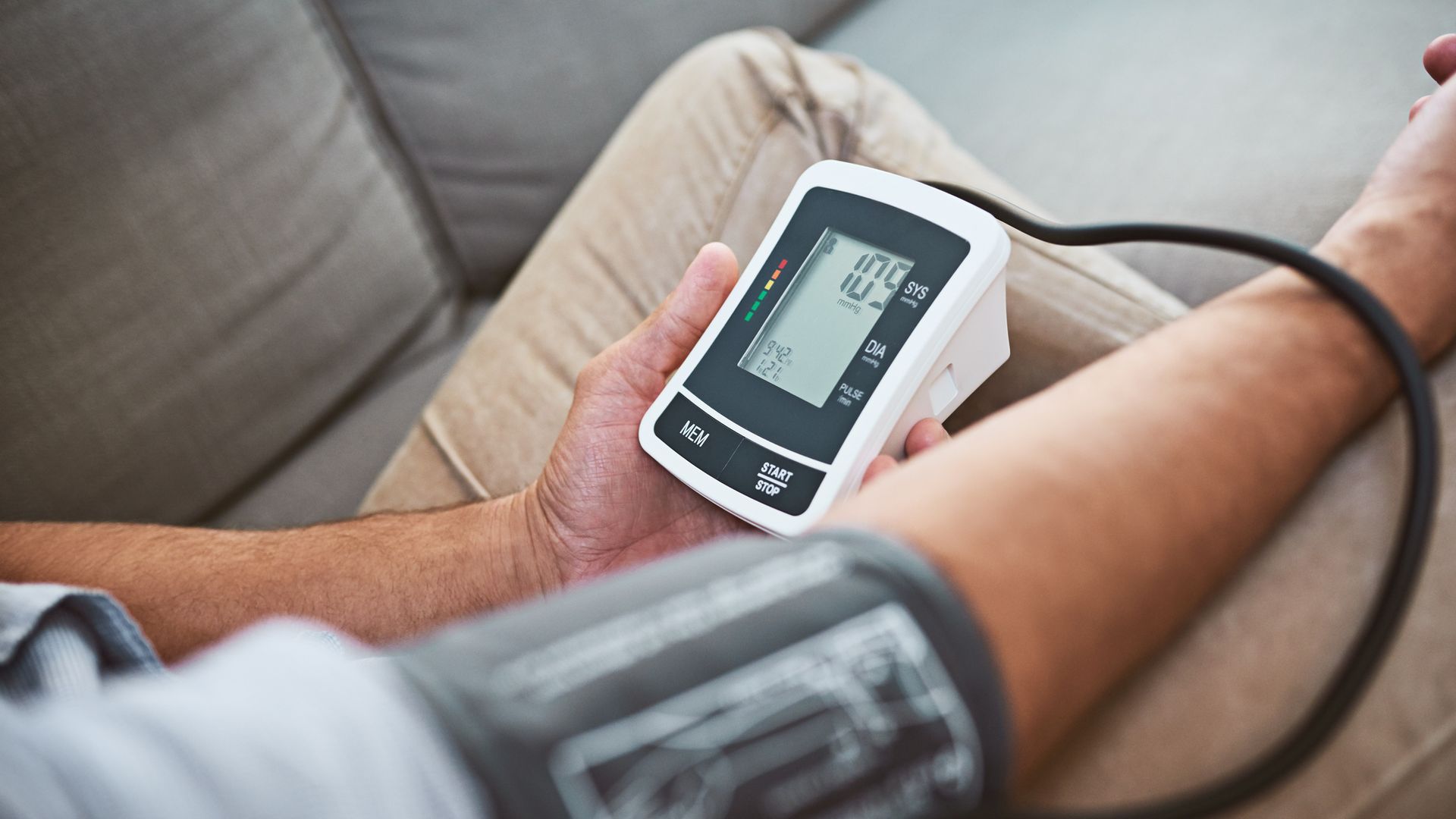
If you buy a home monitor, pick an upper-arm cuff rather than a wrist model, since upper-arm devices are generally more reliable when used properly. Sit quietly for five minutes first. Keep your feet flat on the floor, uncrossed, with your back supported and your arm resting roughly at heart level. Don't measure right after coffee, exercise, or a stressful phone call.
One slightly high reading isn't an emergency on its own unless you have severe symptoms like chest pain, shortness of breath, sudden vision changes, numbness, or a severe headache. If you see a high number at home, take a breath, rest, and log it over days rather than spiraling over a single snapshot.
Why Prevention Still Beats Hospital Care
Emergency admissions are the loud end of a quiet story. A hospital ward can stabilize a crisis, run urgent tests, and adjust medication fast. What it can't do is erase years of wear and tear on delicate blood vessels in your brain, heart, and kidneys.
There's also real debate in medicine over exact targets for different ages and health profiles. For adults under 80 with hypertension, NICE guidance generally aims for clinic readings below 140/90 mmHg, while for adults 80 and over the clinic target is typically below 150/90 mmHg, adjusted for frailty or other conditions. That nuance shows why blanket internet rules don't fit everyone identically. Your ideal target depends on your age, kidney health, diabetes status, and overall cardiovascular risk.
Medication isn't a personal failure either. Some folks treat blood pressure pills like a badge of shame, holding out for years while their numbers stay high. In reality, modern blood pressure medicines are well-studied, effective tools that protect your organs while you build healthier daily habits. Lifestyle and medication work best as teammates, not rivals.
Practical Steps You Can Take This Week
Don't turn heart health into a giant project you put off until January. Pick two concrete actions and do them this week.
- Book a check or visit a local pharmacy: If you haven't had your blood pressure checked recently, especially if you're over 40, get a proper reading through your GP practice, an NHS check if eligible, or a community pharmacy.
- Write down three real readings: If you use a home monitor or get checked at a clinic, keep a simple note of the date, time, and numbers instead of relying on fuzzy memory.
- Audit one daily habit: Look honestly at your evening drinks, salty snacks, caffeine timing, or daily movement, and pick one realistic change you can stick with for a month.
- Bring real questions to your clinician: If your numbers run high, ask what your specific target should be, whether home monitoring makes sense for you, and how lifestyle changes fit alongside treatment.