Finishing chemotherapy doesn't magically hand you your old life back. That's the part nobody warns you about until the scans are clean and the hospital appointments space out.
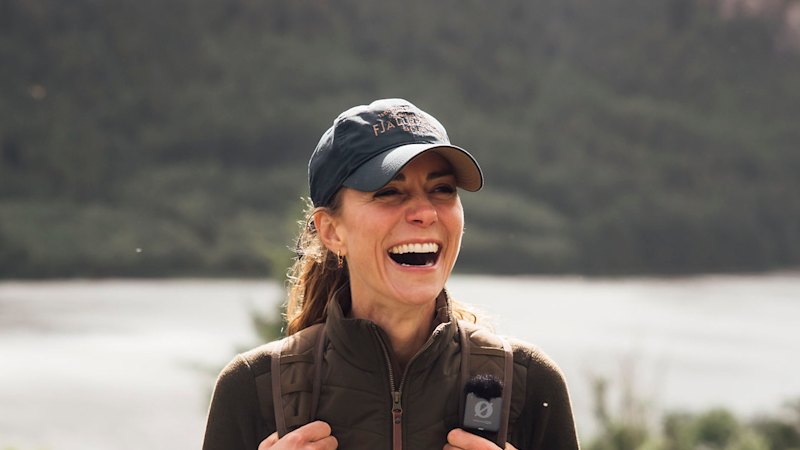
In Heal, a 30-minute documentary with a trailer released in November 2026 ahead of its BBC One broadcast on November 29, Catherine, Princess of Wales, speaks openly about how a cancer diagnosis alters you far beyond the physical toll. Following her March 2024 announcement that she was undergoing chemotherapy after abdominal surgery—and her January 2025 update that she was in remission—the film traces her June 2026 National Three Peaks Challenge across Ben Nevis, Scafell Pike, and Snowdon (Yr Wyddfa) in aid of The Royal Marsden Cancer Charity. Proceeds support holistic recovery care alongside fellow patients' stories.
Why This Cancer Treatment Documentary Hits Differently
Plenty of celebrity health stories stop at the "I'm in remission" headline. Honestly, that's where the real work often starts.
When someone finishes active treatment, friends and coworkers tend to exhale first. The survivor is left standing in a quiet room wondering how to exist in a body that feels unfamiliar, tired, or guarded. By airing Heal across broadcasters including BBC One, NBCUniversal, Channel 9, and CTV/Noovo, Catherine is shining a spotlight on life after the medical milestone rather than treating remission like a neat bow on a gift box.
I've watched plenty of patients and families get blindsided by that shift. During active treatment, there's a schedule: infusions, blood draws, check-ins, clear short-term goals. Once treatment ends, the calendar opens up and anxiety often rushes into the space where structure used to sit. Hearing a high-profile figure admit that she didn't ring the end-of-treatment bell—and instead found a different kind of closure walking steep mountain trails with her brother, James Middleton—gives people permission to mark recovery on their own terms.
What People Miss About Life After Remission
A common misconception is that emotional recovery moves at the same speed as physical clearance. It doesn't.
Research on cancer survivorship shows that emotional distress—including anxiety, depression, and intrusive thoughts about the illness—affects roughly 30% of people living with or beyond cancer, according to scoping review research published in PubMed Central. Even when clinical scans look encouraging, nervous systems stay on high alert.
There's also a sneaky trap around "positive thinking." Telling someone in recovery to just be grateful they're alive can backfire if it makes them feel guilty for feeling exhausted, angry, or flat. Real resilience isn't forced cheerfulness. It's holding uncertainty and hope in the same hand without pretending the hard parts didn't happen.
The Science Behind Holistic Cancer Recovery
Calling something "holistic" sometimes makes skeptics roll their eyes, assuming it means vague wellness fluff instead of medicine. That's a mistake.
In oncology, holistic care simply means treating the whole person—physical function, nutrition, mental health, social connection, and symptom management—alongside clinical cancer treatment. As outlined by The Royal Marsden's survivorship guidance, patients leaving treatment face real, practical hurdles: lingering fatigue, shifting appetite or digestive issues, menopausal changes, and fear of recurrence.
Psychosocial and supportive care isn't just "nice to have" extras. Evidence compiled through the National Cancer Institute's Evidence-Based Cancer Control Programs demonstrates that structured psychosocial support can reduce trauma symptoms, ease mood disturbance, and help patients manage pain and suffering more effectively. Meanwhile, research on holistic cancer survivorship models emphasizes how social support, physical activity, and tailored care plans shape long-term quality of life for both survivors and their families.
Still, let's be straight about the limits of the evidence. Supportive therapies, movement, and emotional care improve day-to-day wellbeing, mood, and coping, yet they are not a substitute for oncology care or a guaranteed shield against recurrence. Good clinicians draw that line clearly so patients aren't sold false promises or guilt.
Why Mountain Air and Movement Aren't a Cure-All
Hiking roughly 37 to 44 kilometers of uphill and downhill terrain across three peaks in 24 hours takes serious planning and stamina. Even on a single peak like Ben Nevis at 1,345 meters or Snowdon at 1,085 meters, weather shifts fast and legs ache for days.
Movement helps rebuild confidence in a body that felt out of your control. Stepping outside can break the loop of staring at four walls and worrying about every ache.
At the same time, nobody should treat a grueling physical challenge as the benchmark for "healing properly." Plenty of survivors can barely walk around the block after treatment because of neuropathy, anemia, or deep fatigue. A slow walk around a local park or a gentle stretching session counts just as much when your energy tank is low.
Practical Steps for Navigating Recovery or Supporting Someone You Love
If you're coming out of treatment yourself—or trying to show up well for someone who is—small, concrete habits beat grand resolutions every time.
- Build a post-treatment check-in list: Ask your oncology team or primary doctor what late effects to watch for over the next six to twelve months, and write down clear red-flag symptoms so you aren't guessing at 2 a.m.
- Pace activity with a "stop while you still feel okay" rule: Pushing to total exhaustion on a good day often triggers a multi-day crash. Stop a little earlier than you think you need to.
- Give emotions room without fixing them: If a loved one says recovery feels heavy, listen without jumping straight to silver linings. Ask what kind of help feels useful this week—errands, company, or quiet space.
- Look into structured survivorship or counseling support: Ask your care center or local cancer charity about physiotherapy, nutrition advice, peer groups, or psycho-oncology support rather than white-knuckling the transition alone.
Recovery rarely looks like a straight line up a mountain. It looks like taking the next step you actually have energy for today.