The mountains don't care about your experience, your gear, or your summit goals. They are indifferent. When an avalanche tears through a slope at 7,000 metres, it doesn't distinguish between a seasoned professional and a novice. It just moves.
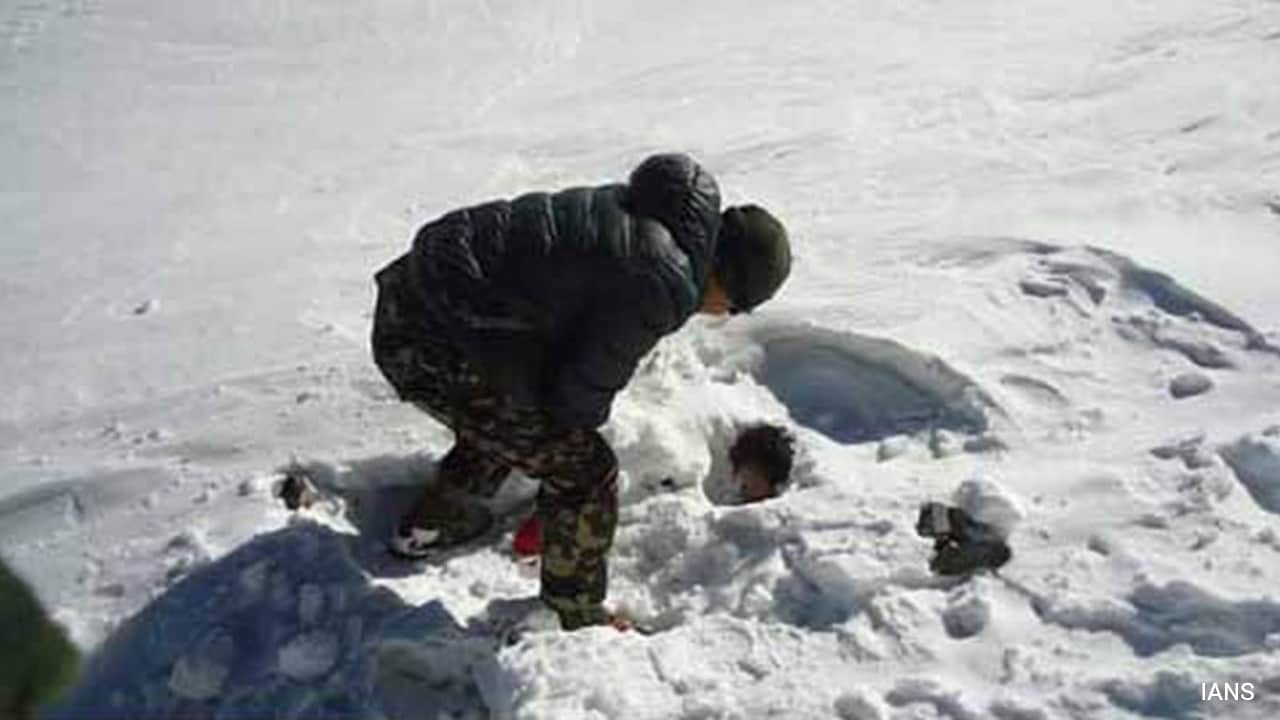
Recent reports confirm a devastating tragedy in the mountains of Pakistan-administered Kashmir. An avalanche struck a 10-member climbing team that was pushing for a summit. According to the Alpine Club of Pakistan, four mountaineers are confirmed dead, and six others remain missing. This is the cold reality of high-altitude exploration. It’s a game of probabilities where the odds can shift in a heartbeat.
Understanding the True Risks Above 7,000 Metres
You’ll often hear people talk about the "glamour" of climbing. They show you the photos from the top, the sunrise, the sense of achievement. They rarely show you the unstable snowpack, the sheer exhaustion, or the technical dangers of the "death zone."
At altitudes above 7,000 metres, your body is effectively dying. You can't acclimatize indefinitely. The oxygen levels are so low that every movement feels like a monumental task. The environment itself is hostile, and it’s not just the air—it’s the terrain.
The Physics of Avalanche Hazards
Avalanches aren't always mysterious "acts of God." They’re often the result of specific physical conditions that mountaineers study, yet cannot always control:
- Slope Angle: Most avalanches occur on slopes between 30 and 45 degrees.
- Snowpack Layers: A weak layer of snow buried under heavy, fresh precipitation creates a perfect sliding surface.
- Human Triggers: Even a small group of climbers can introduce enough stress to a slope to initiate a massive slide.
When a team is on a summit push, they are often moving during the early morning hours to beat the heat of the sun, which can destabilize snow. Even with these precautions, you are playing in a high-stakes environment where internal mountain forces can override your best-laid plans.
Why This Matters for Every Climber
If you’re interested in high-altitude mountaineering, don't look at this news and think "it won't happen to me." That kind of thinking is how people get themselves into trouble. Instead, look at it as a reminder of the inherent volatility of the Karakoram and Himalayan regions.
Reality Check for Expedition Planning
- Self-Reliance is Paramount: You cannot always wait for a helicopter. In remote regions, your first line of defense is your team’s ability to manage risk and perform self-rescue.
- Weather Windows are Short: Climbers are often under immense pressure to move during small weather windows. This pressure can lead to "summit fever," where the desire to reach the top outweighs the decision to turn back.
- Medical Realities: At extreme altitudes, conditions like HAPE (High-Altitude Pulmonary Edema) and HACE (High-Altitude Cerebral Edema) can incapacitate you in hours. If an avalanche doesn't get you, the environment is waiting to see if you make a mistake.
Moving Forward
The search operations for the six missing mountaineers in Pakistan are a grim reminder of how difficult search and rescue missions are at these altitudes. Weather and terrain often prevent ground teams from accessing the site, and air support is frequently grounded by poor visibility or high winds.
If you’re planning a trip to high-altitude peaks, prioritize your training beyond just physical fitness. Study snow science. Understand the medical implications of the death zone. Most importantly, accept that the mountain always holds the final vote. Turning back before the summit isn't a failure—it’s a successful decision to live and climb another day.
Respect the terrain, watch the conditions, and never assume the environment is stable. Nature doesn't negotiate.