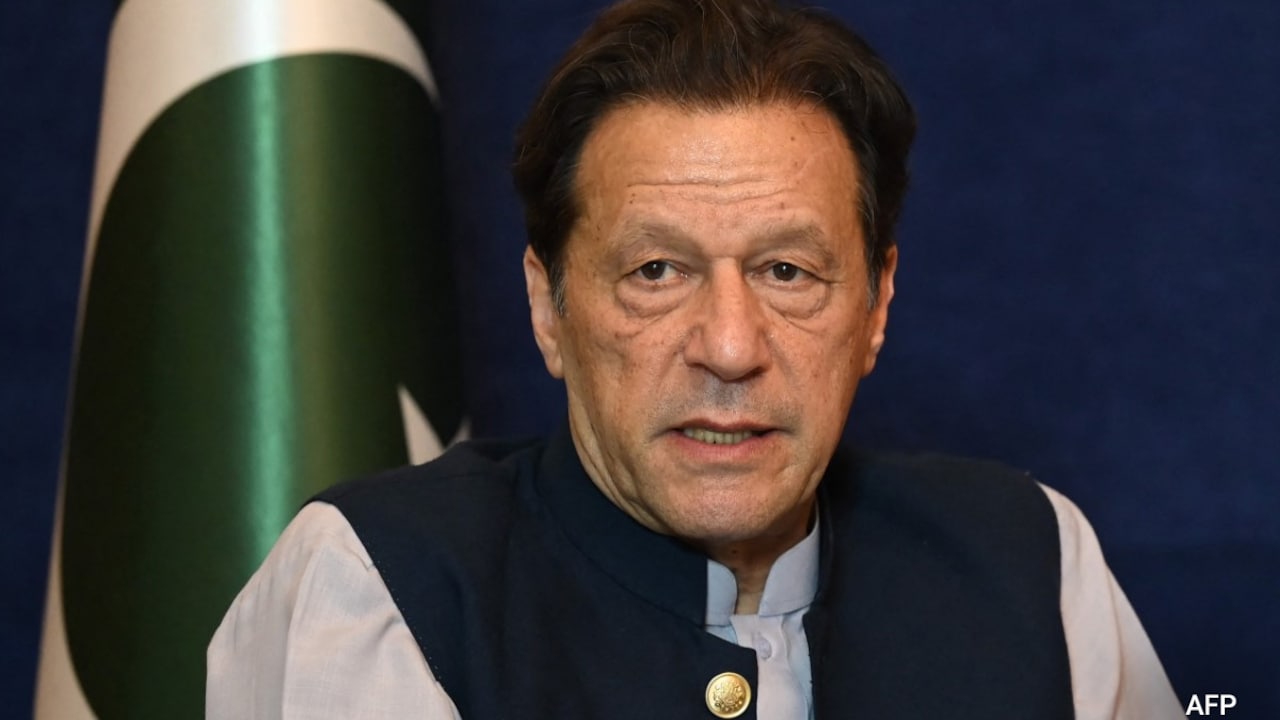
Being locked away changes a person. We often talk about the political fallout of Imran Khan’s imprisonment, but the human cost remains obscured behind prison walls. When his sister, Uzma Khan, spoke out following a recent hospital visit, she shed light on a reality many supporters suspected but few could verify. Solitary confinement isn't just about missing freedom. It’s a physical and psychological weight that actively erodes health.
Khan’s recent transfer to the Pakistan Institute of Medical Sciences (PIMS) for a medical evaluation didn’t just spark a legal disagreement between his family and the state. It brought the specific, grueling nature of his isolation into the public eye.
The cost of long term isolation
Human beings are wired for connection. When you strip that away for months on end, the body reacts. While the government maintains he is "medically fit," those closest to him tell a different story. Uzma Khan’s account suggests that her brother is experiencing tangible health complications directly linked to his environment.
Isolation triggers a massive physiological stress response. It messes with sleep cycles, causes chronic anxiety, and can lead to muscle atrophy and vitamin deficiencies. If you’ve ever spent significant time in total isolation, you know the feeling of cognitive decline. You start losing your grip on time. You struggle to focus. It’s not just "feeling sad." It’s an systemic physical deterioration.
The hospital controversy
The Supreme Court directed authorities to take Khan to Shifa International Hospital. This wasn't a suggestion; it was an order. Instead, he ended up at a government-run facility. Whether this was a logistical choice or a deliberate power move remains a point of intense speculation.
His personal physician, Faisal Sultan, was left waiting at the private facility, effectively shut out of the process. This isn't just about hospital choice. It’s about trust. When a family is denied access to their preferred medical professional, they aren't going to believe an official statement that declares everything is fine. They are going to assume the worst.
Why the small details matter
We keep hearing about his eye health. Months ago, claims surfaced that he had lost significant vision in his right eye. The government denied it, claiming he was improving. Yet, when family members are kept in the dark or shuffled through bureaucratic maneuvers just to see him, they stop trusting the narrative.
When the state says he is "medically fit," they are looking at standard markers: blood pressure, heart rate, basic blood work. They aren't accounting for the long-term impact of being held in solitary confinement. They aren't measuring the mental torture of silence.
Moving beyond the headlines
If you want to understand the reality of high-profile incarceration in Pakistan, look at the process. Look at how the sister was moved, how the doctor was blocked, and how the court order was bypassed. That is where the story lives. The medical report is only half the picture. The other half is the complete lack of transparency surrounding his daily existence.
If there is one thing to take away from this, it’s that health in confinement is rarely just about medicine. It’s about agency. As long as Khan is denied the agency to see his own doctors or exist outside the shadow of his jailers, the concerns regarding his health won't disappear.
The public deserves more than a "fit" verdict from a government facility. They deserve an independent assessment that acknowledges the reality of the conditions he faces. Until then, the cycle of rumor, denial, and suspicion will continue to define his tenure in Adiala Jail.
Demand transparency. Push for independent medical verification. Realize that when someone is isolated, their health isn't just a private matter—it’s a matter of public concern. Stop accepting the surface-level reports. Start looking at the system that creates these health issues in the first place.