Smoke doesn’t just smell like woodsmoke when a fire this size moves in. It smells like chemicals, melted plastic, and total destruction.
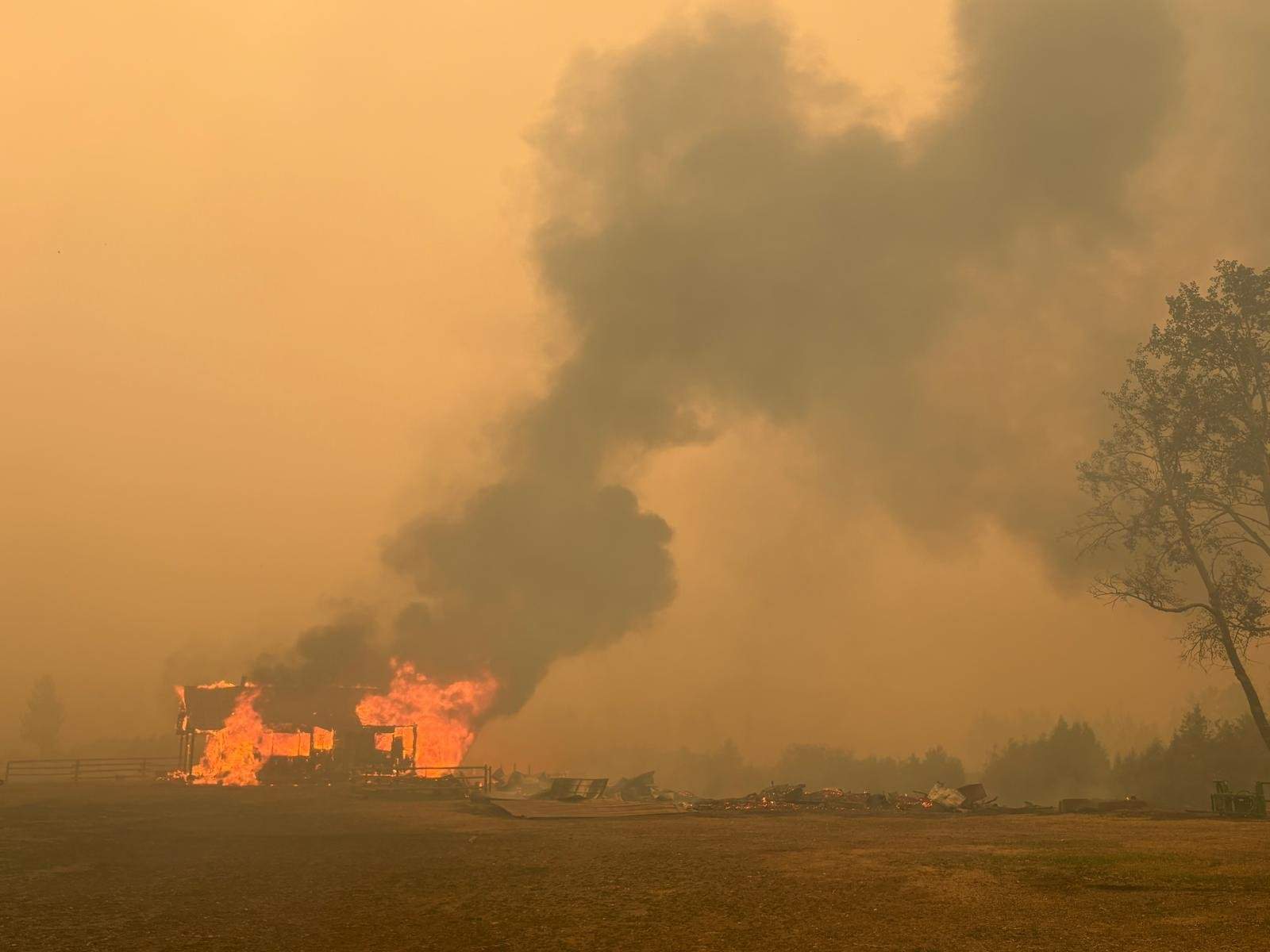
When the massive Pear Lake wildfire converged with the 57 Creek fire in the South Cariboo, it didn't just burn timber. It swallowed history. For Barb Edmonson, owner of the historic Firefly Ranch in Clinton dating back to 1896, the choice came down to staying behind or watching a lifetime of labor vanish from a distance. She stayed. And she watched eleven structures turn to ash anyway. Meanwhile, you can explore similar developments here: Why The Power Struggle Inside Iran Changes Everything Right Now.
Mega-fires burning past 1,150 square kilometres don't care about your attachment to a piece of land. They operate on physics, dry fuel, and localized weather vortexes that turn a afternoon into midnight.
Inside the Vortex of the Pear Lake Fire
Most people think staying behind during an evacuation order means grabbing a garden hose and wetting down the roof. Reality is much more violent. To explore the full picture, check out the recent report by The New York Times.
Edmonson described being caught right in the middle of a black ash and sand vortex. It felt like standing inside a hurricane. Grit blinds you. Air turns scarce. You have to physically rinse your face with a hose just to pull a breath of oxygen into your lungs.
When structural defense personnel dropped by days before the fire hit, resources were already stretched thin across the sprawling Big Bar Complex. They handed over a single portable pump, set up a few sprinklers on fence posts, and left. Shortly after, that final pump seized.
You are entirely on your own long before the flames actually arrive.
The Brutal Math of Rural Property Defense
Defending a property during a wildfire forces impossible split-second decisions. You look at a cluster of buildings and have to pick which ones get water and which ones get written off.
Edmonson managed to save her horse arena, and she had already evacuated her cattle and horses safely ahead of the chaos. But the losses hurt. Eleven structures fell, including the barn storing the entire year's hay crop alongside historic buildings that had stood for well over a century.
Official advice from emergency crews is always simple: leave because your life is worth more than property. But when you built that property with your own hands over decades, walking away feels like abandoning a family member.
The fire doesn't negotiate, and neither do the officials managing the evacuation lines. Yet rural property owners keep defying orders because the alternative—sitting in a hotel room miles away while your life burns on a news screen—is its own kind of torture.
The Road Ahead for Ravaged Ranches
Fires like Pear Lake leave behind long-term infrastructural wounds. Even if a home or a barn survives, the surrounding landscape is fundamentally broken. Fencing is melted or vaporized. Pastures are scorched black. Wells and local watersheds suffer contamination from heavy ash and debris, triggering strict boil-water advisories that last for weeks.
Livestock can't return until fences are rebuilt and forage is tested, meaning displacement stretches on long past the final smoke plume. Communities around Clinton face a grueling recovery process that requires massive financial and physical rebuilding efforts.
If you want to help property owners who lost everything in the Clinton area, local recovery funds and community-backed GoFundMe campaigns are currently the most direct way to support families trying to clear the ash and start over. Don't wait for wildfire season to hit your local headlines before checking your own emergency evacuation plan.