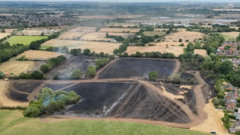
You see the footage on your screen every summer. Orange skies, towering walls of flame, and entire towns reduced to white ash. Then the news vans leave. The cameras turn to something else, and people forget. But for the earth itself, that is only the opening scene. How a scorched environment heals is messy, slow, and frequently misunderstood.
People assume a burned forest is a dead zone. It isn't. Nature has built-in mechanisms to bounce back from disaster, but human intervention often messes things up. If you want to understand ecosystem recovery after devastating fires, you have to look past the blackened tree trunks and examine what is happening beneath the soil.
The Immediate Aftermath
The first rainstorms after a major fire bring a new terror. Without root systems to anchor the dirt, heavy water turns hillsides into mudslides. Rivers choke on sediment. Aquatic life suffocates.
"High-intensity fires can damage land, cause erosion and prevent water absorption, all of which lead to loss of biodiversity."
Ecologists point out that the initial shock to the terrain dictates everything that follows. When heat bakes the earth too deeply, it creates a waxy, water-repellent layer called a hydrophobic seal. Rain slides right off it. Planting saplings into this kind of dirt is a waste of time and money. The soil has to reset first.
How Nature Heals Itself
Some plants actually need fire to survive. Cones on certain pine trees stay sealed shut with tough resin until intense heat melts them open, dropping seeds directly onto newly fertilized, ash-covered ground. Shrubs like California chaparral sprout new shoots from underground burls that survived the heat underground.
Animals react fast, too. Birds arrive days after the flames die down to feast on exposed insects. Wood-boring beetles find scorched timber within hours, guided by infrared sensors that detect heat from miles away.
Yet, modern fires burn hotter and larger than historical basements of nature can handle. When blazes sweep across the same acreage every few years instead of every few decades, plants run out of energy. Seeds in the soil bank get depleted. Instead of a forest returning, you get invasive weeds and brush that burn even faster next time.
What Actually Works for Restoration
Throwing massive amounts of money at a blanket tree-planting campaign usually fails. Botanists suggest targeted, smaller interventions instead of massive helicopter seed drops.
- Clear blocked waterways to stop immediate erosion.
- Leave fallen, burned logs on site to create micro-habitats for small mammals and retain moisture.
- Monitor for invasive species before native seeds get choked out.
- Control grazing pressure so young sprouts aren't eaten down to the dirt immediately.
If you own property in a fire-prone region, stop trying to clean up every stick of debris. Nature needs some of that chaotic organic matter to rebuild its foundation. We have to learn to step back and let the biological clock tick at its own pace.
Forest Regenerates After Devastating Yellowstone Fires
This video provides an on-the-ground look at how forests naturally regenerate and find new opportunities for life after massive fires.
http://googleusercontent.com/youtube_content/1