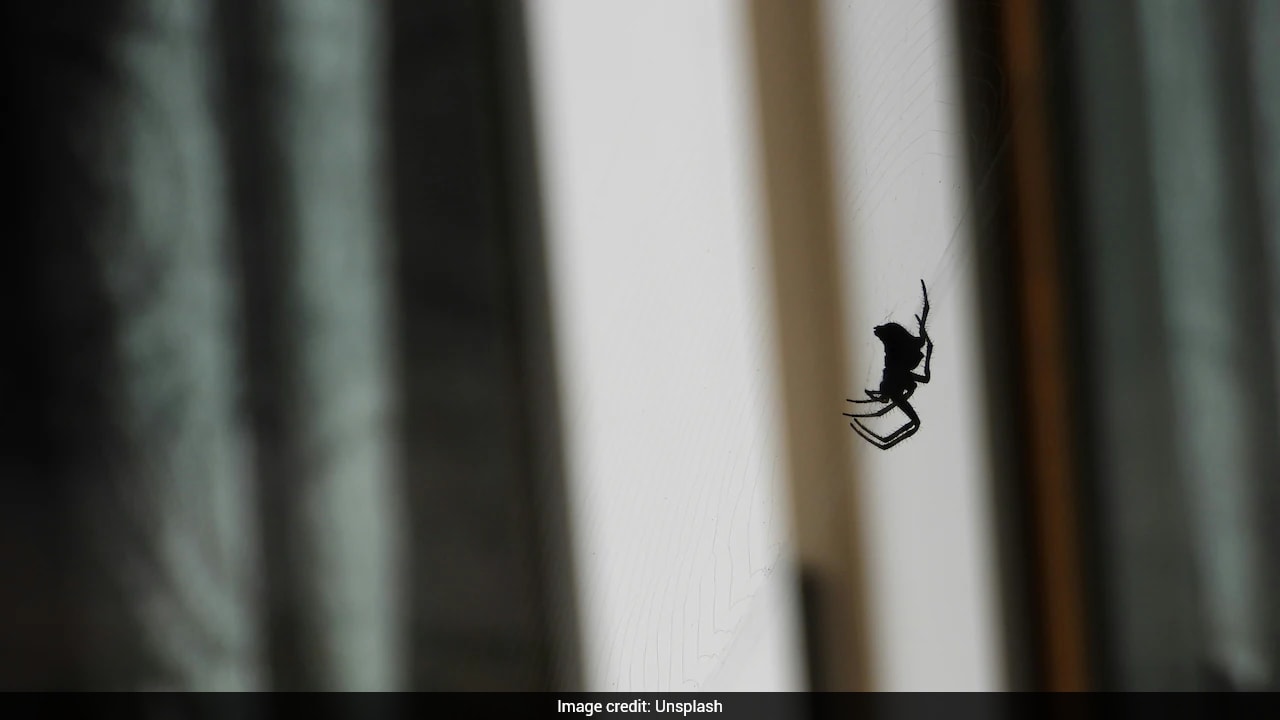
A small bug under a blanket usually doesn't look like a threat. You might swat it away, ignore the faint sting, and move on with your day. That is exactly what 73-year-old Glenn Priestley did while tending to his mother's loft in Blackpool, England. He felt a minor pinprick. He assumed it was just another harmless house spider hanging out in the shadows.
Twenty-four hours later, walking became a massive chore. Within days, his left leg ballooned to the size of a large watermelon, spanning roughly 15 inches in diameter. Hospital admission followed for 18 grueling days as medical teams battled a severe infection triggered by a noble false widow spider.
Stories like this tend to trigger instant panic. You start inspecting every dark corner of your house with a flashlight and a rolled-up magazine. But before you seal every window and declare war on local arachnids, let us look at what actually happens during these rare medical nightmares, why certain bites turn catastrophic, and how to spot the red flags before things get dangerous.
Understanding the Noble False Widow
People love to panic over the word "spider," especially when the phrase "false widow" enters the conversation. Often labeled Britain's most venomous spider, the noble false widow (Steatoda nobilis) is a distant cousin of the notorious black widow. They arrived in the UK decades ago from Madeira and the Canary Islands, hitching rides in imported fruit and cargo. Today, they are permanent residents across parts of Europe and expanding into other regions.
The key thing to remember is that these creatures are not hunting humans. They bite defensively. If you roll over on one, trap it against your skin under a blanket, or disturb its web while clearing out a dusty loft, it reacts the way any cornered animal would.
Most bites from house spiders result in nothing worse than a mild, itchy red bump that fades by lunchtime. So why did Priestley end up hospitalized with an 18-day stay and pain he rated a nine out of ten?
The Real Culprit Is Secondary Infection
Venom gets all the media attention, but venom is rarely the sole reason a spider bite turns into a medical emergency. Human skin carries millions of bacteria, including staphylococcus and streptococcus strains, sitting quietly on the surface.
When a spider's chelicerae puncture the skin, those tiny fangs act like dirty needles. They can push surface bacteria deep into the tissue. Alternatively, scratching an itchy bite with unwashed hands introduces harmful microbes directly into the broken barrier.
Once bacteria get past the skin barrier, things escalate fast. What starts as a mild neurotoxic or necrotic reaction from venom quickly morphs into cellulitis or a deep tissue bacterial infection. Blood tests reveal skyrocketing infection markers, MRI scans show extensive fluid buildup, and limbs swell up until they resemble tropical fruit.
Priestley described how his leg shifted colors over a couple of weeks. It turned rosy red on the sixteenth, seventeenth, and eighteenth days, grew gorier by the twenty-fifth, and finally started withering by the twenty-eighth. That timeline points straight to severe localized inflammation and immune response, rather than simple venom action alone.
Spotting the Danger Signs Early
You cannot prevent every accidental brush with an arachnid. Garments left on the floor, old boxes in the garage, and undisturbed bedding make ideal hiding spots. But you can control how you react when something bites you.
Most minor bug bites clear up on their own with basic first aid. Wash the area with soap and water, slap an ice pack on it to keep the swelling down, and take an over-the-counter antihistamine if the itching drives you crazy.
You need to drop everything and head to urgent care or an emergency room if you notice specific warning signs:
- Rapidly spreading redness or deep purple discoloration that marches up your limb.
- Severe, throbbing pain that keeps getting worse instead of better after 24 hours.
- Blisters filled with dark fluid forming around the puncture site.
- Chills, fevers, or whole-body aches that feel like a nasty case of the flu.
- Swelling that makes your entire limb look bloated, tight, and shiny.
Doctors dealing with these cases usually run blood panels, order imaging like X-rays, MRIs, or CT scans to rule out deep tissue damage, and pump patients full of intravenous antibiotics.
Practical Steps to Keep Your Home Safe
Living in fear of eight-legged intruders is exhausting and pointless. Instead, adopt a few defensive habits that drastically lower your odds of an unpleasant encounter.
Shake out shoes that have been sitting in the mudroom or garage before sliding your bare feet inside them. Wear heavy-duty gardening gloves when moving piles of firewood, shifting bricks, or cleaning out long-neglected attics and basements. Keep storage areas relatively tidy and vacuum corners where webs love to anchor.
If you do spot a spider inside your living space, catch it in a glass and release it outside, or use a targeted spray if necessary. Don't go punching dark corners with your bare hands.
Respect the tiny creatures sharing your space, keep your skin covered during deep-cleaning projects, and never ignore a bite that starts screaming at you with severe pain and rapid swelling.