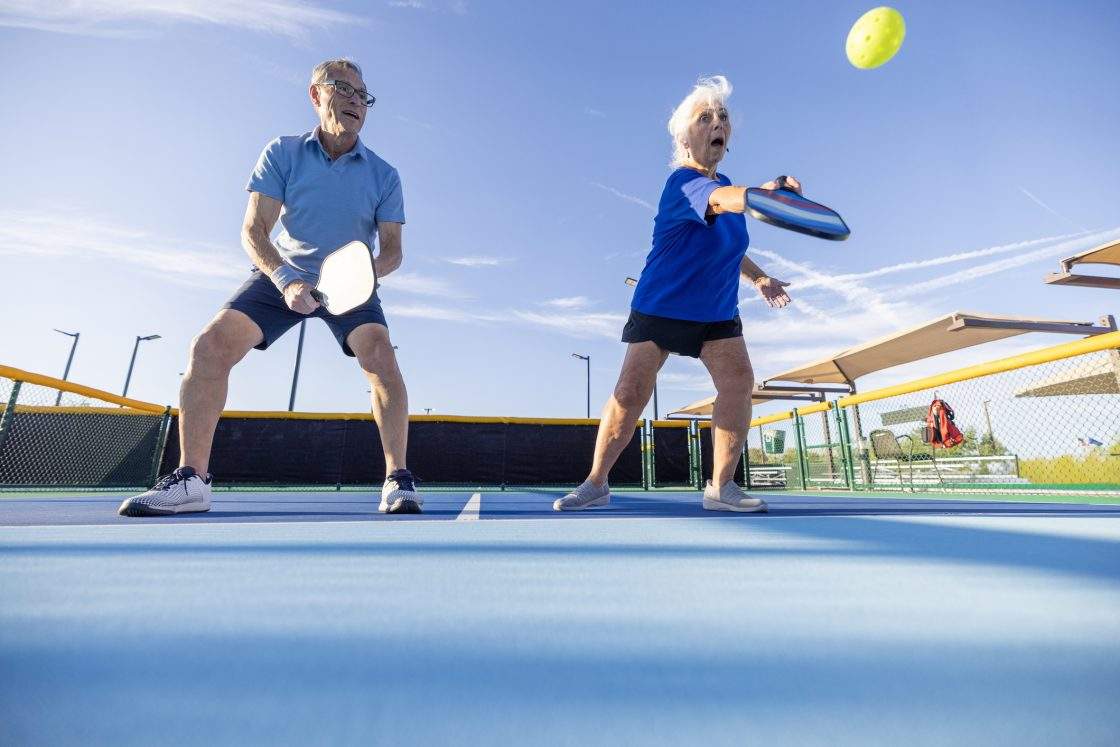
One hard drive off a composite paddle can turn a casual afternoon at the park into a trip to the eye clinic.
Pickleball is booming everywhere, and eye doctors are seeing more players walk in with bruised corneas, swollen irises, torn retinas, and lasting vision trouble. Most players brush off the risk because the ball looks harmless and feels light in your hand. That assumption falls apart the moment a ball hits your face at close range on a crowded doubles court.
Why Pickleball Eye Injuries Are Climbing Fast
Emergency room data and ophthalmology reports point in the same direction. As millions more people pick up a paddle, eye injuries tied to the sport have climbed sharply.
One analysis of U.S. emergency department visits found an estimated 6,015 pickleball-related eye injuries between 2010 and 2023, with estimated annual cases jumping from 1,335 in 2022 to 1,842 in 2023. Another study in JAMA Ophthalmology reported an estimated increase of 405 ocular injuries per year from 2021 through 2024 as participation surged.
Most trips to the emergency room involve surface or front-of-the-eye problems like corneal abrasions and traumatic iritis, and most patients get sent home the same day. Still, "mostly minor" does not mean harmless. Doctors have documented far more serious damage, including retinal tears, retinal detachment, traumatic lens dislocation, orbital fractures, and secondary glaucoma triggered by blunt trauma.
Honestly, court geometry makes eye hits easy to understand once you stand at the kitchen line. Four people stand inside a tight space, paddles snap fast at chest and head height, and reflexes sometimes lag behind a hard volley. Unlike squash or racquetball, pickleball has no widespread culture or rulebook mandate requiring impact-rated eye gear.
Why Older Players Face Higher Stakes
Anyone can get hit by a stray ball or a swinging paddle. Older adults tend to bear the brunt of emergency visits and severe complications.
In the U.S. emergency department analysis spanning 2010 to 2023, the average patient age was nearly 60, and adults in their sixties and seventies accounted for the largest share of estimated injuries. Even though younger players have joined the sport in huge numbers, older eyes carry natural age-related changes in the vitreous gel and internal structures that can make blunt impact riskier.
Case reports in medical journals also show how a single blow can snowball. Doctors have described players suffering immediate pain, blurry vision, and light sensitivity after an unguarded hit, only to face weeks or months of follow-up care for internal eye pressure spikes, lens shifts, or retinal tears.
Common Myths Players Still Believe on Court
I hear the same excuses every week at rec courts. A few of them sound logical until you test them against how impact forces actually work.
- Everyday glasses protect your eyes. Regular eyeglasses and fashion sunglasses are made for clarity or glare, not high-velocity ball impacts. A hard hit can push frames against your brow or nose or shatter standard lenses into sharp fragments.
- Soft dinks mean low risk. Soft play at the net feels chill, yet close quarters leave almost zero reaction time when someone speeds up a backhand or mis-hits a volley.
- Serious injuries only happen to pros. Recreational players get hit plenty—often because footwork is looser, paddle control is still developing, and everyone crowds the non-volley zone.
- If vision clears up the next day, you're in the clear. Some post-trauma problems—including elevated eye pressure or delayed retinal traction—can develop or worsen days or weeks after the initial hit.
What Actually Works for Pickleball Eye Protection
If you want real protection, look for sports eyewear built for impact rather than basic sun or fashion frames. Eye health groups like the American Academy of Ophthalmology recommend impact-resistant polycarbonate lenses or sports goggles designed for court play.
Impact standards matter here. Sports eyewear standards such as ASTM F803 and ASTM F3164-24 test frames and lenses against sport-specific impact forces, and polycarbonate is widely favored because it resists shattering while staying lightweight.
Fit matters just as much as lens material. Glasses that fog up in humid gyms or slide down your nose on every lunge end up sitting in your bag. Look for secure temple grips, comfortable nose pads, ventilation that curbs fogging, and tints that fit your lighting—clear or light contrast tints for indoor courts, and non-shattering sun or photochromic options outdoors.
Some players also try open, lens-free shields to avoid fogging. Those can be a practical step if you refuse to wear traditional goggles, though full protective lenses or goggles offer broader coverage against stray balls and angled deflections. If you wear prescription lenses, ask an optometrist about impact-rated prescription sports eyewear or dedicated sports inserts instead of playing in everyday glasses.
Practical Next Steps Before Your Next Game
You do not need to quit playing to protect your eyesight. A few simple habits cut your risk right away:
- Get fitted for impact-rated sports eyewear. Talk to an optometrist or check impact ratings before buying court glasses, especially if you wear prescription lenses.
- Keep your paddle up and your eyes tracked. Stay alert during fast kitchen exchanges and avoid turning your head away blindly when a hard drive comes cross-court.
- Never ignore warning signs after a hit. Seek prompt medical or eye-care evaluation if you experience severe eye pain, lasting blurriness, flashes of light, a shower of new floaters, or a dark shadow in your vision after getting struck.