A massive 7.4-magnitude earthquake struck western Colombia, killing at least 111 people and instantly thrusting the newly sworn-in government into an unprecedented crisis.
The geological service confirmed it as the strongest earthquake recorded in the country this century. Ground zero was near San José del Palmar in the remote, jungle-heavy Chocó region, but the devastation stretched far across the coffee-growing mountains and major urban centers like Cali and Pereira. Expanding on this topic, you can also read: Why Australia And Vietnam Are Quietly Teaming Up On Defence.
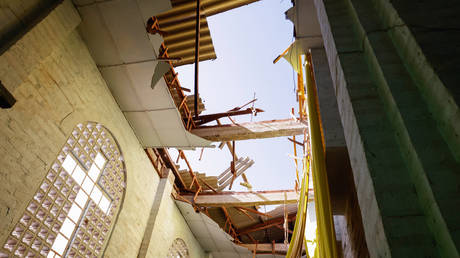
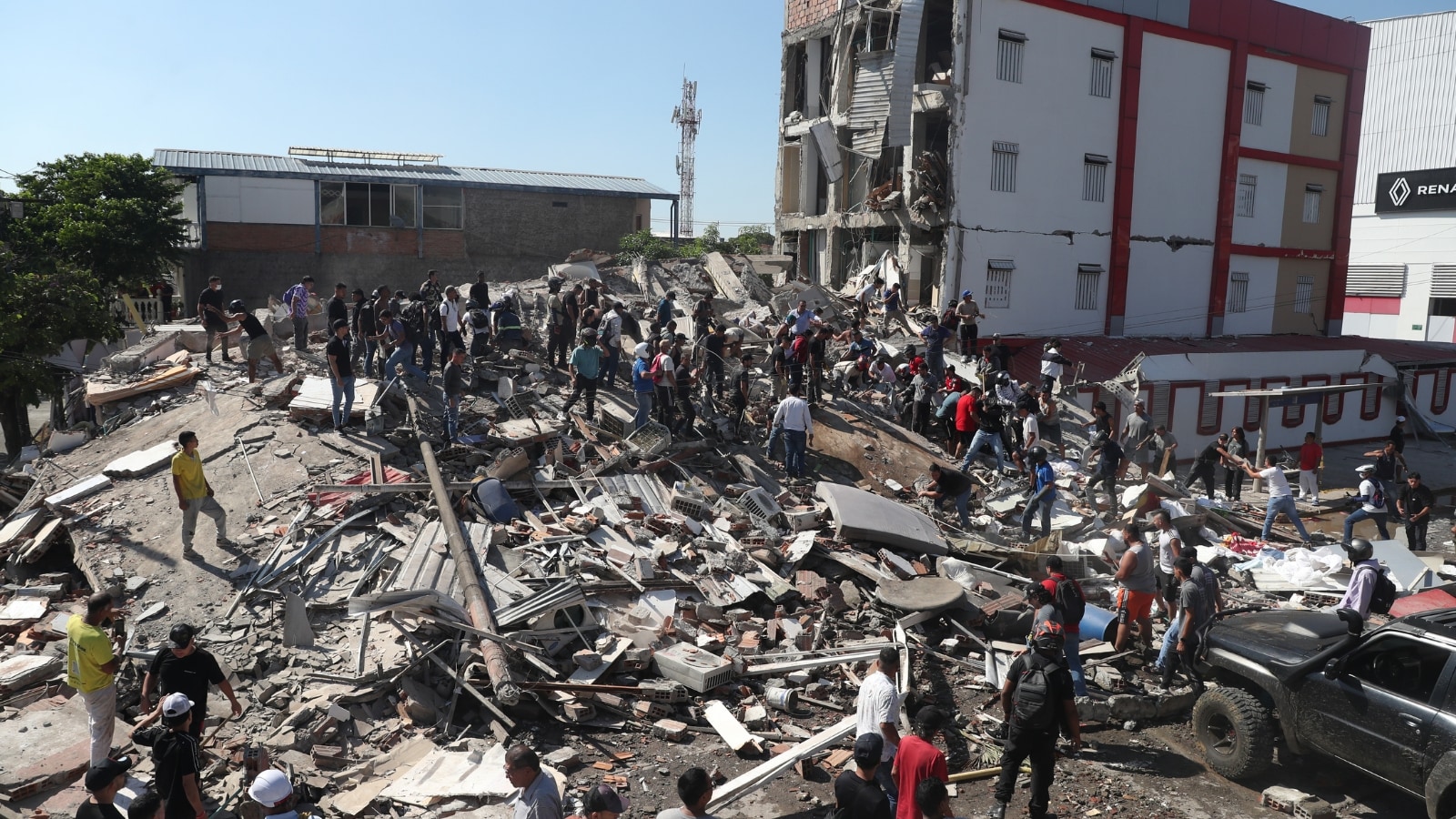
Buildings folded. Hospitals scrambled. Residents ran into streets choked with thick dust.
A Trial by Fire for the New Administration
President Abelardo de la Espriella took office just days prior. He found himself dealing with a national state of emergency before his administration could even settle in. Analysts at Associated Press have also weighed in on this situation.
He rushed to Quibdó and Cali, promising immediate rent subsidies for the homeless and deploying 1,000 extra security personnel to curb threats of looting. Curfews were slapped on cities like Cali, Armenia, and Manizales as night fell over the shattered infrastructure.
Initial casualty counts vary by region, but the human toll is heavy. Risaralda suffered immense damage, where Pereira's mayor reported catastrophic structural collapses. In Manizales, a tower of the historic neo-Gothic cathedral gave way, crashing directly onto the nave.
Why This Quake Packs Such a Punch
Colombia sits right along the volatile Pacific Ring of Fire, experiencing thousands of minor tremors annually. But a 7.4 magnitude event at an inland depth of roughly 107 kilometers behaves differently.
Seismologists point out that while deep earthquakes usually dissipate energy harmlessly, this one hit hard enough to shake valleys, crack facades, and collapse multi-story buildings across multiple departments.
To make matters worse, Chocó is among the poorest regions in the country. Much of it is accessible only by boat or plane, creating instant bottlenecks for emergency aid and communication blackouts that delayed accurate damage assessments.
The Immediate Aftermath and Next Steps
Rescue workers and ordinary citizens spent the night digging through concrete with bare hands and buckets, forming human chains to reach survivors trapped beneath the dust. Firefighters pulled trapped children and adults from pulverized structures in Cali, while civil aviation authorities grounded flights across western regional airports to inspect runways and control towers.
International support is mobilizing quickly. The United States pledged millions in emergency shelter and food aid, and neighboring countries offered rescue teams.
If you are tracking relief efforts or looking to support humanitarian corridors into Chocó and Risaralda, monitor updates directly through the Colombian National Unit for Disaster Risk Management (UNGRD) or verified international aid organizations operating on the ground.