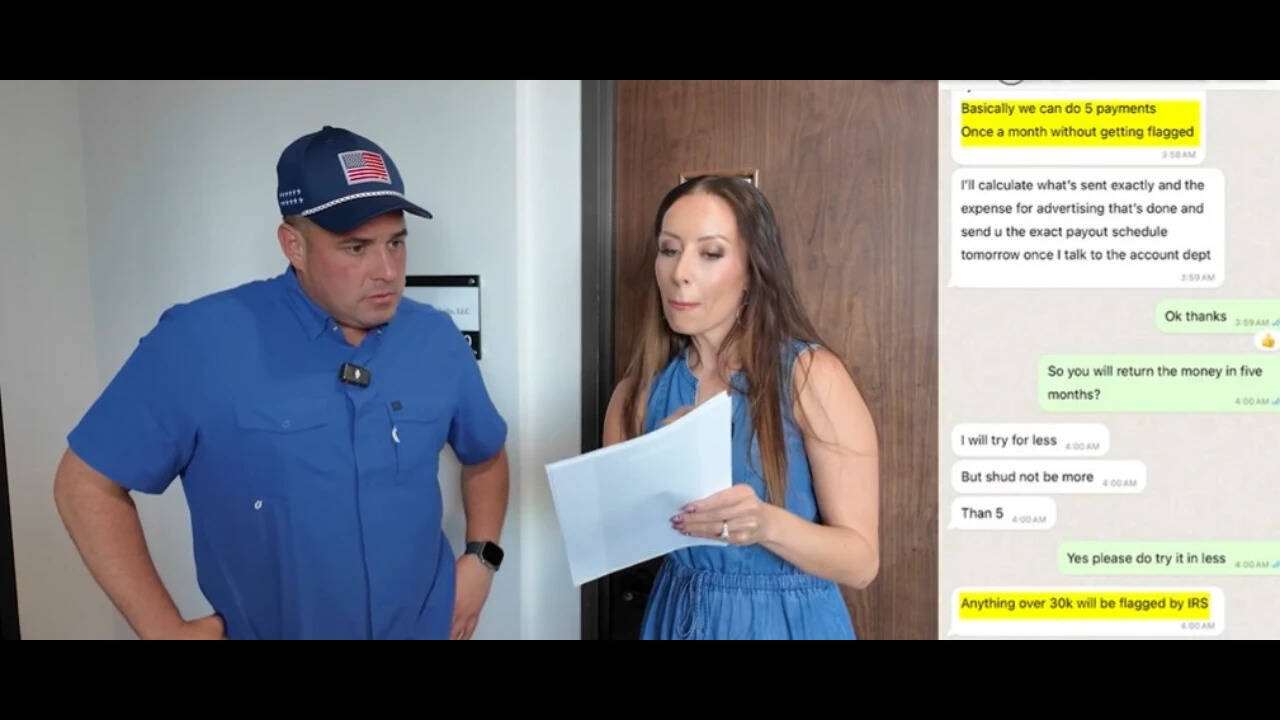
The H 1B visa program is supposed to bring the brightest minds to American shores. It’s meant for specialized roles, filling gaps where domestic talent falls short. Reality, however, often tells a uglier story. When high-level officials start knocking on doors to confront allegations of visa trafficking, you know the system is broken.
We aren’t talking about complex regulatory loopholes here. We’re talking about blatant, low-rent fraud. Recent headlines involving allegations against Mohammad Abbas in Texas show exactly how easy it is for bad actors to manipulate a system that’s supposed to be highly vetted.
How The Scam Actually Works
Fraudsters don’t need a sophisticated infrastructure. They need a registered address, a stack of forms, and a basic understanding of how to exploit administrative gaps. The playbook is depressingly simple. You establish multiple companies under one umbrella. You file H 1B petitions for roles that don't exist, or you charge desperate individuals a "fee" for sponsorship that never leads to a real job.
It's essentially selling a dream. Many victims are overseas, unfamiliar with US labor laws, and willing to pay whatever it takes to get that coveted American work visa. When the job doesn't materialize, the money is already gone.
What’s shocking is how long these entities can operate. They show up in the USCIS Employer Data Hub, they claim to be legitimate businesses, and some even secure government relief funds like PPP loans. It’s a shell game. By the time someone notices the red flags—like dozens of companies sharing a single office suite—the perpetrators have often moved on to the next venture.
Why The System Remains Vulnerable
You’ve probably asked yourself why authorities can't just catch these people sooner. The H 1B system relies heavily on self-reporting and administrative verification. While the Department of Labor and USCIS have protocols, they are overwhelmed by the sheer volume of applications.
When a company files a petition, the system checks for basic compliance. It doesn't always perform a deep dive into whether that office space actually houses fifty different firms or if the business model makes any sense. Fraudsters bank on this. They know the government is looking at the boxes being checked, not the person behind the desk.
Lessons For Real Applicants
If you’re applying for an H 1B, you need to be your own investigator. Don't just trust the company that promises you a path to a Green Card.
- Verify the Employer: Use the USCIS H 1B Employer Data Hub. Check if they are actually hiring people with similar job titles. If a company claims to be a tech giant but has only sponsored two people in five years, proceed with extreme caution.
- Follow the Money: If a company asks you to pay for your own visa sponsorship fees, stop. That is a major red flag. Legitimate employers pay these costs.
- Research the Office: Use Google Maps or corporate registration databases. Does the office address look like a functioning headquarters or a mailbox service?
The Regulatory Crackdown
The recent focus from Trump officials and labor inspectors on these types of on-the-ground investigations is a direct response to this mess. It isn’t just about catching one individual. It’s about signaling that the era of easy, unvetted applications is ending.
If you’re a legitimate business, these crackdowns can be annoying, but they’re necessary. Fraud hurts everyone. It ruins the reputation of the H 1B program, steals spots from qualified candidates, and creates an environment where honest companies have to fight harder to prove their worth.
If you believe you’ve been caught in a scam, don’t sit on it. Federal agencies like the Department of Labor actually have protections for whistleblowers. Reporting isn't just about justice for yourself; it’s about stopping the next victim from getting defrauded.
Don’t expect the government to fix this overnight. For now, skepticism is your best tool. If a deal looks too easy, it’s not just wrong—it’s probably illegal. Take the time to vet everything. Your career depends on it.