The Middle East just hit a breaking point that standard diplomatic talk can't fix. When the Gulf Cooperation Council (GCC) explicitly labeled recent Iranian missile and drone strikes as war crimes, they weren't just venting frustration. They fundamentally shifted the geopolitical rules.
For years, the oil-rich states of the Arabian Peninsula played a delicate balancing act with Tehran. They signed deals, restored ties, and tried to avoid a direct regional conflagration. That era is officially dead. The statement by GCC Secretary General Jasem Mohamed Albudaiwi targeting Iran over civilian infrastructure hits reveals a deeper, more terrifying reality: the regional security umbrella has completely collapsed.
If you think this is just another regular shouting match in the region, you're missing the bigger picture.
The Escalation No One Saw Coming
On Saturday, July 18, 2026, Albudaiwi threw out the usual diplomatic script. He didn't just call for restraint. He didn't just express deep concern. He looked directly at the drone and ballistic missile strikes hitting Bahrain, Kuwait, and Jordan and called them what they are under international law: war crimes.
Let's look at the numbers. Iran fired dozens of projectiles across the region. Kuwait reported intercepting a ballistic missile, five cruise missiles, and 33 drones that were explicitly tracking toward civilian zones. Bahrain saw strikes aimed near its air bases and maritime facilities. These aren't accidental overshoots. They are deliberate, targeted strikes designed to prove that nobody is safe.
Iran claims these actions are part of its broader military retaliations against western and Israeli positions. But the GCC statement cuts through that narrative. When you target a drone vessel depot, civilian airspaces, and basic municipal infrastructure, you stop executing a military campaign. You start terrorizing a civilian population. That's the core of the war crimes accusation.
Breaking Down the GCC Targets
The specifics of the attacks show how wide the net was cast:
- Kuwait: Ballistic and cruise missile salvos forced air defense systems into overdrive near civilian facilities.
- Bahrain: Drone infrastructure and maritime logistical hubs came under direct fire.
- Jordan: Air bases used for regional tracking and interception were targeted by long-range waves.
Why the Word War Crimes Is a Shift
Diplomats love vague words. They use phrases like "unfortunate escalation" or "unacceptable behavior" because those terms leave room to negotiate later. When the GCC explicitly cites the United Nations Charter and demands international accountability and prosecution, they are burning the bridge. You don't sit down at a routine diplomatic summit with a neighbor you just accused of violating the Geneva Conventions.
This tells us that the internal consensus among the Gulf monarchies has unified. Historically, countries like Oman and Qatar preferred quiet backchannel mediation with Tehran. They wanted to de-escalate rather than point fingers. But when military hardware starts exploding near your own borders, the luxury of playing the neutral mediator vanishes.
The immediate result is a complete hardening of the Arab coalition. Iran wanted to isolate Western forces by scaring its neighbors into neutrality. Instead, it managed to push the entire Gulf bloc into a defensive posture that leaves no room for gray areas.
The Broken Promise of the Security Shield
Let's talk about the uncomfortable truth that Western defense analysts don't want to admit. The Gulf states spent billions of dollars building their defense frameworks. They bought Patriot systems, modern radar networks, and advanced interceptors. They basically paid what amounts to a massive protection fee to secure a reliable defense shield.
The latest strikes proved that shields can be overwhelmed.
Yes, Kuwaiti and Qatari forces intercepted a significant portion of the incoming waves. But some projectiles still get through. When a drone manages to strike close to vital logistics hubs or injure local personnel, the illusion of total safety shatters. The social media lifestyle destinations and tech hubs built on the promise of infinite petrodollar stability suddenly feel incredibly vulnerable.
The Strategy Behind Tehran's Waves
Iran isn't trying to win a traditional symmetric war. They know they can't match the combined conventional air power of the West and the Gulf. Their entire doctrine relies on saturation. They send incredibly cheap, mass-produced drones alongside high-speed ballistic missiles. They want to exhaust the expensive interceptor stockpiles of their adversaries. It is an economic war of attrition played out in the skies.
The Strategic Fallout for Global Oil and Shipping
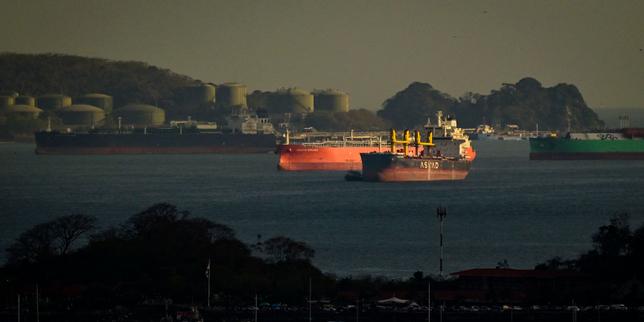
This isn't just a regional headache. It directly affects the wallet of every person on the planet. The Strait of Hormuz is the literal throat of the global energy supply. One-fifth of the world's petroleum flows through this narrow strip of water.
When Iran targets tankers and hits maritime infrastructure in Bahrain and Kuwait, shipping insurance rates explode. Captains refuse to sail. The United States military has had to re-impose naval blockades and launch preemptive strikes just to keep the commercial lanes functioning.
If you think a conflict in the Middle East won't impact your daily life, look at the supply chain. A prolonged disruption in the Strait of Hormuz immediately translates to higher manufacturing costs, spiked fuel prices, and sudden inflation worldwide. The Gulf council's outcry is an alarm bell for the international community to step in before the global economy takes a direct hit.
What Happens Next
The diplomatic playbook is exhausted. The GCC is now actively pushing for formal international tracking of these strikes to build a legal case at the UN. Don't expect immediate indictments, but do expect a massive shift in how these nations build their military alliances moving forward.
Here are the concrete steps that will redefine the region over the coming months.
Realignment of Defense Purchases
The reliance on standalone missile batteries isn't working perfectly anymore. Gulf states will rapidly pivot toward offensive drone capabilities, electronic warfare saturation, and joint regional tracking networks that bridge gaps between individual nations.
The Death of Regional Integration
The grand visions of economic cooperation linking the entire Middle East, including Iran, are dead for the foreseeable future. Expect tightened border security, intense scrutiny on maritime traffic, and a complete freeze on diplomatic overtures.
Direct Confrontation Pressures
With the United States re-engaging in naval blockades and launching retaliatory strikes, the risk of a miscalculation is at an all-time high. The GCC's war crimes declaration gives legal and political cover for even harsher military responses against Iranian launch sites.
The line in the sand has been redrawn, and this time, it is written in the formal language of international law.