The Arctic is heating up, and the diplomatic ice between Washington, Nuuk, and Copenhagen has finally cracked. When Greenlandic Prime Minister Jens-Frederik Nielsen and Danish Prime Minister Mette Frederiksen stood alongside U.S. President Donald Trump at the United Nations General Assembly to ink a brand-new defense agreement, they avoided a full-blown geopolitical crisis. Months of tension over whether the U.S. would attempt an outright takeover of the world's largest island gave way to a trilateral pact. Back home in Greenland, the delegation received a warm reception. Local politicians and diplomats walked away with a deal that secures vital national red lines while granting the American military wider access to the icy strategic frontier.
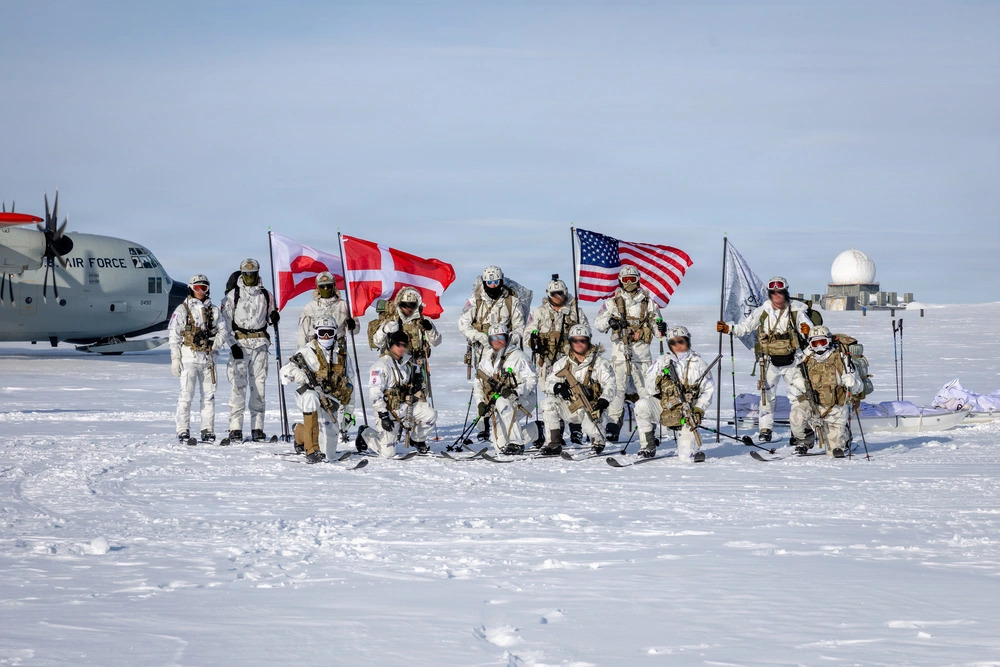
If you are wondering why anyone cares about a frozen landmass with a population of just 57,000, look at a globe. Greenland sits squarely on the shortest ballistic missile route between North America and Russia, making it an indispensable piece of the puzzle for modern defense architectures like the proposed "Golden Dome" missile shield. Years of mounting friction regarding Chinese and Russian ambitions in the high north pushed the White House to demand heavy control. Instead of caving to an outright territorial annexation or severing ties with long-standing allies, the parties found a compromise. The accord amends the historical 1951 defense framework, allowing the U.S. to establish new defense areas at Narsarsuaq and Mestersvig while expanding operations at the existing Pituffik Space Base.
Negotiating this deal was no walk in the park. Greenlandic leaders spent months walking a tightrope between protecting their right to eventual self-determination and managing security demands from a superpower. The resulting text includes explicit guarantees: Greenland stays under Danish sovereignty for now, and any future path toward full independence comes with a mandatory commitment to remain inside the NATO alliance. Non-NATO nations are barred from setting up manned or unmanned military infrastructure on the island, cutting off potential foreign maneuvering over rare earth minerals and critical infrastructure.
Critics and local citizens still harbor valid concerns about what an expanded foreign military footprint means for daily life. Yet, officials from all three governments insist the arrangement is a win-win-win scenario. By locking down the northern frontier under a collective NATO umbrella, the agreement eases the anxieties that left many residents worried about sudden geopolitical moves.
Review the details of the pact if you want to understand where Arctic defense spending flows next. Keep an eye on local parliamentary approvals in Nuuk and Copenhagen, as both legislatures must formally ratify the terms. Watch how contracts for base maintenance are awarded locally to gauge the economic impact on Greenlandic communities. Take time to track developments on foreign investment restrictions in sensitive high-latitude sectors.